
When preparing fragile items for shipping, storage, or relocation in Singapore, selecting a reliable bubble wrap brand requires looking beyond basic brand names. The protective capability of a bubble wrapper depends on measurable physical specifications—such as bubble diameter, film thickness, and polymer composition—rather than marketing claims. Because fragile items vary widely in weight, shape, and surface sensitivity, a single type of bubble wrap cannot provide universal protection. By understanding how to evaluate these technical properties and matching them to your specific items, you can ensure your goods survive transit intact, whether you are running an e-commerce business or packing household valuables.
Key Physical Properties to Evaluate in Bubble Wrap Brands
To make an informed decision when comparing packaging brands, you must first understand the physical properties that dictate a bubble wrapper’s performance. The most visible differentiator is bubble size. Standard bubble wrap typically comes in two primary sizes: small bubbles (usually 10 millimeters in diameter and 3 to 4 millimeters in height) and large bubbles (usually 25 to 30 millimeters in diameter and 10 to 12 millimeters in height). Small bubbles are designed primarily for surface protection, wrapping tight contours, and preventing scratches on delicate items. Large bubbles, containing a much greater volume of air, provide superior shock absorption and are ideal for filling large voids or cushioning heavier objects against severe impacts.
Beyond bubble size, the material thickness and layer count of the plastic film significantly influence its durability. Film thickness is measured in microns (µm). Standard retail-grade bubble wraps often feature thin films ranging from 30 to 40 microns, which are highly susceptible to puncturing and premature deflation. In contrast, heavy-duty industrial brands offer thicknesses of 50 to 80 microns or more, providing substantially higher puncture resistance. Furthermore, the structural design of the film matters. Single-layer bubble wrap consists of a flat backing sheet heat-sealed to a molded bubble sheet. While cost-effective, these bubbles tend to lose air quickly under static loads. Multi-layer, co-extruded bubble wraps incorporate an internal barrier layer—often made of nylon or a specialized polymer blend—sandwiched between layers of low-density polyethylene (LDPE). This barrier membrane dramatically reduces air migration, ensuring the bubbles remain fully inflated even during prolonged storage or long-distance shipping.
Products mentioned in this guide
![[SG] Bubble Wrap® 10m | Foam Roll 5m | Packing Tapes – Cushioning for Packing Moving Warehouse Use](https://img.lazcdn.com/g/p/5d1b2367f552267faa5f9fe7d51ee653.jpg_400x400q80.jpg_.webp)
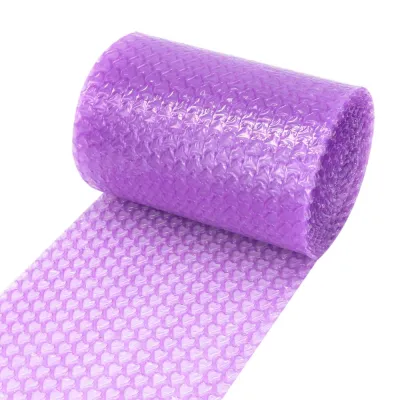
Prices are valid at publication and may change. Please refer to the product page for the latest price.
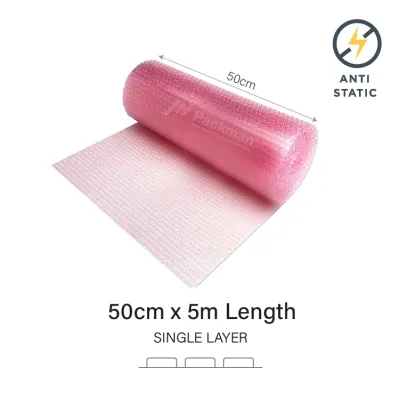
Specialized material formulations are also critical for specific applications. For instance, standard plastic films easily generate static electricity through friction during handling. To protect sensitive electronic components, reputable packaging brands manufacture anti-static bubble wrap, which is typically color-coded pink. This material contains topical additives that prevent the buildup of electrostatic charges, safeguarding delicate circuits, graphics cards, and microchips from electrostatic discharge (ESD) damage.
Matching Bubble Wrap Profiles to Specific Fragile Items
Selecting the right bubble wrapper profile requires a careful assessment of the item’s weight, fragility, and surface characteristics. Lightweight and highly fragile items, such as porcelain figurines, delicate glassware, and ceramic ornaments, have low mass but are highly vulnerable to high-frequency vibrations during transport. For these items, small, dense bubbles are highly effective. Wrapping the item in multiple layers of small bubble wrap ensures continuous, uniform contact across intricate shapes, distributing external forces evenly and preventing localized pressure points from causing fractures.

Heavier or bulky items, such as solid wood furniture parts, heavy electronics, metal sculptures, or mechanical components, present a different challenge. These items exert significant force when dropped or shifted inside a shipping container. Small bubbles will easily pop or bottom out under their weight, rendering the protection useless. For these applications, large bubble wrap or heavy-duty multi-layer wraps are essential. The larger air pockets provide a deeper deceleration zone, absorbing high-impact energy and preventing the heavy item from making direct contact with the outer walls of the corrugated box.
Surface-sensitive items require an additional layer of consideration. Highly polished wood, high-end glassware, optical lenses, and digital screens can easily be marred or scratched by friction against standard plastic films. Under pressure or temperature fluctuations, some low-quality plastics can even leave oily plasticizer residues on polished surfaces. To prevent this, look for bubble wraps featuring a soft-touch, non-abrasive inner lining, or wrap the item first in acid-free tissue paper or protective foam wrap before applying the bubble wrapper. This multi-material approach ensures both surface preservation and robust shock absorption.
How to Verify Packaging Brand Reliability and Standards
When specific brand reviews are unavailable, you can assess the reliability of a packaging supplier by evaluating their technical transparency and manufacturing standards. Reliable brands provide comprehensive technical data sheets rather than relying on vague marketing terms like “super strong” or “premium quality.” Look for suppliers that clearly state the micron thickness, bubble diameter, bubble height, tensile strength, and puncture resistance of their products. This level of detail allows you to verify that the material meets the physical requirements of your shipping operations.
Manufacturing consistency is another critical indicator of brand reliability. Inconsistent manufacturing often manifests as uneven bubble inflation, where some sections of the roll contain half-flat bubbles, or weak heat seals that pop under minimal pressure. You can verify batch-to-batch uniformity by performing a simple tactile inspection of a sample roll. Squeeze several bubbles across different sections of the roll; they should offer firm, consistent resistance and should not easily rupture at the seams. Additionally, check the winding tension of the roll; a properly manufactured roll should be wound tightly and evenly, without telescoping or crushing the inner bubbles.
Environmental responsibility is increasingly important, but it must be backed by verifiable standards. Many brands claim their bubble wrappers are “eco-friendly” or “biodegradable.” To verify these claims, look for recognized certifications and clear material labeling. True recyclable bubble wrap should be clearly marked with the LDPE 4 recycling symbol, indicating it can be processed at local soft plastic recycling collection points. If a brand claims compostability, verify that the material complies with international standards such as EN 13432 or ASTM D6400, which require the plastic to break down completely without leaving toxic residues. Avoid brands that make vague environmental claims without citing specific, verifiable certifications.
Sourcing and Purchasing Packaging Materials in Singapore
Sourcing packaging materials in Singapore requires balancing cost, convenience, and storage logistics. For businesses with high-volume shipping needs, sourcing directly from local industrial packaging distributors—often located in industrial hubs like Ubi, Kaki Bukit, Jurong, or Woodlands—is highly cost-effective. These distributors offer bulk wholesale pricing, consistent technical specifications, and the ability to purchase large rolls (such as 100-meter rolls) at a much lower cost per meter than retail outlets. For small-scale sellers or occasional shippers, general online marketplaces and local stationery shops offer convenient, small-quantity retail options, though the cost per meter is higher and technical specifications are often less detailed.
Singapore’s tropical climate, characterized by high humidity and ambient temperatures averaging around 30°C, introduces unique storage challenges. Prolonged exposure to heat and humidity can degrade the adhesive bonds in low-quality bubble wraps, make the plastic film sticky, or cause premature deflation in non-barrier films. If you purchase bubble wrapper rolls in bulk, it is essential to store them in a cool, dry, well-ventilated indoor space away from direct sunlight and moisture. Avoid storing rolls directly on concrete floors; instead, keep them on pallets or shelving to prevent moisture absorption from the ground.
Procurement costs must also factor in the physical volume of the material. Because bubble wrap is highly voluminous, shipping fees can escalate rapidly. Many logistics providers in Singapore calculate shipping costs based on volumetric weight rather than actual weight, which can make delivery expensive for individual large rolls. When comparing suppliers, calculate the total procurement cost, including delivery fees and minimum order quantities (MOQs). Many local industrial distributors offer free delivery for orders exceeding a specific threshold (for example, S$150 or S$200), making bulk purchasing highly advantageous if you have sufficient storage space.
Essential Packing Techniques to Maximize Protection
Even the highest-quality bubble wrapper cannot protect your items if applied incorrectly. The first rule of effective wrapping is the orientation of the bubbles. Always place the bubble wrap with the bubbles facing inward toward the item. This configuration allows the individual air pockets to cradle the item’s unique contours, distributing pressure evenly and absorbing shocks directly at the point of contact. The flat backing sheet should face outward, providing a smooth, puncture-resistant surface that makes it easier to slide the wrapped item into a box and prevents the bubbles from snagging on external edges.
Securing the bubble wrap requires the right choice of adhesive tape and application technique. Use high-quality packaging tape, such as acrylic or hot-melt adhesive tape, which adheres firmly to polyethylene films. Apply the tape only to the flat backing of the bubble wrap or to itself, ensuring it does not come into direct contact with fragile or polished surfaces where it might leave a sticky residue or damage the finish. When wrapping, pull the material snugly but avoid tensioning the tape so tightly that it compresses and pops the bubbles, as this permanently destroys the cushioning layer.
Finally, bubble wrap must be integrated into a complete packaging system. A wrapped item placed in an oversized box will slide around during transit, leading to high-impact collisions with the box walls. Choose a sturdy, double-walled corrugated box that leaves a consistent gap of approximately 5 centimeters on all sides of the wrapped item. Fill this remaining space completely with appropriate void fill, such as crumpled kraft paper, packing peanuts, or air pillows. Once packed, gently shake the box; if you feel or hear any movement inside, add more void fill until the item is completely immobilized.
Frequently Asked Questions (FAQ)
Can bubble wrap be safely reused for multiple shipping cycles?
Yes, bubble wrap can be reused, but only after a thorough inspection. Before reusing a bubble wrapper, perform a visual and tactile check. Squeeze the material to identify deflated zones, popped bubbles, or areas where the plastic has stretched and thinned. If more than 10% to 15% of the bubbles in a section are flat, that portion should be discarded or recycled. Additionally, be aware that anti-static bubble wrap loses its electrostatic-dissipative properties over time as the topical anti-static agents wear off or degrade. Do not reuse old pink bubble wrap to protect highly sensitive electronic components; instead, use fresh anti-static material for each shipment.
Is it necessary to use a bubble wrapper machine for small-scale packing?
For small-scale operations, home offices, or occasional shipping, a manual bubble wrapper roll is highly cost-effective and sufficient. A bubble wrapper machine, which inflates flat film on demand, is generally only justified when your packing volume exceeds dozens of packages per day. While on-demand inflation machines save significant storage space—since flat film rolls are extremely compact compared to pre-inflated rolls—they require a substantial upfront capital investment, regular maintenance, and dedicated workspace. For low-volume users, the simplicity and low cost of pre-inflated rolls outweigh the space-saving benefits of automated machinery.

Community discussion
Share your experience or ask a question. Comments are reviewed before publication.