
Replacing a broken zipper puller does not mean you have to discard a favorite jacket, backpack, or travel bag. A detachable zipper puller offers a quick, tool-free solution to restore full functionality to your gear in seconds. To choose the right replacement, you must match the puller’s attachment mechanism to your existing slider, verify the physical dimensions of the slider’s loop, and select a material that suits your daily environment.
Identify Your Zipper Size and Slider Dimensions
Before purchasing a replacement puller, you must identify the size of your zipper to ensure a secure fit. Most zipper sliders have a size number stamped on the back or underside of the metal body. Common sizes range from #3 (typically found on delicate garments and inner pockets) to #5 (standard for jackets, hoodies, and everyday bags) and up to #8 or #10 (used on heavy-duty luggage, outdoor tents, and tactical backpacks). If the number is worn off or missing, you can determine the size by closing the zipper and measuring the width of the interlocking teeth in millimeters using a ruler or caliper; a 5 mm width corresponds to a #5 zipper.
Beyond the overall zipper size, you must measure the dimensions of the slider’s top loop, often called the crown or bridge. This is the small metal arch on the slider body where the original puller was attached. Use a precise measuring tool to check the inner diameter of this loop. The wire, clasp, or cord of your new detachable puller must be thin enough to pass through this opening freely. If the replacement attachment is too thick, it will jam and prevent the slider from tilting, which can lead to a stuck zipper or broken teeth. Conversely, an excessively thin attachment on a heavy-duty slider may rattle or slip out of alignment during use.
Products mentioned in this guide
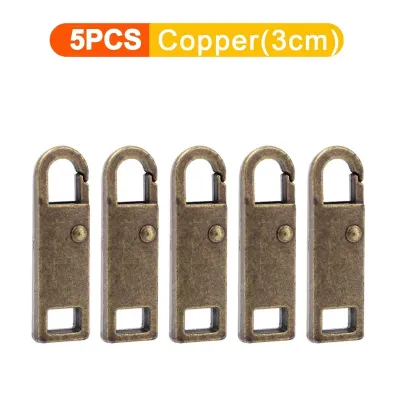
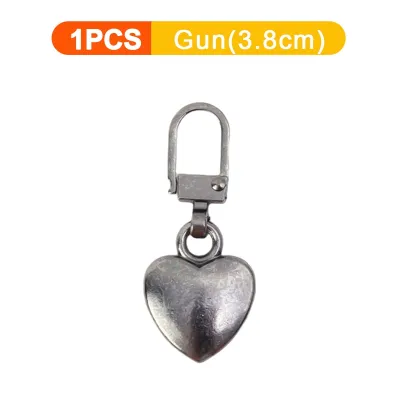
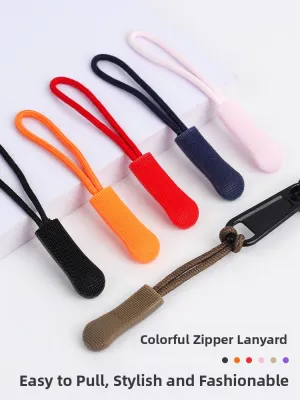
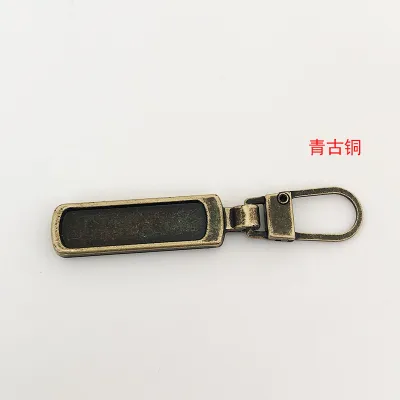
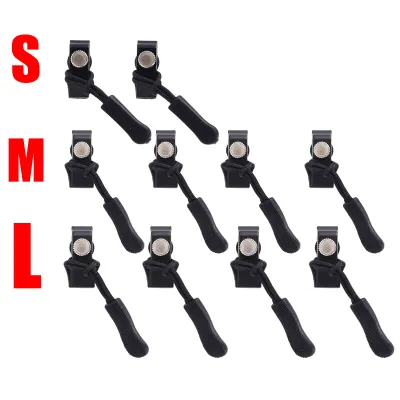
Prices are valid at publication and may change. Please refer to the product page for the latest price.
Select the Right Attachment Mechanism for Your Needs
Detachable zipper pullers utilize several distinct connection styles, each balancing ease of installation, security, and handling convenience. Lobster clasps and spring-loaded gates are highly popular for their quick, tool-free installation. You simply press the gate open, hook it through the slider’s crown, and let it snap shut. This style is highly secure and excellent for heavy backpacks, travel suitcases, and daily-use gear where you need a reliable connection that can still be swapped out easily if needed.

For outdoor gear, activewear, and winter jackets, cord loops and paracord ties offer a flexible, lightweight, and silent alternative. These pullers consist of a durable nylon or polyester cord threaded through a plastic or rubber tab. To install them, you feed the cord loop through the slider hole, pass the tab back through the loop, and pull it tight to form a girth hitch. Because they contain no metal-on-metal moving parts, cord pullers do not clink or rattle when you walk, and their flexible nature makes them highly resistant to snapping under sudden tension.
If you prefer a minimalist aesthetic that closely mimics the original hardware, direct clip-on metal tabs or rigid U-shaped pins are the ideal choice. These designs often feature a small metal wire or pin that snaps permanently or semi-permanently into a locking housing. Once installed, they sit flush against the slider body, minimizing bulk and preventing the puller from snagging on loose threads, pocket flaps, or surrounding fabrics. This makes them highly suitable for formal outerwear, handbags, and everyday apparel where a streamlined look is preferred.
Match Puller Materials to Your Item and Environment
The material of your replacement puller dictates its durability, tactile grip, and resistance to environmental wear. Metal alloys, such as zinc alloy, brass, or stainless steel, provide the highest structural strength and a premium aesthetic. They are the natural choice for leather jackets, canvas duffel bags, and heavy travel luggage that undergo frequent handling and physical stress. When selecting metal pullers in humid tropical climates like Singapore, look for options with anti-rust plating or electroplated finishes to prevent corrosion and tarnishing over time.
Silicone and rubber pullers excel in wet, cold, or highly active environments. These materials are naturally weather-resistant, waterproof, and provide an excellent non-slip grip, even when your hands are wet or when you are wearing gloves. They are commonly paired with rain jackets, windbreakers, sports bags, and outdoor gear. Additionally, because silicone and rubber are soft, they will not scratch the delicate finish of your bags or make noise when bouncing against other metal components.
Woven fabrics and paracord pullers offer a lightweight, rugged, and highly customizable option. They are exceptionally durable, snag-free, and can withstand significant pulling force without bending or breaking. Woven pullers are ideal for school backpacks, casual outerwear, and tactical gear. They can also be washed safely alongside the garment without risk of chipping, peeling, or damaging the washing machine drum.
Step-by-Step Installation and Glide Testing
Before attaching your new detachable zipper puller, take a moment to inspect and prepare the slider area. Use a small brush or a damp cloth to clean away any dirt, lint, or debris trapped inside the slider track or around the crown. Inspect the metal loop on the slider for any existing damage, such as hairline cracks, sharp burrs, or stretching. If the loop is bent open, you can use a pair of small needle-nose pliers to gently squeeze it back into shape before proceeding.
To install a clasp-style or spring-gate puller, press the lever to open the gate, slide the hook through the slider’s crown, and ensure the gate snaps completely closed. For cord-style pullers, pinch the end of the cord loop to flatten it, thread it through the slider opening, open the loop on the other side, insert the plastic tab through the loop, and pull firmly to secure the knot. If you are using a screw-lock or pin-style puller, align the replacement bar with the slider loop, insert the securing pin, and tighten the micro-screw using the appropriate tool, taking care not to over-tighten and strip the threads.
Once the puller is attached, perform a thorough glide test along the entire length of the zipper track. Slowly pull the slider up and down several times to verify smooth operation. Pay close attention to how the puller sits against the slider; it should pivot freely without binding or forcing the slider to tilt sideways. If you feel any sudden resistance, catching, or if the zipper teeth begin to split open behind the slider, stop immediately. This indicates that the puller attachment is either too thick for the crown or is restricting the slider’s natural angle of movement, requiring you to adjust the connection or select a more flexible puller style.
Frequently Asked Questions (FAQ)
Can I use a detachable puller on a waterproof or water-resistant zipper?
Yes, but you must exercise caution to avoid compromising the zipper’s protective seal. Waterproof and water-resistant zippers, such as those with polyurethane coatings or Aquaguard designs, feature tight tolerances and protective fabric flaps to keep moisture out. A bulky metal clasp or a thick puller attachment can rub against the waterproof coating, gradually wearing it away, or prevent the protective storm flaps from laying flat. For these specialized zippers, it is best to choose a thin, flexible cord loop puller. The soft cord easily threads through the slider without abrading the protective coating or interfering with the water-resistant barrier.
What should I do if the new puller keeps slipping off the slider?
If your replacement puller repeatedly detaches, first verify that the dimensions of the attachment mechanism match your slider’s crown. A clasp gate that is too thin or has a weak spring may easily slip out of a large slider loop under tension. Conversely, if the slider’s metal loop has stretched, widened, or suffered metal fatigue over time, it may have a gap that allows the puller to slide out. Inspect the slider loop closely; if it is bent or open, you can attempt to gently close the gap with pliers. However, if the metal is cracked or severely deformed, the slider itself must be replaced to ensure a secure and reliable connection.

Community discussion
Share your experience or ask a question. Comments are reviewed before publication.