
To choose the right crochet yarn bag, you must match the bag’s capacity and structural features to the scale of your yarn stash, the weight of the fibers you use, and your typical crafting environment. For a small active project, a compact PVC pouch or a lightweight tote is ideal. For a massive collection of bulky skeins, an ergonomic backpack or a rolling organizer is necessary to prevent shoulder strain and protect your investment. Let’s explore how to evaluate your stash and choose the perfect storage solution.
Assessing Your Yarn Stash: Capacity, Weights, and Usage Needs
Before browsing online marketplaces or visiting local craft shops, you must evaluate the actual volume of your yarn stash. A small active project stash typically consists of one to five skeins designated for a current work-in-progress, such as a scarf or a small amigurumi figure. An accumulated collection, on the other hand, can easily span dozens of skeins of varying dye lots, fiber contents, and brands. If you frequently purchase yarn without an immediate project in mind, your storage needs will lean heavily toward high-capacity, structured systems rather than simple, soft-sided pouches.
The physical format and weight of your yarn also dictate the type of storage container you require. Bulky and super-bulky yarns, such as chunky chenille or t-shirt yarn, occupy a massive amount of physical space and require wide, open compartments without restrictive dividers. Conversely, fine lace weights, fingering weight sock yarns, and standard 100g skeins of acrylic or cotton fit neatly into smaller, divided slots. If you prefer buying yarn in hanks rather than pre-wound cakes or skeins, you must also account for the space required to store them safely before they are wound, as loose hanks are highly susceptible to tangling if compressed too tightly.
Products mentioned in this guide
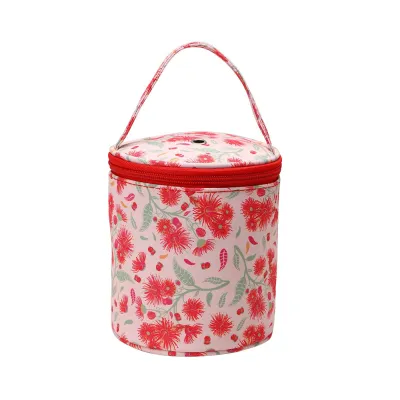
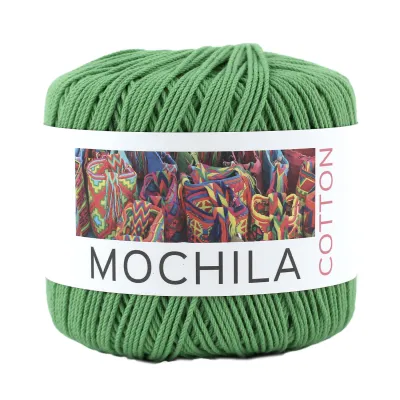
Prices are valid at publication and may change. Please refer to the product page for the latest price.
Your primary usage scenario is the final critical factor in your assessment. If your yarn bag is meant to serve as permanent home organization in a cozy HDB flat, your priorities will be dust protection, stackability, and aesthetic integration with your living space. However, if you regularly commute to local crochet circles, craft meetups, or work on your projects during long MRT rides, portability becomes your top priority. For mobile crafters, the bag must feature comfortable carrying straps, secure closures, and weather-resistant materials to withstand sudden tropical downpours and high outdoor humidity.
Recommended Crochet Yarn Bag Types by Collection Size
Selecting the right category of crochet yarn bag simplifies your crafting routine by ensuring your storage matches your physical output. Different bag architectures serve distinct purposes, ranging from casual daily transport to heavy-duty mobile organization.

Totes and Shoulder Bags for Small to Medium Stashes
Classic tote bags and shoulder-slung organizers are the traditional choice for casual crocheters who typically work on one or two medium-sized projects at a time. These bags are generally designed to accommodate 5 to 15 standard 100g skeins of yarn, along with a modest selection of essential tools. They often feature a wide-open main compartment that allows you to see all your yarn at a single glance, making it easy to swap colors as you work.
The primary advantage of a tote or shoulder bag is its lightweight design and rapid accessibility. You can quickly drop a skein into the bag, pull up the working yarn, and begin crocheting within seconds. Many modern knitting and crochet totes are styled to look like everyday handbags, allowing you to carry your projects discreetly to cafes, libraries, or community centers without drawing unwanted attention.
However, these bags do carry notable structural limitations. Because they lack rigid internal support panels, they tend to sag or collapse when loaded with heavy, dense yarns or when partially empty. This lack of structure can cause your yarn cakes to roll around and tangle. Additionally, carrying a heavily loaded shoulder bag over one shoulder for extended periods can cause significant ergonomic strain, making this style less suitable for transporting bulky blanket projects or large quantities of heavy cotton yarn.
Backpacks and Rolling Organizers for Large or Heavy Collections
For dedicated crocheters who manage multiple large-scale projects or transport heavy yarn weights over long distances, specialized backpacks and rolling organizers offer the ultimate storage solution. These high-capacity systems are engineered to hold 20 or more standard skeins, alongside extensive tool kits, pattern books, and even small tablets or laptops. They are the ideal choice for craft instructors, market vendors, or those who refuse to leave their entire stash behind when traveling.
The standout benefit of a crochet backpack is its superior ergonomic design. By distributing the weight of your yarn, hooks, and accessories evenly across both shoulders, a backpack minimizes muscle fatigue during long walks or commutes. For the absolute heaviest collections, rolling organizers with telescoping handles and built-in wheels offer a zero-lift transport option, allowing you to glide through train stations and smooth building lobbies without carrying any physical load on your back.
Despite their high utility, these heavy-duty organizers have distinct drawbacks. They have a significantly larger physical footprint, making them difficult to store discreetly in small apartments or to place under seats on public transport. Rolling bags, in particular, can be highly impractical when navigating uneven outdoor pavements, high curbs, or pedestrian overhead bridges with stairs. They also tend to be a more substantial financial investment, with high-quality models ranging from S$60 to over S$120.
Clear PVC and Zippered Pouches for Project-Specific or Travel Use
When you need to isolate a single project or protect highly delicate fibers, clear PVC pouches and compact zippered cases are indispensable. Typically designed to hold between 1 and 5 skeins of yarn, these minimalist organizers are built for focus. They prevent you from getting distracted by your wider stash, keeping only the necessary yarn and tools for your current project within arm’s reach.
The most significant advantage of clear PVC bags is instant visual inventory. You can identify the exact colorway, fiber type, and progress of your project without ever unzipping the bag. Furthermore, PVC and heavy-duty vinyl offer exceptional protection against external elements, acting as a reliable barrier against dust, spilled liquids, and high environmental humidity. This makes them highly popular for protecting premium natural fibers like merino wool, silk, or alpaca from moisture damage.
On the downside, these pouches offer virtually no structural flexibility. The material does not stretch, meaning you cannot squeeze in extra skeins if your project expands. In addition, high-density PVC can be quite stiff and noisy to handle, and in air-conditioned environments, it can become less pliable. Over time, cheaper PVC materials may also be prone to yellowing or cracking along the seams if exposed to heat or sunlight.
Essential Features to Verify Before Buying a Yarn Bag
To ensure your chosen crochet yarn bag performs well over years of active use, you must verify several specialized design elements before making a purchase. Standard fashion backpacks or utility totes often lack these specific features, which can lead to tangled yarn and damaged projects.
Yarn Feeder Holes (Grommets) Reinforced feed holes, usually made of smooth metal or durable plastic, are located on the top lid or sides of specialized yarn bags. These grommets allow you to feed your working yarn out of the closed bag directly to your crochet hook. This system keeps the active skein completely enclosed, protecting it from dirt, pet hair, and tangles while you work. If you enjoy multi-strand projects, colorwork, or tapestry crochet, look for a bag with at least three or four separate grommets to prevent different yarn strands from twisting around one another.
Internal Dividers and Adjustable Slots Without internal structure, skeins of yarn will inevitably rub against each other, causing friction, surface frizz, and the dreaded “yarn barf”—a massive, tangled knot that occurs when a center-pull skein collapses. High-quality yarn bags feature removable or adjustable fabric dividers, often secured with hook-and-loop fasteners. These dividers allow you to customize the interior layout to match the exact dimensions of your yarn cakes or brand-specific skeins, keeping them upright and separated.
Material and Environmental Protection The outer shell and inner lining of your bag must be selected based on your local climate. In humid regions like Singapore, a water-resistant outer fabric (such as high-denier oxford cloth or nylon) paired with a wipe-clean polyester lining is essential to prevent mold and mildew growth. If you store your bag in a sunlit room, prioritize opaque, UV-resistant materials. Prolonged exposure to sunlight can cause delicate hand-dyed yarns to fade or discolor along the exposed edges of the skeins.
Exterior and Interior Tool Pockets A great yarn bag must double as a complete tool organizer. Look for dedicated, secure pockets designed to hold your crochet hooks, stitch markers, tapestry needles, scissors, and pattern printouts. Elastic loops are highly effective for keeping ergonomic hooks (such as Tulip Etimo or Clover Amour sets) organized and easily accessible. Ensure these tool compartments are physically separated from the main yarn chamber by zippered walls or fabric flaps; loose scissors or open stitch markers can easily snag and ruin delicate yarn plies.
Quick Comparison: Matching Bag Types to Your Crochet Profile
Use this reference table to quickly align your personal crafting habits, stash size, and lifestyle with the most appropriate yarn bag design.
| Bag Type | Ideal Collection Size | Best For Yarn Weights | Key Advantage | Main Limitation |
|---|---|---|---|---|
| Totes & Shoulder Bags | 5 to 15 skeins | Fingering, DK, Worsted | Quick access, stylish everyday appearance | Lack of rigid structure, can cause shoulder strain |
| Backpacks | 20+ skeins | All weights, including bulky | Excellent ergonomics, hands-free travel | Larger physical footprint, higher cost |
| Rolling Organizers | 30+ skeins | Heavy, bulky, and t-shirt yarns | Zero-lift transport for massive loads | Difficult to maneuver on stairs and escalators |
| Clear PVC Pouches | 1 to 5 skeins | Lace, fingering, delicate fibers | Instant visual inventory, high moisture protection | Zero structural flexibility, can crack over time |
Frequently Asked Questions (FAQ)
How do I keep moths and dust out of my yarn bag?
To protect your yarn from dust and fiber-eating pests like clothes moths, you should store your collection in a bag that features a fully sealed, high-quality zipper closure rather than simple press-studs or open tops. For long-term storage of natural animal fibers like wool, alpaca, or cashmere, place the skeins inside individual airtight zippered plastic bags before placing them into your main yarn bag.
You can place natural pest deterrents such as cedar blocks, cedar rings, or dried lavender sachets inside the pockets of your yarn bag. However, you must ensure these items do not directly touch your yarn, as natural oils from cedar and lavender can transfer to the fibers, causing permanent staining or altering the texture of the yarn. Regularly empty your bag, vacuum the interior seams to remove fiber dust, and visually inspect your stash every few weeks to catch any signs of moisture or pests early.
Can I use a regular diaper bag or camera bag for crochet yarn?
Yes, repurposing a diaper bag or a camera bag is an excellent, highly functional alternative to buying a dedicated crochet yarn bag. Diaper bags are particularly well-suited because they are designed with numerous internal compartments, elasticized pockets, and water-resistant materials, which are perfect for organizing different yarn colors and keeping your crochet hooks secure. Camera bags, with their heavily padded, customizable hook-and-loop dividers, offer outstanding structural support and shock protection, making them ideal for keeping delicate yarn cakes upright and preventing them from collapsing.
The primary functional limitation of these repurposed bags is the lack of dedicated yarn feeder grommets. To work directly from a diaper or camera bag, you will need to leave the main zipper partially open, which exposes your yarn to dust, pet hair, and environmental humidity. If you do not mind pulling your yarn directly from an open compartment, these bags offer build quality and pocket organization that often rivals or exceeds standard craft-specific bags.

Community discussion
Share your experience or ask a question. Comments are reviewed before publication.