
Starting your watercolor journey in Singapore is an exciting step into a versatile and expressive medium. However, walking into a local art supply store or browsing online marketplaces can quickly become overwhelming. The sheer variety of watercolor sets, ranging from pocket-sized travel pans to professional tube collections, makes it difficult to know where to invest your budget. For a beginner, the goal is to find a set that offers clear, mixable colors without causing frustration through chalky textures or poor water control.
To make an informed decision, you must understand how different paint formats, pigment qualities, and palette designs interact with your painting environment. Singapore’s warm, humid climate also plays a unique role in how watercolor supplies behave and age over time. By focusing on essential specifications rather than flashy packaging, you can select a starter set that supports your learning curve and helps you build solid foundational skills.
Core Specifications: Pans, Tubes, and Pigment Grades
When selecting your first watercolor set, the primary decision lies between solid pans and moist tubes. Pans are small, dry blocks of concentrated paint housed in plastic cups (half-pans or full pans) that activate instantly when touched with a wet brush. They are highly favored for their portability, making them ideal for urban sketching at local parks or working on compact desks in cozy apartments. Pans are clean, easy to store, and highly economical because you only use as much paint as you dissolve with your brush.
Products mentioned in this guide
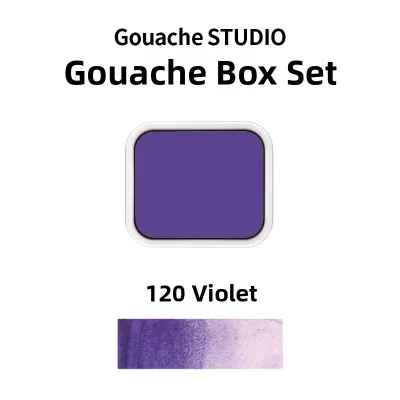
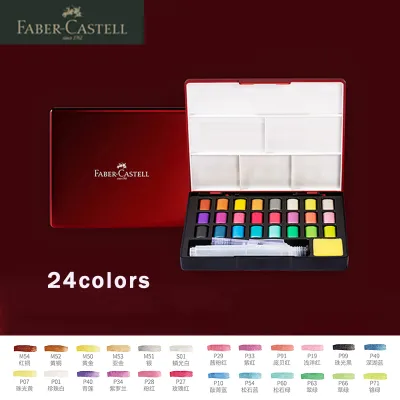
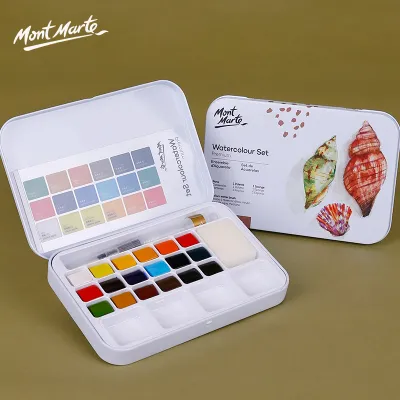
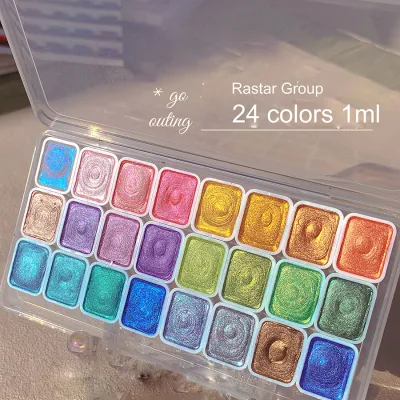
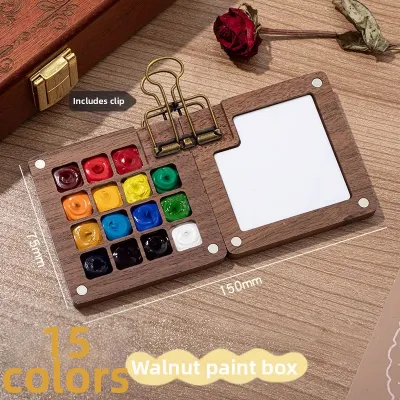
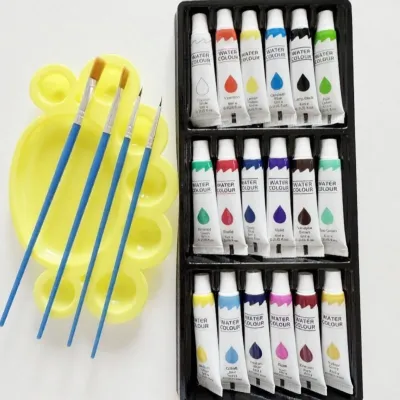
Prices are valid at publication and may change. Please refer to the product page for the latest price.
Tubes, on the other hand, contain moist, paste-like paint that you squeeze directly onto a palette. This format is excellent for painting large washes, mixing substantial quantities of color, and protecting your brush bristles from the friction of scrubbing dry pans. However, tubes require a bit more setup and cleanup. In a high-humidity environment, paint squeezed onto a palette can remain sticky for days, occasionally attracting dust or even mold if stored in dark, unventilated drawers. Beginners often find pans more manageable and less wasteful for daily practice.
Beyond the format, you must distinguish between student-grade and artist-grade paints. Student-grade watercolors are formulated with more synthetic binders, fillers, and chalk, which lowers the cost but also reduces the transparency and vibrancy of the paint. These sets often use “hues”—synthetic mixtures designed to mimic expensive, rare pigments. Artist-grade paints feature a much higher concentration of pure pigment bound with natural gum arabic, offering exceptional lightfastness, which is the paint’s resistance to fading when exposed to light. For absolute beginners, a high-quality student-grade set from a reputable manufacturer offers a practical balance of affordability and performance.
When evaluating color options, resist the temptation to buy massive sets containing dozens of pre-mixed shades. A starter set with 12 carefully selected colors is far superior for learning color theory. Look for a “split primary” palette, which includes a warm and a cool version of each primary color (two reds, two yellows, and two blues), along with a few essential earth tones like yellow ochre and burnt sienna. This limited selection forces you to practice color mixing, helping you understand how to create clean secondary and tertiary colors rather than relying on muddy, pre-mixed convenience shades.
Evaluating Palettes and Included Accessories
The physical container of your watercolor set serves as your primary mixing workspace, making its design and material crucial to your painting experience. Beginner sets typically come in either plastic or metal cases. Plastic cases are lightweight and highly portable, but they have a tendency to bead water on the mixing surfaces, making it difficult to see the true consistency and color of your washes. Metal tins, often finished with a white enamel interior, provide a much smoother mixing surface where water pools evenly, though they require a brief breaking-in period with a mild abrasive or eraser to stop water from beading.

Pay close attention to the layout and depth of the mixing wells within the palette. Deep, sloped wells are essential for holding generous pools of water and pigment without allowing them to overflow and contaminate neighboring colors. If you plan to paint outdoors or travel frequently, look for a palette design that includes a thumb ring on the bottom, which allows you to hold the set securely in one hand while painting with the other.
Many starter watercolor sets come bundled with a brush, which is often a small round brush or a plastic water brush featuring a refillable reservoir in the handle. While water brushes are incredibly convenient for quick sketching on the go, they offer limited control over water flow, which can hinder your progress when learning traditional wash techniques. If the set includes a traditional brush, evaluate the bristle material. Synthetic fibers like nylon or polyester blends are standard in beginner kits; they offer excellent spring but hold significantly less water than natural hair brushes.
Be wary of sets that pack in numerous low-quality accessories, such as tiny plastic water cups, flimsy sponges, or cheap plastic rulers. These additions often serve as filler to justify a higher price point while distracting from the mediocre quality of the actual paint. Prioritize sets that focus their value on the quality of the pigments and the durability of the palette case itself, as you can easily source superior accessories separately as your skills grow.
In-Store Checklist for Buying Art Supplies Locally
Visiting a physical art supply store allows you to inspect watercolor sets firsthand before making a purchase. When examining a set on the shelf, start by checking the integrity of the packaging. For pan sets, ensure the outer case latches securely and that individual pans do not rattle excessively inside, which can lead to cracked paint during transport. For tube sets, inspect the metal or plastic tubes for any signs of crimp damage, punctures, or dried paint around the caps, which indicates a leak that will cause the paint inside to harden prematurely.
Next, look closely at the product labeling on the back of the box. Reputable manufacturers print detailed pigment information directly on the packaging. Look for specific pigment codes (such as PB29 for Ultramarine Blue or PY150 for Nickel Azo Yellow) rather than generic color names like “sky blue” or “deep yellow.” The presence of these codes is a strong indicator of a high-quality paint formulation that respects standard artistic conventions.
Consider the physical dimensions and weight of the closed set in relation to your daily routine. If you plan to carry your supplies to community art classes, cafes, or outdoor sketching spots, the set should fit comfortably inside your standard commuting bag without adding excessive weight. A compact metal tin measuring roughly 12cm by 7cm is highly portable and fits easily onto small study desks or dining tables without cluttering your workspace.
Finally, verify the local availability of open-stock replacements for the brand you are considering. As you practice, you will inevitably run out of popular mixing colors like ultramarine blue, lemon yellow, or burnt sienna long before you touch the less common shades. Choosing a brand that is widely stocked in local stationery and art shops ensures you can easily purchase individual replacement pans or tubes (typically costing between S$4 and S$10 each) without being forced to buy an entirely new set.
Common Purchasing Mistakes to Avoid
One of the most common pitfalls for beginner watercolorists is purchasing oversized, inexpensive sets containing 36, 48, or even 72 colors. These budget-friendly sets are almost always packed with cheap chalky fillers and low-grade dyes rather than actual pigments. When applied to paper, these paints appear vibrant at first but dry to a dull, opaque, and chalky finish that easily lifts or smudges. Furthermore, attempting to mix these paints results in muddy, gray tones because the individual colors are already complex, low-quality mixtures rather than clean, single-pigment formulations.
Another critical mistake is allocating your entire budget to the watercolor set while neglecting the paper. Watercolor is a water-based medium that relies heavily on the surface it is applied to; cheap cartridge paper or standard drawing pads will warp, pill, and tear the moment water is applied, leading to immense frustration. Ensure you reserve a portion of your budget for dedicated watercolor paper. Look for paper that is cold-pressed, has a weight of at least 300 gsm (grams per square meter), and ideally contains 100% cotton fibers, which absorb water evenly and allow for smooth blending.
Lastly, do not fall into the trap of assuming that a higher price tag or a professional label automatically makes a set suitable for your current needs. Professional-grade sets are beautiful but can be highly intimidating for beginners due to their intense pigment load and the inclusion of toxic pigments (such as cobalt or cadmium) that require careful handling and disposal. Starting with a well-designed, non-toxic student-grade set allows you to experiment freely without the fear of wasting expensive, artist-grade materials during your initial learning phase.
Frequently Asked Questions (FAQ)
Do I need to buy extra brushes if the set already includes one?
While many beginner watercolor sets include a complimentary brush, it is often a basic synthetic tool designed for general use rather than detailed work. These bundled brushes frequently suffer from poor water capacity, meaning you will constantly have to reload your brush with water and paint, disrupting the flow of your washes. They may also lose their fine point quickly or shed bristles onto your wet painting.
To determine if you need an upgrade, test the included brush on a piece of scrap watercolor paper. Wet the brush thoroughly, load it with paint, and paint a series of fine lines and broad strokes. If the brush fails to snap back to a sharp point after each stroke, or if it cannot hold enough water to complete a simple wash, it is time for an upgrade. Investing in a single, high-quality standalone synthetic round brush (size 6 or 8) from a reputable art brand will immediately improve your control and painting experience.
Can I use student-grade watercolors for final artworks?
Student-grade watercolors are highly suitable for daily sketching, color theory practice, travel journaling, and mastering water control. However, they have distinct limitations when it comes to creating final, archival artworks intended for display or sale. Because student-grade paints contain higher ratios of fillers and synthetic binders, they lack the intense depth, transparency, and unique granulating textures of artist-grade pigments.
The most significant concern for final artworks is lightfastness. Many student-grade paints use dyes or lower-quality pigments that fade rapidly when exposed to UV light, meaning your artwork could lose its vibrancy within a few years if displayed in a bright room. If you plan to frame, gift, or sell your finished paintings, it is highly recommended to transition to artist-grade paints, which are rated for archival permanence and will preserve your work for decades.

Community discussion
Share your experience or ask a question. Comments are reviewed before publication.