
Finding a crochet book that not only teaches basic stitches but also tells you exactly which yarn brands and tools to buy can be challenging. Many beginner guides focus solely on abstract techniques, leaving new crafters to guess which materials will actually work for their first projects. The most helpful beginner crochet books are those that bridge the gap between theory and physical materials by providing explicit yarn brand names, specific fiber compositions, and precise tool specifications. Instead of simply instructing you to use “medium-weight yarn,” a high-quality guide recommends accessible, widely distributed brands alongside clear substitution rules, ensuring you do not waste time or money on incompatible supplies. To find these books, look for publications that feature dedicated resource directories, detailed material lists for every project, and visual guides to hook anatomy and yarn labels.
Evaluating a book’s physical and instructional layout is the first step in ensuring it will serve as a practical companion at your crafting table. A book that is difficult to keep open or lacks clear visual references can quickly lead to frustration, regardless of how good its material recommendations are. By focusing on structural design, visual clarity, and logical progression, you can select a guide that actively supports your learning style and physical workspace.
Core Features of a Beginner-Friendly Crochet Book
The physical format of a craft book directly impacts how easily you can follow its instructions while your hands are busy with yarn and hooks. Look for books featuring lay-flat binding, such as spiral, wire-o, or open-exposed spine bindings. A book that stays open on its own allows you to maintain your hand position and tension without constantly needing to weigh down the pages. If you are evaluating a standard paperback, check if the margins are wide enough to accommodate book clips without obscuring the text or diagrams. Additionally, high-quality paper with a matte finish is preferable, as it reduces glare under bright crafting lamps and allows you to write pencil notes in the margins regarding your hook sizes and stitch counts.
Products mentioned in this guide
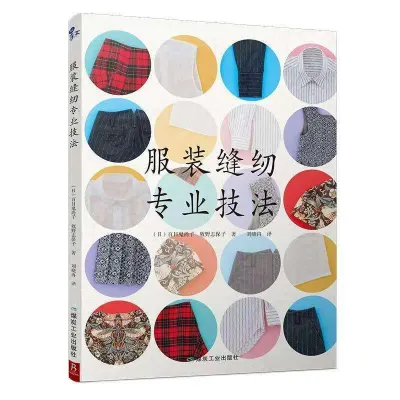
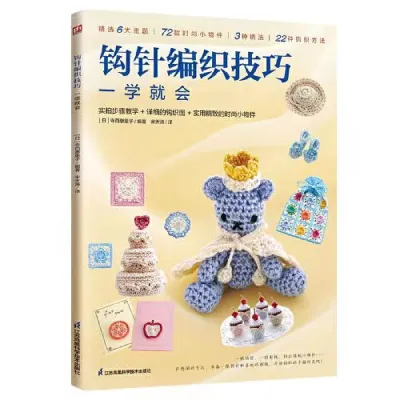
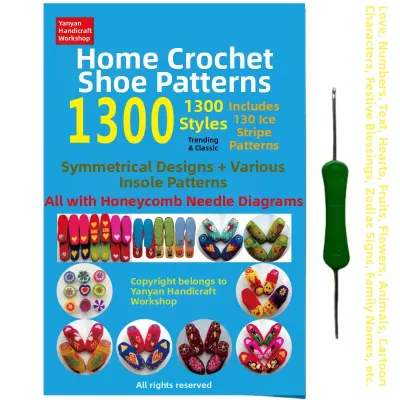
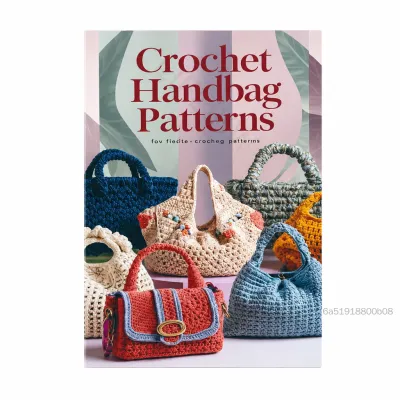
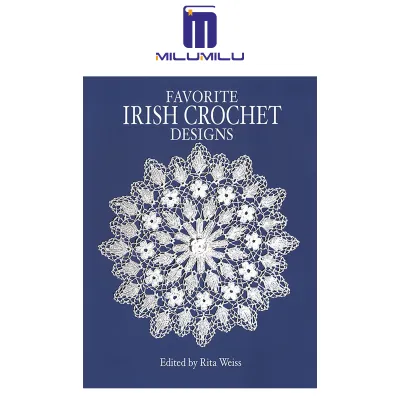
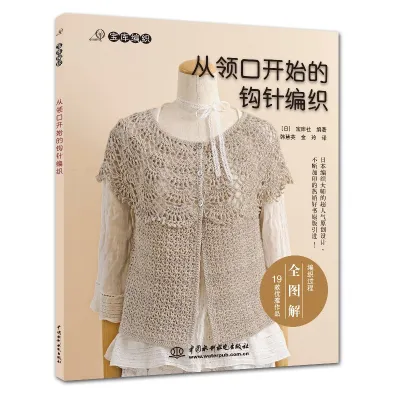
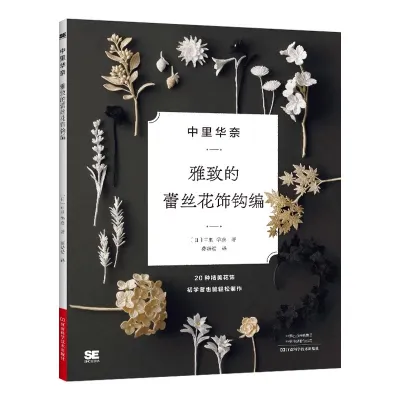
Prices are valid at publication and may change. Please refer to the product page for the latest price.
Visual instructions are the cornerstone of any successful beginner guide. The book should feature high-resolution, step-by-step photographs taken from the crafter’s perspective rather than from the front. This viewpoint allows you to match your hand movements exactly to the images. Look for illustrations that use high-contrast, light-colored yarns, which make individual loops and stitch anatomy clearly visible. Ideal guides also include clear stitch diagrams alongside written instructions, helping you learn to read patterns visually while reinforcing the written steps.
An effective learning guide must structure its projects in a logical, cumulative sequence. A beginner should not be expected to jump straight into complex garments or intricate toys. The book should open with simple, flat swatches—such as dishcloths or coasters—that allow you to practice maintaining consistent edge stitches and tension. Each subsequent project should introduce exactly one or two new skills, such as working in the round, changing yarn colors, or basic shaping. This gradual increase in difficulty prevents overwhelm and builds a solid foundation of transferable skills.
Finally, a comprehensive stitch dictionary or glossary is an indispensable reference tool within the book. This section should act as a quick-access index for basic techniques, such as the chain stitch, single crochet, half double crochet, and double crochet. When you encounter an abbreviation in a project pattern, you should be able to flip to the glossary immediately to review the physical mechanics of that stitch. A book that integrates this reference material saves you from having to pause your work to search for external tutorials.
How to Evaluate Yarn Brand and Material Guidance
A common pitfall of generic crochet books is the use of vague material descriptions that leave beginners guessing in the craft aisle. A truly helpful book provides specific, real-world brand recommendations alongside technical specifications. When a designer specifies the exact brand, line, and colorway used for the sample project, you gain a clear baseline for what the finished item should look and feel like. Look for books that list the fiber content, weight category, and the exact yardage or meterage required for each project, rather than just the number of skeins.

Because specific yarn lines can be discontinued or difficult to source depending on your location, a high-quality book must teach you how to find suitable substitutes. The guide should explain how to compare yarn labels, focusing on matching the weight classification and the fiber blend. For example, if a project calls for a specific brand of 100% mercerized cotton, the book should explain that substituting it with a fuzzy acrylic yarn will drastically alter the stitch definition and structural integrity of the item. Understanding these relationships empowers you to shop confidently at any local craft store or online marketplace.
Fiber content plays a massive role in how a yarn behaves on your hook and how the final fabric drapes. Beginner books should dedicate space to explaining the physical properties of common fibers. Cotton is inelastic but offers superb stitch definition, making it excellent for learning to identify stitch anatomy. Wool has natural elasticity, which helps absorb minor tension inconsistencies, while acrylic is highly affordable and easy to care for but can split easily if poorly spun. A book that explains these characteristics helps you understand why a specific fiber was chosen for a project and how a substitute might alter the outcome.
When assessing a book’s recommendations, consider the global availability of the suggested brands. Some books are written in collaboration with specific yarn manufacturers, which can be highly convenient if those brands are easily accessible in your region. However, if the recommended yarns are exclusive to a different market, the book should provide a clear conversion chart or a list of alternative, widely distributed international brands. This ensures you are not locked into expensive shipping fees just to obtain the materials needed to complete your first project.
Assessing Tool and Hook Recommendations
Just as yarn choice affects your fabric, your selection of crochet hooks and accessories determines your physical comfort and the ease of your stitches. A beginner-friendly book should demystify the tool selection process, starting with a clear explanation of hook sizing standards. Because hook sizes can be labeled using metric measurements (millimeters), US letters or numbers, or UK numbers, a comprehensive conversion chart is an essential feature of any introductory guide. This chart prevents costly mistakes when purchasing tools from different manufacturers.
Typical Crochet Hook Size Conversions:
Metric (mm)  |  US Size  |  UK Size
-----------------------------------
2.25 mm      |  B-1      |  13
3.25 mm      |  D-3      |  10
3.50 mm      |  E-4      |  9
4.00 mm      |  G-6      |  8
5.00 mm      |  H-8      |  6
5.50 mm      |  I-9      |  5
6.00 mm      |  J-10     |  4
The physical material of the hook significantly influences how smoothly the yarn glides. Aluminum hooks are highly durable and offer a very slick surface, which allows yarn to slide quickly, though they can sometimes feel cold to the touch. Bamboo and wooden hooks provide more natural friction, which is incredibly helpful for beginners who struggle with yarn slipping off the hook too easily. Plastic hooks are lightweight and economical but can sometimes feature rough manufacturing seams that snag delicate fibers. A good book should compare these materials and guide you toward the best option for your specific yarn choice.
Ergonomics and grip styles are critical considerations for preventing hand fatigue and repetitive strain injuries. The book should discuss the differences between inline and tapered hook heads, as well as the benefits of ergonomic handles. Hooks with soft, rubberized, or molded grips provide a larger surface area for your fingers, reducing the gripping force required to hold the tool. If you have sensitive skin, the book should also note that some metal hooks contain nickel, making aluminum or wooden hooks with hypoallergenic grips a safer choice for prolonged body contact.
Beyond the hook itself, a beginner guide must distinguish between essential tools and optional accessories. You do not need an expensive, comprehensive toolkit to start. The book should highlight a small group of indispensable notions: a pair of sharp embroidery scissors, a blunt-tipped tapestry needle for weaving in ends, and a handful of locking stitch markers. By clearly separating these essentials from luxury items like yarn bowls or digital row counters, the book helps you keep your initial investment low while ensuring you have everything necessary for success.
Finally, the book must provide clear, actionable instructions on how to check your tension and create a gauge swatch. Gauge is the measure of how many stitches and rows fit into a specific physical dimension, usually a 10-centimeter square. Because everyone crochets with a slightly different physical tension, your stitches may be tighter or looser than the designer’s. A helpful book explains how to measure your swatch and adjust your hook size accordingly—using a larger hook if your stitches are too tight, or a smaller hook if they are too loose—to ensure your finished projects turn out the correct size.
Planning Your Starter Kit Based on Book Projects
Once you have selected a book that offers clear material guidance, you can plan a highly efficient and cost-effective starter kit. Rather than buying a massive assortment of supplies, focus on the specific requirements of the book’s first two or three projects. This targeted approach keeps your initial workspace organized and prevents you from purchasing tools or yarn weights that you may not use for months.
When purchasing your first yarn, prioritize smooth, tightly spun yarns in light, solid colors. Pastel, cream, or light grey yarns make it incredibly easy to see the structure of your stitches and locate the loops where your hook needs to enter. Avoid dark colors like black or navy, as well as highly textured novelty yarns like chenille, bouclé, or eyelash yarn. These materials hide stitch definition, making it extremely difficult to identify mistakes or count your rows accurately, which often leads to dropped stitches and uneven edges.
In terms of budgeting, a basic starter kit can be assembled very affordably. A single high-quality ergonomic aluminum hook typically costs between S$5 and S$12, while a standard aluminum hook without a grip can be found for S$2 to S$4. A 100-gram ball of beginner-friendly acrylic or cotton utility yarn generally ranges from S$4 to S$10. Essential notions, including a pack of locking stitch markers and a plastic tapestry needle, can be purchased together for under S$5. Allocating a total budget of approximately S$20 to S$35 allows you to acquire comfortable, reliable tools and enough practice yarn to complete your first few book projects without overspending.
Before finalizing any purchase, always check the manufacturer specifications on both the tools and the yarn labels. Verify that the hook size recommended on the yarn band matches the hook size suggested in your book’s project pattern. Additionally, check the care labels on the yarn to ensure the finished item’s washing instructions align with your lifestyle. By cross-referencing your book’s detailed material lists with physical product labels, you can build a starter kit that guarantees a smooth, rewarding introduction to the craft.
Frequently Asked Questions (FAQ)
Do I need to buy the exact yarn brand recommended in the book?
No, you do not need to purchase the exact yarn brand specified in the book, provided you select a suitable substitute that matches the key technical specifications. To find a compatible alternative, look for a yarn that shares the same weight category (such as DK or Worsted) and has a similar fiber composition (such as 100% cotton or an acrylic blend). Check the yardage-to-weight ratio on the label to ensure the substitute yarn has a similar thickness and density, which affects how the finished fabric will drape. Always crochet a small gauge swatch with your substitute yarn and the recommended hook size to verify that your stitch count matches the pattern’s requirements before starting the main project.
What is the most important tool to invest in as a beginner?
Aside from the yarn itself, the most important tool to invest in is a high-quality, ergonomic crochet hook in a versatile mid-range size, such as 4.0 mm or 5.0 mm. Because you will spend hours holding this tool, a hook with a comfortable, cushioned grip significantly reduces hand fatigue and prevents cramping, making your learning experience much more enjoyable. Along with an ergonomic hook, you should prioritize acquiring a few locking stitch markers. These simple, inexpensive plastic clips are essential for marking the beginning of rounds, securing active loops so your work does not unravel when set down, and helping you maintain an accurate stitch count as you progress.

Community discussion
Share your experience or ask a question. Comments are reviewed before publication.