
To travel smoothly across Singapore’s public transport network, securing a genuine contactless transit card is essential. Purchasing from an ezlink singapore official distributor ensures your daily commutes are uninterrupted and your transit funds remain secure. While unauthorized third-party sellers frequently list these cards online, buying from unverified sources exposes you to financial scams, counterfeit products, and deactivated accounts. Knowing where to buy authentic cards and how to verify their physical and digital integrity guarantees a hassle-free travel experience.
Legitimate Channels to Buy an Official EZ-Link Card in Singapore
Securing a genuine card is straightforward when you stick to authorized physical and digital distribution networks. The most reliable physical locations are the official transit ticketing offices situated within major Mass Rapid Transit (MRT) stations and bus interchanges. These include SimplyGo Ticket Offices and Passenger Service Centres. Purchasing directly from these transit hubs guarantees that your card is authentic, brand new, and ready for immediate loading and use.
Beyond transit stations, a network of authorized retail partners distributes official cards across the island. Major convenience store chains, such as 7-Eleven and Cheers, stock these cards at their checkout counters. Selected bookstores and retail outlets also partner with the transit authority. When purchasing from these brick-and-mortar stores, always look for official decals, posters, or counter signage displaying the authorized brand logo. If a retailer cannot produce official branding or refuses to verify their authorized status, it is best to seek another source.
Products mentioned in this guide
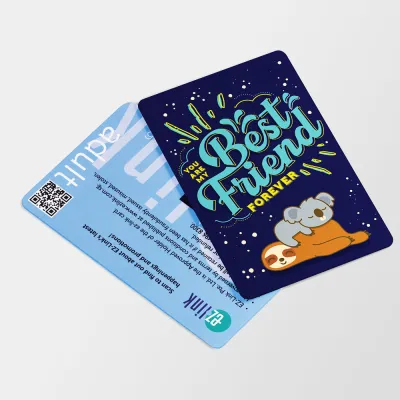
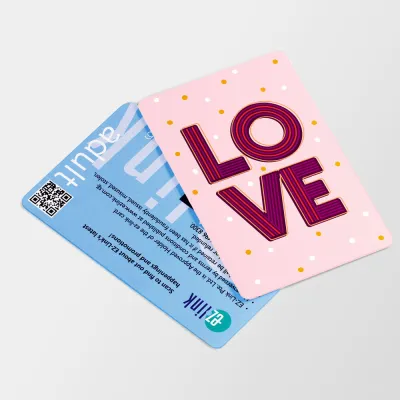

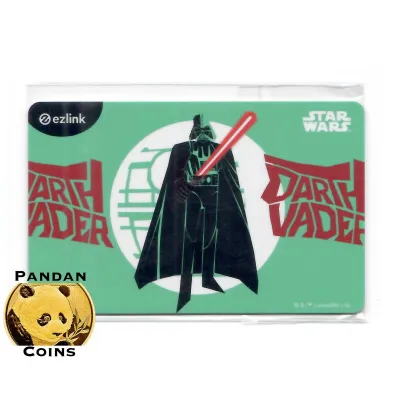

Prices are valid at publication and may change. Please refer to the product page for the latest price.
For digital-first buyers, official online channels offer a secure alternative. You can order physical cards directly through the official website or the official mobile application. These digital portals also facilitate the activation of virtual transit accounts and digital wallets, allowing you to bypass physical card requirements entirely if your mobile device supports contactless transit payments.
Before visiting a physical store, it is highly recommended to use the official store locator tool on the card issuer’s website. This tool provides an up-to-date list of authorized retail partners and their specific branch locations. Verifying a store’s credentials through this tool prevents you from accidentally purchasing a card from an unauthorized reseller operating in the same vicinity.
Authentic vs. Counterfeit: How to Spot a Fake EZ-Link Card
While the vast majority of transit cards in circulation are authentic, counterfeit and tampered cards do occasionally appear in secondary markets and unauthorized online listings. Spotting an unauthorized replica requires a combination of visual, physical, and digital checks. No single visual trait can guarantee absolute authenticity on its own, which is why a comprehensive multi-step inspection is necessary before loading significant monetary value onto any card.

Packaging and Print Quality
Official transit cards are manufactured to strict industrial printing standards, resulting in a crisp, high-resolution finish. Inspect the card face closely under bright, direct light. Authentic cards feature perfectly sharp text, vibrant colors, and high-contrast graphics without any signs of color bleeding or pixelation. The brand logo and official transit icons must be perfectly aligned and free from spelling errors or unusual font variations.
Many official card series incorporate subtle security features to deter counterfeiters. These can include holographic overlays that shimmer when tilted, micro-text that is only legible under magnification, or specific ultraviolet (UV) reactive elements embedded in the artwork. If you observe blurry logos, muddy colors, or pixelated edges on the card’s surface, the card is highly likely a low-quality unauthorized copy.
Card Material, Texture, and Structure
An authentic transit card is a robust smart card made from high-grade Polyvinyl Chloride (PVC) or Polyethylene Terephthalate (PET). It conforms strictly to standard smart card dimensions, measuring approximately 85.60 mm by 53.98 mm with a uniform thickness of roughly 0.76 mm. The edges of an official card are perfectly smooth, rounded, and free from plastic burrs, rough cuts, or split layers.
Because these cards rely on Near Field Communication (NFC) technology, they contain an internal microchip and an antenna coil embedded between the plastic layers. If you run your fingers gently across the surface of a genuine card, you will feel a completely flat, uniform texture, though some series may have a very slight, consistent, and barely perceptible raised area where the chip sits. In contrast, counterfeit or tampered cards often feel unusually thin, flimsy, or excessively flexible. Some poorly made fakes may even show visible internal wiring shadows or uneven bumps when held up against a strong light source.
Serial Numbers and Card Identification
Every official card is assigned a unique Card Serial Number (CSN) or Card ID, which serves as its primary identity in the central transit database. This number is typically printed on the back of the card or along the lower front edge. On an authentic card, this serial number is laser-engraved or printed using a highly precise, specialized font. The numbers will be perfectly aligned, evenly spaced, and resistant to light scratching.
When examining a suspected card, pay close attention to how the serial number is applied. Be highly suspicious of numbers that appear to be stamped on unevenly, use generic computer fonts, or show signs of being scraped off and reprinted. If the serial number is missing entirely or does not match the standard digit length of official cards, do not attempt to use or top up the card.
How to Verify Your EZ-Link Card Using Official Tools
Physical checks are an excellent first line of defense, but digital verification provides definitive proof of a card’s authenticity and operational status. The most accessible way to verify your card is by using a compatible, NFC-enabled smartphone. By downloading the official mobile application, you can utilize your phone’s built-in NFC reader to scan the card. Simply open the app, hold the card against the back of your phone, and wait for the sensor to detect it.
A successful scan on the official app will immediately display the card’s current balance, its unique serial number, its expiration date, and its recent transaction history. If the app successfully reads the card and displays this official backend data, you can be confident that the card is genuine and registered on the network. If the smartphone’s NFC sensor fails to read the card entirely, or if the app returns an “invalid card” error, the card is either physically defective, demagnetized, or an outright counterfeit.
Another practical verification method is to test the card at an official top-up machine or a transit gantry. Insert or tap the card at any ticketing machine located inside an MRT station. A genuine card will register instantly, displaying its current balance and allowing you to add funds. When passing through a bus or MRT gantry, an authentic card will trigger a standard single beep and display the remaining balance on the screen. A counterfeit, blocked, or expired card will trigger an error light, sound a warning beep, and be rejected by the gantry.
If you have performed physical and app-based checks but still feel uncertain about a card’s legitimacy, you can contact official customer support. Provide the customer service team with the printed serial number of the card. They can cross-reference this number with their secure database to verify if the card is active, valid, and legally issued.
Red Flags: Avoiding Third-Party Scams on E-Commerce Platforms
The convenience of online shopping has unfortunately made e-commerce platforms and social media marketplaces prime targets for transit card scams. Protecting yourself requires a high level of vigilance and an understanding of the common tactics used by fraudulent sellers. One of the most immediate red flags is a listing offering cards at prices significantly below the standard retail cost. Because official cards have a fixed, non-refundable manufacturing and administrative cost, any listing offering “cheap” or “discounted” cards is likely selling depleted, blocked, or counterfeit stock.
Be particularly wary of listings that advertise “unlimited rides,” “hacked,” or “jailbroken” transit cards. Singapore’s transit payment system operates on a highly secure, centralized backend network. It is technologically impossible to “hack” a physical card to grant unlimited free travel. Any seller making these claims is engaging in illegal activity, and any such card will be quickly detected, blocked, and confiscated by transit authorities, potentially exposing the user to legal penalties.
When browsing online marketplaces, always scrutinize the seller’s profile. Check their overall rating, read through their historical customer reviews, and note the age of the account. Newly created accounts with zero feedback, generic usernames, or highly repetitive positive reviews are common indicators of scam operations. Additionally, avoid sellers who insist on taking the transaction off the platform. If a seller requests direct bank transfers, peer-to-peer payment links, or asks to communicate via external messaging apps rather than the platform’s secure checkout system, decline the transaction immediately. Doing so voids any buyer protection policies offered by the marketplace.
Finally, exercise caution when purchasing “customized,” “painted,” or “hand-crafted” cards from unauthorized third-party designers. While these custom designs can be visually appealing, the process of customizing a card often involves peeling back the protective plastic layers, applying thick paint, or adding metallic decals. These modifications can easily damage the delicate internal NFC antenna or interfere with the radio frequency signals required to communicate with transit readers. Furthermore, using physically modified cards violates the card issuer’s terms of service and can lead to the card being rejected or confiscated at transit gantries.
Action Plan: What to Do If You Receive a Suspected Fake Card
If you suspect that you have purchased or received a counterfeit, tampered, or fraudulent transit card, taking swift and correct action is vital to protect your funds and help authorities track down dishonest sellers. First, immediately stop using the card. Do not attempt to tap it at transit gantries or top-up machines, and do not try to peel, modify, or “fix” the physical card. Continued use of a suspected fake card can result in it being confiscated by transit staff, and modifying it may destroy physical evidence required for a refund or investigation.
Next, initiate a formal dispute through the platform where you made the purchase. If you bought the card on an online marketplace or a social media shop, use their built-in reporting and refund tools. Submit clear photographs of the card’s front and back, highlighting any print defects, incorrect fonts, or physical irregularities. Provide screenshots of your conversation with the seller and any transaction receipts. Request a full refund under the platform’s buyer protection policy.
You should also report the incident directly to official customer service. Provide them with the card’s printed serial number and details of where you purchased it. This allows the issuer to investigate the source of the counterfeit cards and, if necessary, block the fraudulent serial numbers from the central network to prevent further scams.
If you have lost a significant amount of money, or if you suspect your personal or financial data was compromised during the transaction, file an official report with the Singapore Police Force. Providing the police with the seller’s contact details, bank account numbers, and online listings helps protect the wider community from ongoing e-commerce fraud.
Frequently Asked Questions (FAQ)
Can I buy and use a second-hand or pre-owned EZ-Link card?
While standard adult transit cards are technically reusable, purchasing pre-owned cards from unverified individuals carries significant risks. The seller may have already reported the card as lost or stolen, which allows them to recover the remaining balance while leaving you with a blocked, useless piece of plastic. Additionally, you run the risk of accidentally purchasing a concession card (such as those issued to students or senior citizens). Using a concession card without legal entitlement is a serious offense under transit regulations. For guaranteed functionality and peace of mind, always purchase a new card from authorized channels.
Are third-party card skins or stickers safe to apply to my EZ-Link card?
Applying thin, high-quality vinyl skins designed specifically for smart cards is generally safe and will not interfere with the card’s contactless functionality. However, you must avoid thick stickers, metallic decals, or accessories containing metal, as these materials act as electromagnetic shields that block the NFC signal. Additionally, avoid using aggressive glues or adhesives that can degrade the card’s PVC structure or leave sticky residues that could jam ticketing machines. Keep in mind that physical damage caused by applying or removing third-party modifications is not covered by the manufacturer’s warranty.

Community discussion
Share your experience or ask a question. Comments are reviewed before publication.