
When shopping for satin cloth fabric, it is easy to be seduced by its signature glossy surface and liquid-like drape. However, many buyers quickly discover that not all satins are created equal. Some pieces retain their lustrous beauty and breathability for years, while others snag at the slightest touch, cling staticly to the skin, or trap heat uncomfortably. Assessing quality requires looking past the initial shine to examine the fiber composition, weave density, and finish.
In Singapore’s warm and humid tropical climate, selecting the wrong type of satin can result in garments that are stifling to wear. Understanding how to evaluate these textiles ensures that your sewing projects, bedding, or apparel choices offer the durability, comfort, and aesthetic appeal you expect. By learning a few simple sensory and structural tests, you can confidently navigate fabric shops and online marketplaces to find high-grade options.
Understanding Satin: Why the Weave Matters More Than the Name
A common misconception among fabric buyers is that “satin” refers to a specific raw material or fiber, such as silk. In reality, satin is a method of weaving threads. This structure is characterized by long “floats,” where warp yarns pass over multiple weft yarns (typically four or more) before interlacing under one. This specific pattern minimizes the interlacing points on the face of the textile, creating an uninterrupted surface that reflects light smoothly.
Products mentioned in this guide

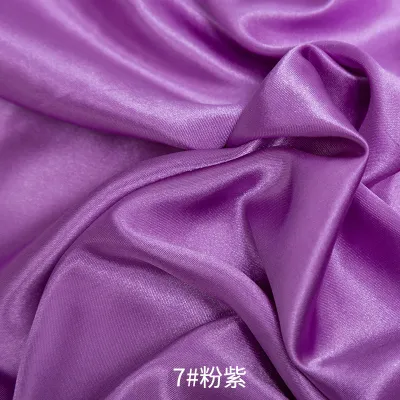

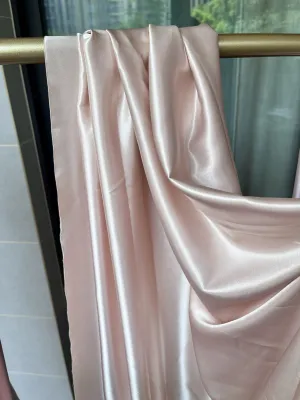

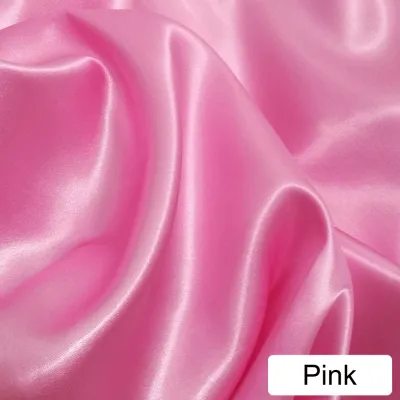
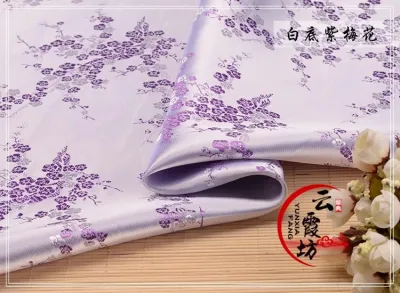
Prices are valid at publication and may change. Please refer to the product page for the latest price.
This unique construction is what gives the material its characteristic glossy, lustrous face and contrasting dull, matte back. Because the long floating threads lie flat and parallel to one another, they create a highly reflective surface. However, this structural design also makes the fabric inherently delicate, as the exposed floating threads are more vulnerable to catching and pulling than those in a standard plain or twill weave.
Because the word only describes the weave pattern, the underlying fiber composition is what actually dictates the fabric’s true quality, price, comfort, and performance. A satin woven from polyester will behave entirely differently from one woven from pure silk or viscose. When evaluating quality, your very first step must always be to identify what raw material was used to spin the threads before they were woven into the satin pattern.
Choosing the Right Fiber: Silk vs. Synthetic vs. Semi-Synthetic
The choice of raw fiber determines how the fabric breathes, how it drapes against the body, how it reacts to moisture, and how much care it requires. Different fibers suit different projects, budgets, and environmental conditions.

Silk Satin (Natural and Breathable)
Mulberry silk represents the absolute pinnacle of quality when it comes to satin cloth fabric. This natural protein fiber offers exceptional breathability and natural temperature regulation. In a humid climate, silk satin allows air to circulate and absorbs moisture without feeling damp, making it incredibly comfortable for close-fitting garments, luxury sleepwear, and bedding.
Beyond comfort, silk satin possesses a soft, deep, pearlescent luster that synthetic alternatives cannot fully replicate. It drapes with a natural weight and fluidity, moving gracefully with the body. Because it is hypoallergenic and smooth, it is also highly favored for pillowcases to reduce hair friction and skin irritation.
This premium material requires a higher investment, with prices in specialty shops often ranging from S$40 to over S$90 per meter. It also demands meticulous maintenance, typically requiring delicate hand washing with pH-neutral detergents or professional dry cleaning. The weight and thickness of silk satin are measured in Momme (mm), which serves as a key indicator of its density and quality.
Synthetic Satins (Polyester and Nylon)
Polyester and nylon satins are the most widely available and budget-friendly options on the market, typically costing between S$5 and S$15 per meter. These synthetic fibers are highly valued for their durability, excellent wrinkle resistance, and strong colorfastness. They resist shrinking, can usually be machine-washed, and hold vibrant dyes exceptionally well over time.
However, synthetic fibers lack natural breathability and moisture-wicking properties. In warm weather, a polyester satin garment can trap body heat and perspiration, leading to an uncomfortable, sticky sensation. Synthetics are also highly prone to generating static electricity, causing the fabric to cling awkwardly to the body or attract lint.
These characteristics make synthetic satins best suited for structured linings, evening wear worn for short durations, theatrical costumes, table runners, and craft projects. In these applications, the fabric’s structural stability, resistance to wear, and low cost are major advantages, while breathability is less of a priority.
Semi-Synthetic Satins (Rayon and Viscose)
Semi-synthetic satins, made from regenerated cellulose fibers like rayon, viscose, modal, or lyocell, offer an excellent middle ground. These materials mimic many of the desirable qualities of silk, providing a highly fluid, liquid-like drape and a soft, subtle sheen. They are significantly more breathable than pure synthetics, making them comfortable for daily wear in tropical climates.
Despite these benefits, semi-synthetic fibers have distinct structural limitations. They lose a significant portion of their strength when wet, making them vulnerable to tearing, stretching, or distorting during washing if not handled with extreme care. They also wrinkle easily and are prone to significant shrinkage if the fabric is not pre-washed before sewing.
For those seeking the elegant drape of silk without the premium price tag, rayon and viscose satins are excellent choices. They are ideal for flowing summer dresses, skirts, wide-leg trousers, and lightweight blouses, provided you are prepared to wash them gently and iron them regularly.
Assessing Weave Density, Weight, and Durability
Once you have identified the fiber content, you must evaluate the structural integrity of the weave. The density of the weave directly impacts how durable the fabric will be and how well it will resist snagging during wear and laundering.
A tight, dense weave is essential for high-quality satin. When the threads are packed closely together, the long floating yarns are held securely in place, reducing the risk of them catching on jewelry, rough skin, or sewing needles. A loose, sparse weave leaves the floats loose and vulnerable, leading to rapid surface degradation and unsightly pulls.
To evaluate the weight and density of the fabric, look for specific industry metrics:
- For Silk Satin: Check the Momme (mm) rating. A rating of 12mm to 16mm is lightweight and suitable for delicate scarves or sheer overlays. For standard apparel like blouses and dresses, look for 19mm. For heavy-duty use, such as bedding, bridal gowns, or structured garments, opt for 22mm or higher, which indicates a denser, more durable weave.
- For Synthetic and Semi-Synthetic Satin: Look for the GSM (grams per square meter) specification. High-quality apparel-grade synthetic satin typically ranges from 100 to 150 GSM. Anything significantly lower than 80 GSM is likely to be paper-thin, fragile, and prone to seam slippage, where the yarns pull apart at the stitched seams.
You can perform a simple light test to verify the density of the weave in person. Hold a single layer of the fabric up to a bright light source. A high-quality, densely woven satin will block most of the light, showing a uniform, solid surface. If you can easily see light filtering through in an uneven, grid-like pattern, the weave is too loose, and the fabric is highly susceptible to snagging and seam failure.
Inspecting Finish, Drape, and Surface Quality in Store
Evaluating satin in a physical store allows you to use your visual and tactile senses to detect low-grade manufacturing processes or excessive chemical treatments.
Start by observing how the fabric reflects light under good illumination. High-quality satin, whether natural or synthetic, should exhibit a rich, deep, pearlescent luster that diffuses light softly. Cheap, low-grade synthetic satins often have a harsh, metallic, mirror-like glare that looks highly reflective and plastic-like. This artificial shine is a clear indicator of low-quality polymer fibers and poor finishing techniques.
Next, test the drape by gathering a meter or two of the fabric in your hand and letting it fall naturally. High-quality satin should flow effortlessly like water, forming soft, rounded, fluid folds. If the fabric feels stiff, paper-like, or forms sharp, angular creases, it may have been treated with heavy chemical sizing. Sizing is a temporary starch used by manufacturers to make cheap, low-density fabrics feel more substantial on the bolt, but it will wash out completely after the first laundry cycle, leaving behind a limp, thin material.
Finally, inspect the dye penetration and surface consistency, particularly on dark or deeply saturated colors. Gently fold the fabric sharply or pull it slightly taut between your fingers. Look closely at the crease or the stretched area; if you see pale or white core fibers showing through, the dye has only coated the very surface of the yarns. This indicates a cheap dyeing process, meaning the fabric will likely fade quickly, show white wear lines along seams, or rub off onto other garments and skin.
A Step-by-Step Checklist for Buying Satin Cloth Fabric
To ensure you get the exact quality you need for your project, use this practical checklist at the point of purchase:
- Read the Fiber Label: Always check the official fiber content percentage on the bolt or product specifications. Do not rely on marketing names like "Silky Satin" or "Satin Silk," which are frequently used to disguise 100% polyester as natural silk. Look for explicit labels such as "100% Mulberry Silk," "100% Viscose," or "100% Polyester."
- Inspect the Selvedge and Surface: Unroll at least one to two meters of the fabric under bright, clear light. Examine the selvedge (the self-finished edges of the fabric) for any puckering, excessive fraying, or pulling, which indicates uneven tension during weaving. Scan the main body of the fabric for slubs, dropped threads, uneven dye spots, or pre-existing snags.
- Friction and Static Test: Take a corner of the fabric and gently rub two layers against each other. If the fabric generates immediate static electricity, clings tightly to itself, or makes a crackling sound, it is a low-grade synthetic that will likely be uncomfortable to wear. If the friction causes the surface fibers to fuzz up or catch, the weave is too loose for long-term durability.
- Verify Care Requirements: Before finalizing your purchase, confirm that the fabric's care instructions match your lifestyle and the intended use of the item. If you are sewing an everyday garment, ensure you are willing to hand wash or dry clean a delicate silk or rayon. For high-use, frequently washed items, a high-grade, densely woven polyester satin may be the more practical choice.

Community discussion
Share your experience or ask a question. Comments are reviewed before publication.