
Estimating the exact number of cardboard moving boxes you need depends on the size of your home, the number of rooms, and how long you have lived there. For a typical three-room or four-room apartment, you will generally require between 30 and 60 boxes of varying sizes to pack your belongings safely. A minimalist household might lean toward the lower end of this range, while a family with years of accumulated items will easily exceed the upper estimate.
To avoid the frustration of running out of supplies mid-pack or overspending on excess materials, you must balance your inventory across small, medium, and large sizes. Rather than buying a single massive bulk pack of one size, a structured approach that matches box dimensions to the weight and fragility of your items ensures a smoother, safer move.
Assessing Your Space and Categorizing Belongings
Before purchasing any packaging materials, walk through your home to assess the volume of your belongings room by room. A standard count of rooms provides a baseline, but the actual density of items within those spaces dictates your final box count. A sparsely furnished spare bedroom requires far fewer cartons than a heavily utilized kitchen or a home office packed with reference materials.
Products mentioned in this guide
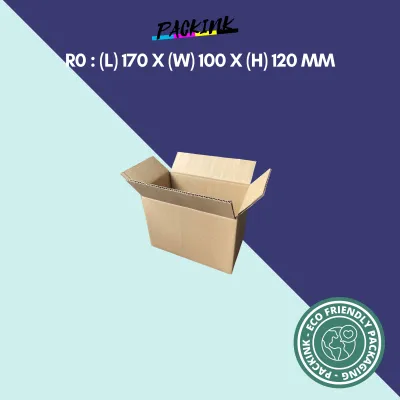
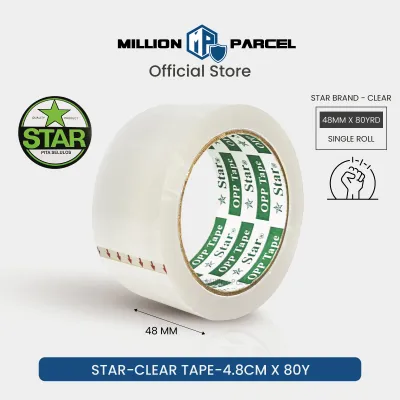
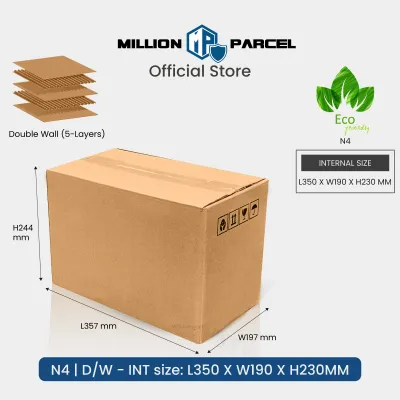
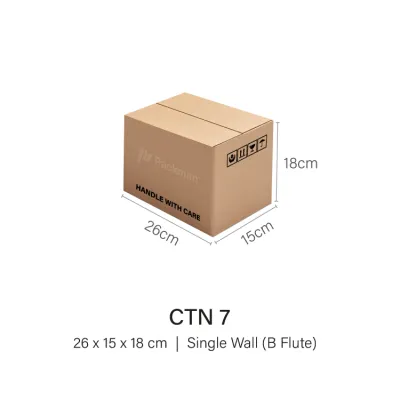
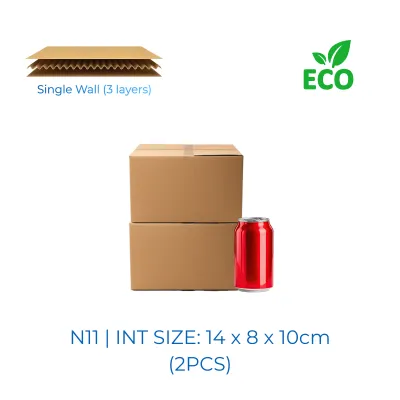
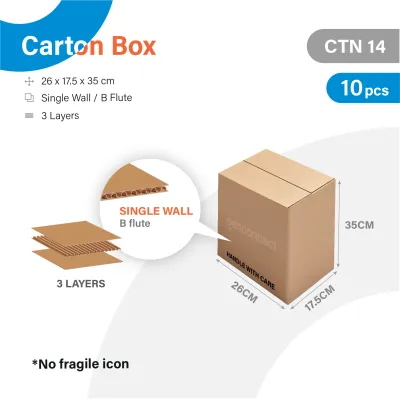
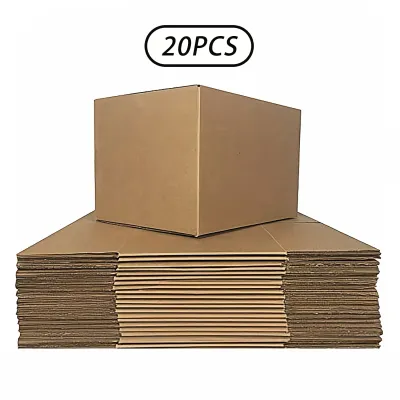
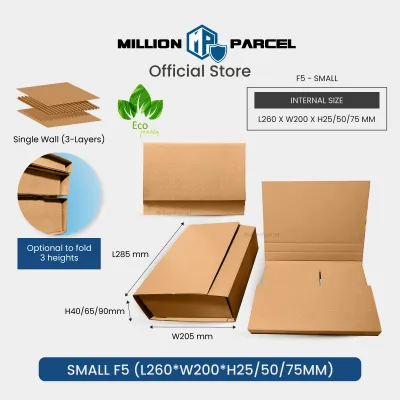
Prices are valid at publication and may change. Please refer to the product page for the latest price.
As you evaluate each room, categorize your items by weight, density, and fragility rather than simply grouping them by where they currently sit. Heavy items like books, files, and pantry goods require different structural support than lightweight, voluminous items like cushions, blankets, and plush toys. Grouping your belongings this way prevents the common mistake of packing heavy items into large boxes, which leads to structural failure and potential injury.
Pay close attention to the ratio of bulky, lightweight items to dense, heavy items. A home with extensive library shelves or a large collection of ceramic kitchenware will need a significantly higher proportion of heavy-duty, smaller boxes. Conversely, a home filled with bulky bedding, winter coats, and decorative pillows will require larger, high-volume cartons that keep these light items contained without adding excessive weight.
Matching Belongings to Standard Cardboard Box Sizes
Cardboard moving boxes are engineered to handle specific weight distributions, and matching your belongings to the correct size is essential for safe transport. Using the wrong box size not only risks damaging your items but also makes stacking and loading the moving vehicle highly inefficient.

Small boxes, typically measuring around 30 to 40 centimeters on their longest side, are the workhorses for heavy, dense items. You should reserve these compact cartons for books, tools, files, canned food, and heavy kitchen utensils. Keeping these items in small boxes ensures that the total weight of each packed unit remains manageable for a single person to lift comfortably.
Medium boxes are the most versatile option, making them ideal for mixed-weight items and general household goods. Use these for packing shoes, toys, small kitchen appliances, clothing, and moderate-weight decorative pieces. Because they offer a balanced volume-to-weight ratio, they are easy to stack securely in a moving vehicle without crushing the boxes beneath them.
Large and extra-large boxes should be reserved strictly for lightweight, bulky items that take up significant space but add very little weight. Bedding, pillows, comforters, winter jackets, and plastic toys are perfect candidates for these larger cartons. Overloading a large box with heavy items like books or kitchenware will almost certainly cause the bottom seams to split, risking damage to your belongings.
Specialty boxes offer targeted protection for items that do not fit well into standard rectangular cartons. Wardrobe boxes, which feature a built-in metal hanging bar, allow you to transfer clothes directly from your closet without folding them, preserving their shape and saving packing time. Heavy-duty dish-pack cartons, featuring double-walled cardboard construction, provide the extra structural rigidity needed to protect fragile glassware, ceramics, and family heirlooms.
Estimating Box Quantities by Room Function
To build a realistic shopping list, you can estimate your box needs by analyzing the specific functions of each room in your home. Different areas of the house demand entirely different size distributions based on the typical density of their contents.
Kitchens and dining areas are notoriously difficult to pack and require a higher proportion of small and medium boxes. Because plates, bowls, glassware, and small appliances are both heavy and fragile, they must be packed tightly with ample protective wrapping. For a standard kitchen, plan for a generous supply of small boxes to handle heavy dinnerware, alongside medium boxes for pots, pans, and small countertop appliances.
Bedrooms and living rooms generally require a balanced mix of medium and large boxes. These spaces contain a high volume of textiles, linens, clothing, and lightweight decor that can be packed quickly into larger containers. While you will still need a few small boxes for bedside table contents, jewelry boxes, and media collections, the bulk of these rooms can be managed with larger, high-volume cartons.
Home offices, libraries, and studies demand a high volume of small boxes to safely manage the concentrated weight of paper. Books, documents, binders, and office stationery are incredibly heavy when packed together. Attempting to pack a single bookshelf into a medium or large box will result in a package that is virtually impossible to lift safely, so stick to small, sturdy cartons for these spaces.
Always apply a buffer rule to your final estimate by adding an extra 10 to 15 percent to your calculated box quantities. It is common to underestimate the volume of miscellaneous items hidden in drawers, closets, and storage cabinets. Having a small surplus of boxes on hand prevents last-minute trips to packaging suppliers when you are in the middle of your packing schedule.
Managing Your Box Supply and Avoiding Shortages
Acquiring your moving boxes in phases can help you manage your budget and storage space while ensuring you do not end up with a massive surplus of unused cardboard. A systematic approach to sourcing and packing keeps your living space organized during the transition.
Start packing non-essential items, such as seasonal clothing, formal dinnerware, and books, several weeks before your moving date. This early phase serves as a practical test of your initial box estimates, allowing you to see exactly how much volume your belongings occupy. Based on how quickly you deplete your initial supply, you can adjust your final orders for the remaining rooms.
When you need to top up your supply or source specialty packing materials, look to local stationery suppliers or specialized online packaging retailers. These suppliers offer standardized moving cartons, heavy-duty packing tape, bubble wrap, and packing paper that meet professional moving standards. Investing in quality stationery supplies ensures your boxes remain securely sealed and structurally sound throughout the journey.
If you choose to reuse or repurpose boxes from previous deliveries or local businesses, inspect each carton thoroughly before packing. Check for signs of moisture damage, soft spots, or weakened corners, as cardboard loses its structural integrity quickly when exposed to humidity or heavy loads. Only use secondhand boxes that are completely dry, rigid, and free of structural defects to protect your valuable belongings.
Frequently Asked Questions (FAQ)
Is it safe to use repurposed grocery boxes for moving?
Repurposed grocery boxes can be a cost-effective option for non-fragile items, but they carry risks that you must evaluate carefully. Before packing your belongings into free cartons, inspect them for structural integrity, previous liquid spills, or signs of pest exposure. Grocery boxes often carry organic residue that can attract insects or weaken the cardboard fibers over time.
Additionally, standard moving boxes are designed with uniform dimensions, which makes them easy to stack tightly and securely inside a moving truck. Repurposed cartons come in irregular shapes and sizes, creating unstable stacks that can shift or collapse during transit. For fragile, valuable, or heavy items, investing in standard, purpose-built moving boxes is always the safer choice.
How can I tell if a packed box is too heavy?
A practical way to test if a packed box is too heavy is to perform a simple lift test before sealing the top flaps. Attempt to lift the box off the floor using proper lifting posture—bending at your knees and keeping your back straight. If you feel any strain in your back, or if the cardboard bottom begins to bow or sag under the weight, the box is overloaded.
If a box fails this lift test, open it immediately and redistribute the contents. Transfer heavy items into smaller cartons and fill the remaining space in the original box with lightweight packing materials like crumpled paper or bubble wrap. Keeping individual box weights manageable protects both your physical safety and the structural integrity of the cardboard.

Community discussion
Share your experience or ask a question. Comments are reviewed before publication.