
Selecting the right fabric cloth for sewing determines whether a finished garment hangs beautifully, withstands regular wear, or becomes a frustrating challenge at the sewing machine. The fiber composition—whether natural, synthetic, or a blend—directly dictates how the material behaves under a needle, how it responds to heat and moisture, and how it drapes over the body. Understanding these physical characteristics allows you to adjust your sewing techniques and machine settings before making your first cut, ensuring a professional finish that lasts.
Every fabric type interacts uniquely with sewing machine feed dogs, needles, and presser feet. While a crisp cotton might feed smoothly without shifting, a slippery synthetic satin or a highly elastic knit requires specific handling, tension adjustments, and needle selections to prevent skipped stitches or puckered seams. By learning to evaluate fabric weight, weave, and fiber properties, you can confidently match your material to your pattern and achieve the exact structure and durability your project demands.
How Fabric Composition Influences Sewing Behavior
The physical friction between your fabric and the sewing machine’s feeding mechanism varies significantly based on fiber origin. Natural fibers like cotton and linen generally possess a matte, slightly textured surface that grips the feed dogs and presser foot evenly, making them highly stable and easy to guide. Synthetic fibers like polyester and nylon, however, often feature smooth, extruded filaments that reduce friction, causing the layers to slip against one another during stitching. This lack of grip can lead to misaligned seams or uneven hemlines if the material is not properly pinned or basted.
Products mentioned in this guide
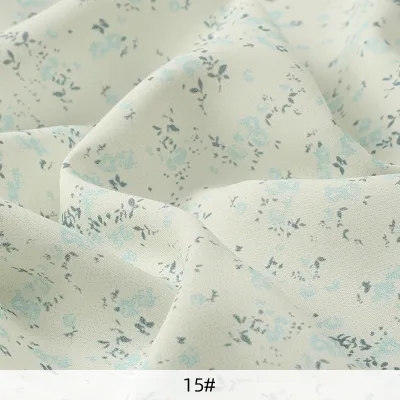
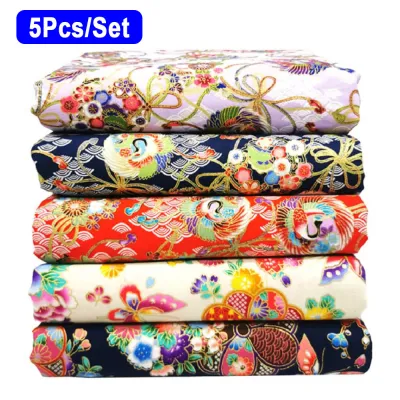
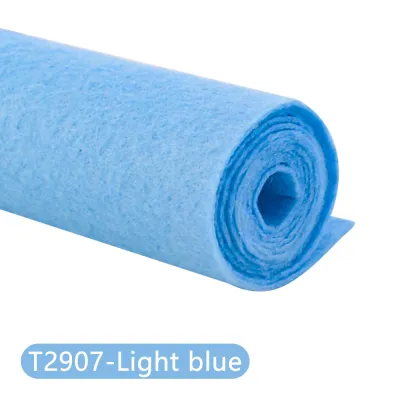

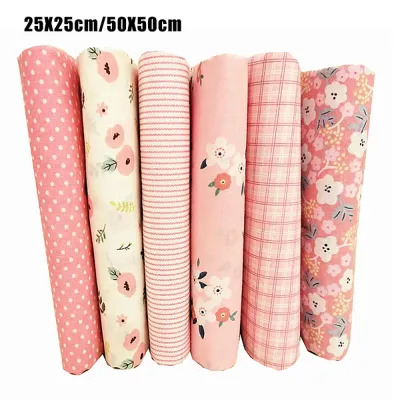
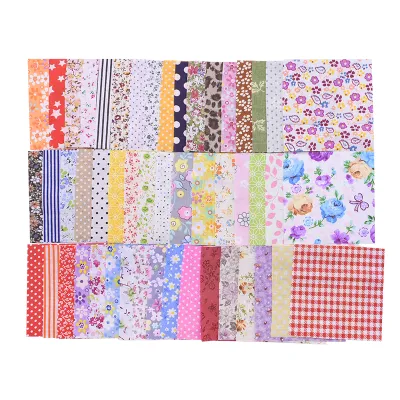
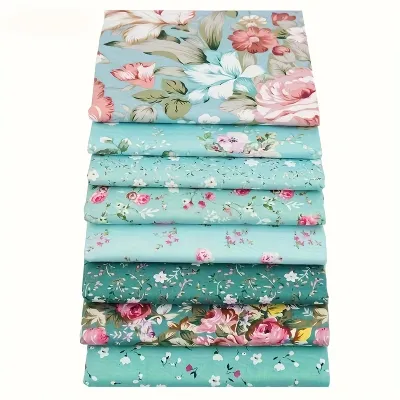
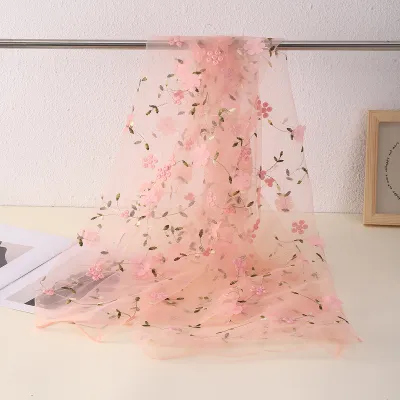
Prices are valid at publication and may change. Please refer to the product page for the latest price.
Fabric stretch and thickness also play critical roles in seam puckering and machine tension. Highly elastic fabrics, such as those containing elastane, tend to stretch under the tension of the presser foot, resulting in wavy, distorted seams once the fabric relaxes. Conversely, dense or tightly woven fabrics resist needle penetration, which can cause the upper thread to pull tight and pucker the fabric along the stitch line. Adjusting the presser foot pressure and loosening or tightening the tension dials can help balance the stitch, but these adjustments must be customized to the specific material thickness.
To prevent structural failures and skipped stitches, perform an observable check on a small fabric scrap before starting your main project. Match your needle type to the fabric’s construction; use a sharp, slim universal or microtex needle for tightly woven synthetics, and a ballpoint or stretch needle for knits to avoid piercing and damaging the loops. Sew a test seam using two layers of your scrap fabric, then gently pull the seam horizontally to check for thread popping, puckering, or skipped stitches. If the stitches look uneven, adjust your machine’s tension or switch to a different needle size until the seam lies completely flat and secure.
How Material Choices Dictate Drape and Structure
The silhouette and movement of a finished garment depend entirely on the relationship between fiber content, fabric weight, and weave structure. Drape refers to how a fabric falls and folds under its own weight, which can range from fluid and flowing to stiff and sculptural. Heavyweight, tightly woven natural fibers like canvas or denim offer high resistance to bending, making them ideal for structured garments that hold their own shape away from the body. Lightweight, loosely woven materials or fine synthetics tend to cling and flow, conforming closely to the wearer’s movements.

Choosing between crisp materials and soft blends depends on the design lines of your sewing pattern. A pattern with sharp pleats, structured collars, or defined waistlines requires a stable, crisp fabric like cotton poplin or linen to maintain those crisp edges over time. If you attempt to sew a highly structured pattern with a soft, fluid rayon or polyester blend, the garment may sag, lose its intended shape, and look unstructured. Conversely, a cowl-neck top or a gathered skirt relies on the fluid drape of soft blends to create gentle, elegant folds rather than bulky, stiff protrusions.
You can verify a fabric’s drape and hand-feel before purchasing by performing a simple hands-on test. Drape a yard or two of the fabric over your arm or a hanger to observe how the folds form; look for whether they fall in soft, vertical columns or flare out in stiff, angular shapes. Next, perform a bias-stretch test by gently pulling the fabric diagonally across the grain to evaluate its natural elasticity and recovery. This test helps you determine if the material has enough give to handle curved seams smoothly or if it will distort easily during cutting and assembly.
Evaluating Durability, Care, and Long-Term Wear
Natural fibers are celebrated for their breathability and comfort, especially in warm, humid climates, but they possess inherent tendencies toward shrinkage and wrinkling. Cotton, linen, and wool fibers absorb moisture readily, which causes the fibers to swell and then contract when dried, leading to significant dimensional changes after the first wash. Additionally, the lack of natural elasticity in linen and cotton means that once the fibers are bent during wear or washing, they remain creased, requiring frequent pressing to maintain a neat appearance.
Synthetic fibers offer excellent resistance to wrinkling and shrinkage, but they introduce other long-term wear challenges such as pilling, static buildup, and extreme heat sensitivity. Under friction, short synthetic fibers can migrate to the fabric surface and tangle into small, unsightly balls or pills that are difficult to remove without damaging the weave. Furthermore, synthetics do not tolerate high iron temperatures; excessive heat can melt the fibers instantly, leaving permanent shiny marks or holes in your carefully sewn garment.
To safeguard your hard work, always check the manufacturer’s fiber content tag and care instructions before purchasing or cutting your fabric. Pre-washing your fabric using the exact water temperature and drying cycle you plan to use for the finished garment is essential to pre-shrink the material and remove any chemical sizing agents. This step ensures that the pieces you cut remain the correct size and shape after the completed garment is washed for the first time, preventing puckered zippers and distorted necklines.
Matching Fabric Types to Your Specific Sewing Projects
Selecting the right fabric cloth for sewing requires a logical framework that balances the garment’s intended use with the climate and wear conditions. For everyday wear in warm, tropical environments, lightweight and breathable natural fibers or high-quality cotton-polyester blends offer the best balance of comfort and easy maintenance. Structured outerwear, such as jackets or structured vests, demands heavier weights like canvas, denim, or wool blends that can support internal structures like interfacing and lining without collapsing.
Before committing to a project, verify the fiber content labels on the bolt or product description, and always perform a test seam on a scrap piece of the exact fabric. This test allows you to observe how the fabric handles under your specific machine’s feed system and whether it tends to fray excessively at the cut edges. If the fabric frays easily, you will need to plan for robust seam finishes, such as French seams, overlocking, or bias binding, to ensure the interior of the garment remains secure and tidy through repeated washings.
When working with a commercial sewing pattern, always consult the pattern maker’s recommended fabric list printed on the envelope or instruction sheet. These recommendations are based on extensive testing and are designed to match the pattern’s ease, structural support, and closure methods. Deviating from these suggestions without a clear understanding of fabric behavior can lead to structural failures, such as a knit pattern being too tight when sewn in a rigid woven fabric, or a structured collar collapsing due to a lack of material body.
Frequently Asked Questions (FAQ)
Does the thread type need to match the fabric material?
Yes, matching your thread type to your fabric’s fiber content and physical properties is essential for durable seams. As a general rule, use polyester thread for synthetic fabrics and cotton thread for natural woven fabrics, as this ensures the thread and fabric expand, contract, and wear at similar rates. Using a rigid, inelastic thread on a stretchy knit fabric will cause the stitches to snap under tension, while using a weak thread on heavy, high-stress materials like denim can lead to premature seam failure. Always check the thread label for weight and fiber content, and perform a quick manual break test to ensure the thread’s strength matches the demands of your fabric.
How can I test if a fabric will shrink before sewing?
To test for shrinkage, cut a precise square of your fabric, such as ten centimeters by ten centimeters, and finish the edges to prevent fraying. Wash and dry this sample using the exact cycle, water temperature, and heat settings you intend to use for the finished garment. After drying, lay the sample flat, measure the dimensions again, and compare them to your original measurements to calculate the shrinkage percentage. This test also allows you to observe if the fabric grain distorts, twists, or loses its original texture during the laundering process, helping you decide if pre-washing the entire cut is necessary.
Are blended fabrics easier for beginners to sew?
Blended fabrics often provide a highly forgiving experience for beginners because they combine the best structural traits of different fibers. For example, a cotton-polyester blend offers the stability, easy cutting, and low slip of cotton, while inheriting the wrinkle resistance, strength, and low shrinkage of polyester. These combined traits make the fabric easier to feed through the machine, press with an iron, and handle without excessive fraying. However, beginners should note that blends can still be sensitive to high iron temperatures due to the synthetic content, and they may require careful seam finishing to prevent the synthetic fibers from unraveling over time.

Community discussion
Share your experience or ask a question. Comments are reviewed before publication.