
Hollow cotton yarn is a specialized textile material designed with an empty center, typically constructed as a knitted tube, chainette, or blown fiber structure rather than a dense, twisted solid strand. This unique physical architecture allows the yarn to trap air, offering incredible loft, volume, and softness while remaining exceptionally lightweight.
This material is best suited for projects that require visual thickness without heavy weight, such as breathable summer garments, fluidly draping shawls, lightweight blankets, and soft amigurumi. By eliminating the dense core of traditional cotton, it solves the common issue of heavy, sagging knits, making it an excellent choice for comfortable, everyday items.
Understanding the Hollow-Core Structure of Cotton Yarn
To understand how hollow cotton yarn behaves, it helps to contrast it with standard spun cotton. Traditional cotton yarn is made by spinning individual cotton fibers together and plying multiple strands into a tight, solid rope. While this traditional method results in a highly durable thread, it also creates a dense, heavy fabric that can feel stiff or stretch out of shape over time.
Products mentioned in this guide
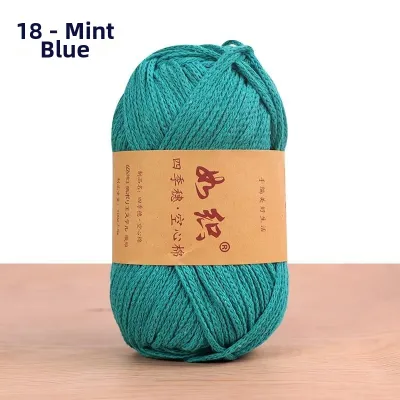
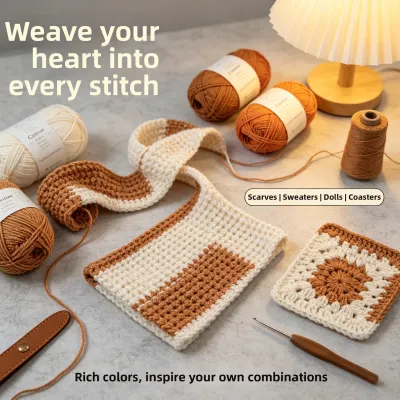
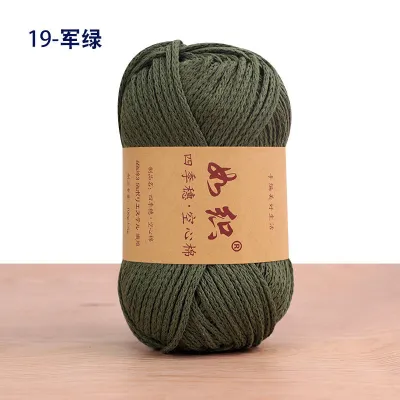
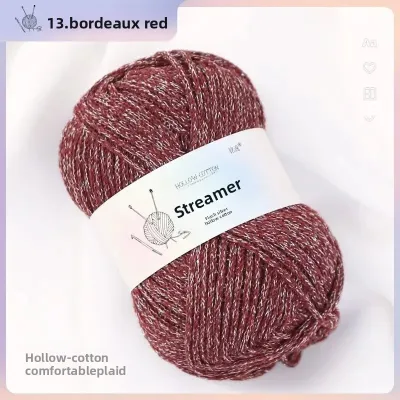
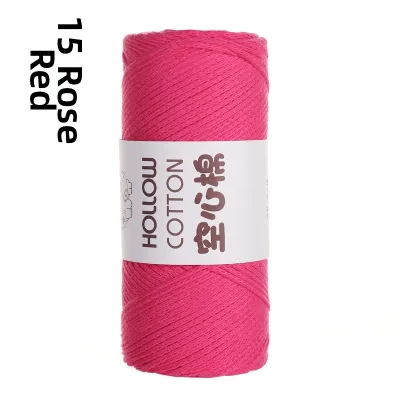
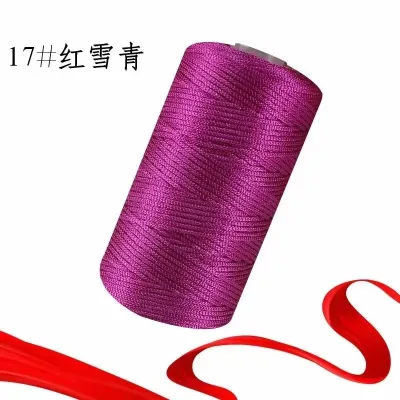
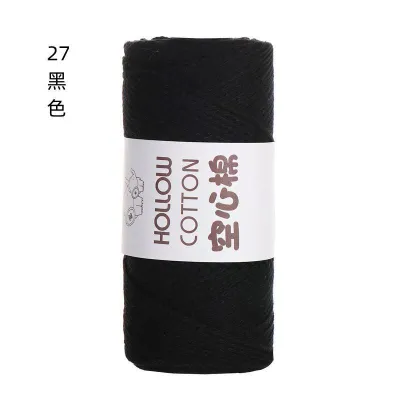
Prices are valid at publication and may change. Please refer to the product page for the latest price.
In contrast, hollow cotton yarn utilizes alternative manufacturing techniques to create an empty space or air pocket running through the center of the strand. One common method is the tubular construction, where the cotton is knitted into a very fine, miniature cord using a specialized circular knitting machine. This creates a hollow, fabric-like cylinder that is incredibly flexible.
Another popular method is chainette construction, where the yarn is formed by looping fibers into a microscopic chain-link structure, leaving significant open space within the core. A third approach is blown yarn, where fine cotton fibers are blown into a lightweight, structural mesh tube. This traps loose fibers inside a highly airy, cloud-like sheath.
By incorporating these structural voids, hollow cotton yarn traps a substantial volume of air. Because air is an excellent natural weight reducer, the yarn possesses the visual thickness of a bulky or worsted-weight yarn but carries only a fraction of the physical mass. This allows crafters to create chunky, cozy textures that do not drag or feel oppressive when worn.
How Hollow Cotton Yarn Performs: Key Properties and Limitations
The unique physical architecture of hollow cotton yarn translates directly into distinct performance traits. Understanding these characteristics allows crafters to select the right projects and set realistic expectations for the finished fabric.

Lightweight and Voluminous
Traditional cotton is notoriously heavy, often causing large-scale projects like blankets or thick sweaters to sag under their own weight. Hollow cotton yarn overcomes this limitation by offering high volume with minimal mass. A sweater made from hollow-core yarn looks substantial and cozy, yet feels remarkably light on the body, making it ideal for oversized fashion trends.
Breathability and Moisture Management
Cotton is naturally celebrated for its breathability and moisture-absorbing properties, which are highly valued in warm climates. When structured with a hollow core, these performance characteristics are amplified. The trapped air within the yarn’s core acts as a buffer, allowing air to circulate freely through the fabric to dissipate body heat and moisture rapidly.
Drape and Softness
Traditional tightly plied cotton yarns can sometimes feel stiff or rope-like, limiting their suitability for garments that require fluid movement. Hollow cotton yarn, particularly in chainette or tubular forms, exhibits a remarkably soft, pliable hand feel. Because the fibers are not tightly twisted together, they retain their natural softness and bend with minimal resistance, creating a beautiful, liquid drape.
Limitations and Vulnerabilities
Despite its many benefits, hollow cotton yarn is not a universal solution for every project, and crafters must understand its physical limitations to avoid disappointment. The open, tubular, or chainette structure means that the individual outer loops are more exposed to friction and sharp objects.
- Lower Abrasion Resistance: Because the fibers are not locked together in a tight twist, surface friction can cause the outer fibers to pill or fray more quickly than traditional cotton.
- Snagging Risks: The miniature loops of a chainette or tube can easily catch on jewelry, zippers, or rough surfaces, pulling the yarn out of shape.
- Reduced Stitch Definition: While the yarn produces a lovely, smooth surface, the airy structure tends to soften the edges of complex stitch patterns, making intricate cables or highly detailed lace look somewhat blurry.
Ideal Knitting and Crochet Projects for Hollow Cotton Yarn
Matching hollow cotton yarn to the right project ensures that its unique properties are fully utilized while minimizing its structural vulnerabilities.
Summer Garments and Lightweight Tops
In tropical climates like Singapore’s, heavy wools and dense acrylics are impractical for daily wear. Hollow cotton yarn serves as an excellent alternative for creating stylish, handmade summer garments, such as sleeveless tops, short-sleeved tees, and open-stitch cardigans. The hollow core ensures that even if you choose a slightly thicker yarn weight for a speedy project, the resulting garment will remain airy, breathable, and comfortable in humid weather.
Lightweight Blankets and Throws
Creating a hand-knitted or crocheted blanket is a major undertaking, and the physical weight of a finished cotton throw can make it difficult to wash and use comfortably. Hollow cotton yarn is the perfect solution for lightweight home textiles. It allows you to use larger needles or hooks to create a thick, plush, and visually stunning blanket that remains light enough to use as a comfortable lap throw in air-conditioned rooms.
Amigurumi and Soft Toys
Amigurumi artists often seek yarns that produce a clean, soft finish, and hollow cotton yarn can create incredibly plush, squeezable toys. However, using hollow-core yarn for stuffed toys requires specific adjustments to construction and tension.
- Tension Control: Because amigurumi requires stuffing, you must maintain a tight, consistent tension. If your stitches are too loose, the hollow yarn may stretch, allowing the polyester fiberfill stuffing to peek through the gaps. Using a hook size that is one or two sizes smaller than recommended for the yarn can help create a dense, secure fabric.
- Safety and Certifications: If the toy is intended for infants or young children, safety is paramount. Always verify that the yarn brand has reputable safety certifications, such as OEKO-TEX Standard 100, which ensures the textile is free from harmful levels of toxic chemicals and dyes. Additionally, ensure all safety eyes, limbs, and seams are securely attached, as the soft structure of hollow yarn can stretch more than solid cotton under heavy pulling.
Scarves and Shawls
Accessories worn close to the face and neck require exceptional softness to prevent skin irritation. Hollow cotton yarn excels in this category, offering a cloud-like texture that feels gentle against sensitive skin. A wide, flowing shawl crocheted or knitted in a hollow cotton yarn provides the perfect lightweight layer for transitioning between hot outdoor temperatures and chilly air-conditioned offices.
When to Avoid Hollow Cotton Yarn (and What to Use Instead)
To prevent frustration, it is important to identify projects where hollow cotton yarn is a poor fit and to choose more resilient alternatives.
High-Abrasion Items
Hollow cotton yarn should generally be avoided for items that will undergo significant physical wear, friction, or heavy loads.
- Socks: The constant friction of walking will rapidly wear down the delicate outer structure of hollow yarn, leading to holes and severe pilling. Instead, opt for a traditional, tightly spun wool-nylon blend or a reinforced, multi-ply solid cotton yarn.
- Market Bags: Heavy-duty market bags require a yarn with high tensile strength and minimal stretch. Hollow yarn will stretch excessively under weight, causing the bag to sag, and sharp corners of grocery items can easily snag the tube. A tightly twisted, mercerized solid cotton or a sturdy linen-cotton blend is a much better choice.
- Rugs: Floor rugs face constant foot traffic and dirt. Hollow cotton yarn lacks the structural resilience and density required for this application. Use a thick, solid cotton warp yarn, a sturdy wool rug yarn, or jute instead.
Highly Textured or Cabled Patterns
If your project features intricate, complex stitch work that relies on sharp contrast and deep shadows to stand out, hollow cotton yarn may disappoint you.
- Cables and Celtic Knots: The airy, slightly fuzzy nature of hollow yarn softens the edges of stitches, which can make beautiful cables look flat or undefined. For crisp, popping cables, choose a highly twisted, multi-ply solid wool, acrylic, or a smooth, mercerized solid cotton.
- Fine Lace: While simple eyelets look lovely, highly complex lace patterns with intricate decreases and yarn-overs can lose their geometric precision in a hollow-core yarn. A crisp, tightly spun lace-weight linen or mercerized cotton will hold the blocked shape of the lace far better.
Structured Garments
Some garments require a certain level of stiffness, structure, or architectural hold to look their best. Examples include tailored blazers, structured collars, or garments with crisp pleats.
- Why it Fails: The natural fluidity and soft drape of hollow cotton yarn mean it will always yield to gravity. It cannot support its own weight to create sharp angles or rigid shapes.
- Alternatives: For structured garments, look for tightly spun, multi-ply cotton yarns, linen, or fiber blends that include synthetic stabilizers like nylon or polyester, which help the fabric retain a firm, defined shape.
Tips for Working With and Caring for Hollow Cotton Yarn
Working with specialized yarn structures requires a few adjustments to your technique and care routine to ensure your finished project looks professional and lasts for years.
Tool Selection
Always begin by consulting the manufacturer’s label on your yarn skein for the recommended needle or hook sizes. When working with hollow cotton yarn, it is often beneficial to select tools that are slightly on the larger side of the recommended range. Larger needles or hooks allow the yarn’s hollow core to remain fully expanded, preserving the maximum amount of loft, airiness, and softness in the finished fabric.
Tension and Gauge
Before launching into a large project, it is highly recommended to knit or crochet a generous gauge swatch (at least 10 cm by 10 cm). This step is crucial because the elastic behavior of hollow-core yarn can differ significantly from traditional solid cotton.
- Avoid Over-Tensioning: Be mindful of your tension as you work. Pulling the yarn too tightly as you wrap it around your needles or hook will collapse the hollow core, flattening the yarn and stripping away its characteristic volume.
- Swatch Verification: Wash and block your swatch exactly as you plan to care for the finished item. This allows you to observe how the fabric relaxes, stretches, or shrinks, ensuring your final garment fits perfectly.
Managing Yarn Splitting
Because hollow cotton yarn is constructed as a delicate tube or chainette, it is highly susceptible to splitting if your tools have very sharp, pointed tips.
- Choose the Right Tips: Avoid using lace-tipped knitting needles or highly pointed crochet hooks, which can easily pierce through the side of the tubular wall instead of sliding smoothly under the stitch.
- Blunt-Tipped Tools: Opt for needles and hooks with slightly rounded or blunt tips. These tools will naturally push the hollow strand aside and slide cleanly through the stitches without snagging or splitting the outer fibers, making your crafting experience much smoother.
Care and Washing
Cotton is a durable fiber, but the delicate physical structure of hollow yarn requires gentle maintenance to prevent distortion, shrinkage, or pilling.
- Check the Label First: Always refer to the manufacturer's care instructions for specific temperature limits and washing recommendations.
- Washing Method: To preserve the loft and shape of your project, hand washing in cool or lukewarm water with a mild, pH-neutral textile detergent is highly recommended. Avoid vigorous rubbing or wringing, which can cause the outer fibers of the tube to pill or fray.
- Drying Flat: Never hang a wet hollow-cotton garment to dry, as the weight of the water will stretch the air-filled fibers out of shape permanently. Instead, gently press out excess water using a clean towel, reshape the item, and lay it flat on a drying rack in a well-ventilated area away from direct sunlight.
Frequently Asked Questions (FAQ)
Is hollow cotton yarn good for beginners?
Hollow cotton yarn can be used by beginners, but it does present a slight learning curve compared to standard, tightly twisted acrylic or wool yarns. The primary challenge for novices is the tendency of the tubular or chainette structure to split if the hook or needle tip is too sharp, which can lead to frustrating snags. Beginners can easily overcome this by using blunt-tipped tools and practicing on a simple project, such as a basic scarf or a simple garter-stitch cowl, before moving on to complex patterns. The lack of elasticity in cotton can also make maintaining an even tension slightly tricky at first, so starting with a larger needle or hook size is highly recommended to keep the stitches relaxed.
Does hollow cotton yarn shrink more than regular cotton?
Shrinkage in cotton textiles is primarily determined by the specific fiber treatment, spinning method, and washing temperature rather than the presence of a hollow core. However, because hollow cotton yarn has a more open, relaxed structure, it can sometimes experience a slight structural contraction when exposed to heat and moisture. To prevent unexpected shrinkage, always check the manufacturer’s care label for temperature limits. It is highly recommended to wash and dry your gauge swatch before starting your project; this allows you to measure any dimensional changes and adjust your pattern calculations accordingly.
Can I use hollow cotton yarn for dishcloths?
While hollow cotton yarn is highly absorbent and soft, it is generally not the most practical choice for heavy-duty kitchen dishcloths or scrubbies. The delicate tubular or chainette structure is prone to snagging on sharp kitchen utensils, and the open core can easily trap food particles and debris, making it difficult to keep hygienically clean. Furthermore, the constant friction and heavy scrubbing required for washing dishes will cause the hollow fibers to wear out and pill rapidly. For durable, long-lasting dishcloths, it is much better to choose a tightly spun, multi-ply, or mercerized solid cotton yarn that can withstand frequent hot washes and vigorous scrubbing.

Community discussion
Share your experience or ask a question. Comments are reviewed before publication.