
Hemp cloth is a highly durable, breathable, and versatile textile woven from the bast fibers of the Cannabis sativa plant. For sewing enthusiasts and makers, this natural fabric offers a unique combination of structural integrity and comfort, making it an increasingly popular choice for both garments and home textiles. Whether you are designing lightweight summer wear suited for warm, tropical climates or crafting sturdy home accessories, understanding the physical properties of hemp is the first step toward a successful sewing project.
Selecting the right fabric requires a clear understanding of how hemp behaves compared to other natural fibers. By learning how to evaluate weave density, fiber blends, and preparation techniques, you can ensure your finished creations maintain their shape, texture, and color for years to come. This guide covers everything you need to know to confidently choose, prepare, and sew with high-quality hemp fabric.
What Makes Hemp Cloth Unique: Core Characteristics
Hemp is classified as a bast fiber, which means it is harvested from the inner bark of the plant’s stalk. This origin gives the fibers a naturally long, linear structure that translates into exceptional tensile strength. Unlike synthetic alternatives, hemp fibers do not break down easily, allowing the woven cloth to withstand significant wear and tear while maintaining its structural integrity over time.
Products mentioned in this guide
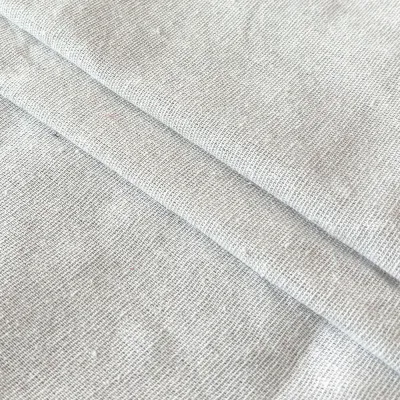
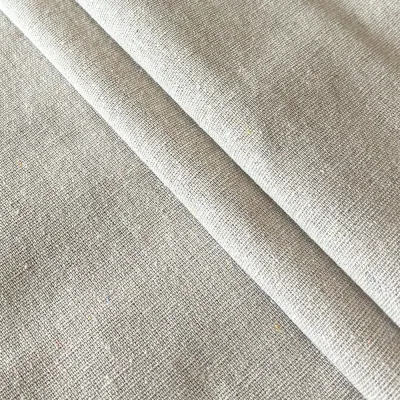
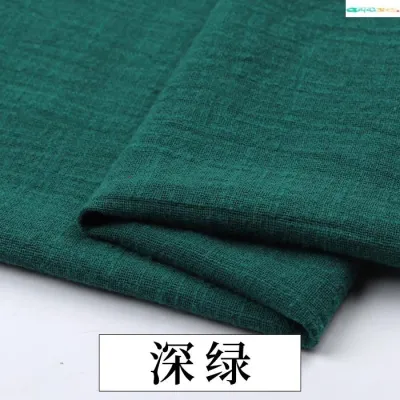
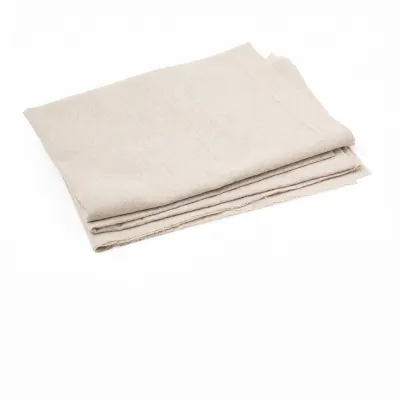
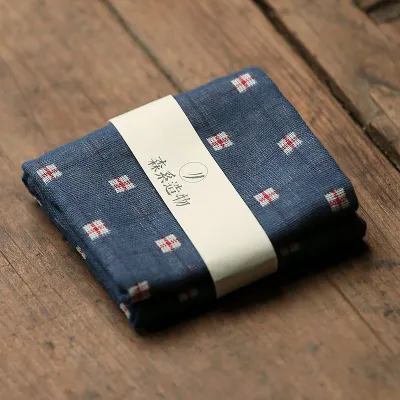
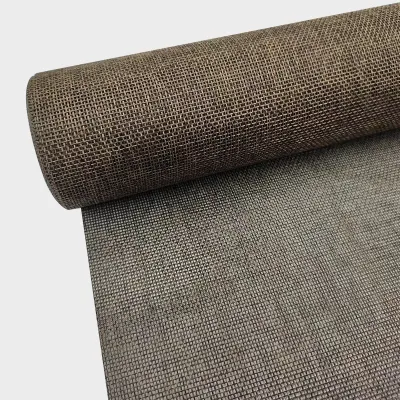
Prices are valid at publication and may change. Please refer to the product page for the latest price.
One of the most notable characteristics of hemp cloth is its outstanding breathability and moisture management. The microscopic structure of hemp fibers allows air to circulate freely, while its natural capillary action pulls moisture away from the body. This makes hemp exceptionally comfortable to wear in hot and humid environments, such as Singapore’s tropical climate, where staying cool and dry is a daily priority.
When comparing hemp to other popular natural fabrics like linen and cotton, the differences lie primarily in drape and texture. Like linen, hemp has a distinct, slightly irregular surface texture and a crisp initial drape that softens beautifully with subsequent washes. However, hemp fibers are generally longer and tougher than linen fibers, resulting in a slightly more substantial hand feel and greater resistance to abrasion. Compared to cotton, hemp is less elastic and holds its shape more rigidly, making it ideal for structured garments like trousers, utility jackets, and structured dresses.
How to Evaluate and Choose Quality Hemp Fabric
To find high-quality hemp fabric for your sewing projects, start with a close visual and tactile inspection. Hold the fabric up to a light source to evaluate the consistency of the weave. While natural variations and small slubs are characteristic of bast fibers, a quality fabric should display a uniform weave without excessive thin spots, loose threads, or irregular gaps. Gently tug the fabric diagonally to check its stability; a high-quality weave will resist excessive distortion.

Reading the fabric composition label is crucial for matching the material to your specific project goals. 100% hemp fabric offers maximum durability, breathability, and a rustic, textured aesthetic, making it excellent for structured apparel, table linens, and bags. If you prefer a softer drape or a more forgiving texture, look for hemp blends. Hemp mixed with organic cotton offers a softer feel right off the bolt, while blends featuring Tencel or silk introduce a fluid drape and a subtle sheen, perfect for delicate blouses and summer dresses.
Finally, examine the surface finish and dye quality of the fabric. High-quality hemp should feel relatively smooth to the touch, indicating that the fibers have been properly processed to remove excess stiffness. Inspect the color consistency across the entire width of the bolt, looking out for uneven streaks or patches. If you are purchasing dyed hemp, you can check for colorfastness by gently rubbing a damp, white scrap of cotton against a corner of the fabric to see if any dye transfers.
Preparing and Sewing Hemp Fabric: Best Practices
Before you lay out your pattern pieces or cut into your hemp fabric, proper pre-treatment is essential. Because hemp is a natural fiber, it is prone to shrinkage during its first wash. To prevent your finished garment from warping or shrinking out of fit, wash and dry the fabric using the exact settings you plan to use for the completed item. Always refer to the manufacturer’s care label for specific temperature limits and washing instructions.
When you are ready to sew, select your tools based on the weight and density of your chosen hemp cloth. For lightweight to medium-weight apparel fabrics, a standard universal sewing machine needle in size 80/12 or 90/14 is usually sufficient. If you are working with heavy-duty hemp canvas, switch to a sharp denim needle (size 100/16) to pierce the dense layers cleanly. Use a high-quality polyester or cotton thread, and set your machine’s stitch length to approximately 2.5mm to 3.0mm to ensure strong, flat seams.
Pressing is another critical step in achieving a professional finish with hemp. Hemp can generally tolerate high heat, but you should always verify the heat limits on the fabric’s product tag, especially if you are working with a blend. Use a hot iron with plenty of steam to press your seams open. To prevent dark fabrics from developing a shiny residue or scorch marks, press on the wrong side of the fabric or use a clean pressing cloth.
Caring for Finished Hemp Items to Maintain Quality
Proper maintenance is key to extending the lifespan of your handmade hemp items. Wash your finished garments in cool or lukewarm water using a gentle cycle. Select a mild, pH-neutral detergent to protect the natural fibers from breaking down prematurely. Avoid using chlorine bleach or commercial fabric softeners, as these chemical agents can coat the fibers, reducing the fabric’s natural breathability and moisture-wicking properties.
Drying your hemp items carefully will help preserve their texture and color. Whenever possible, line dry your garments in a shaded outdoor area or a well-ventilated indoor space. If you prefer to use a tumble dryer, select a low-heat setting and remove the items while they are still slightly damp to prevent the fibers from becoming overly stiff or brittle. Avoid leaving hemp items in direct, intense sunlight for extended periods, as this can cause uneven fading.
Storage conditions are particularly important in high-humidity regions. Store your clean, dry hemp garments in a cool, well-ventilated wardrobe. Avoid using airtight plastic storage boxes, which can trap ambient moisture and encourage the growth of mildew. Instead, opt for breathable cotton garment bags or open shelving to allow air to circulate freely around the fabric.
Frequently Asked Questions (FAQ)
Is hemp cloth itchy or rough to wear?
While raw, unwashed hemp fabric can feel somewhat stiff or crisp initially, it undergoes a natural break-in process. With each wash and wear cycle, the long bast fibers relax and soften significantly, eventually developing a comfortable, lived-in texture similar to high-quality linen. If you require immediate softness for sensitive skin, consider choosing a hemp-cotton or hemp-Tencel blend, or look for fabrics that have been pre-softened by the manufacturer.
Does hemp fabric shrink after washing?
Yes, hemp is a natural fiber and will experience some shrinkage during its initial wash. To ensure your sewing projects turn out exactly as planned, always pre-wash and dry your fabric before cutting out your pattern pieces. Following the manufacturer’s recommended washing temperatures and avoiding high-heat drying cycles will help minimize subsequent shrinkage once the garment is constructed.
Can I use hemp cloth for upholstery or heavy-duty projects?
Yes, but you must select the appropriate fabric weight for the task. While lightweight apparel hemp is not suitable for high-wear surfaces, heavy-duty hemp canvas or duck fabric is exceptionally durable and well-suited for upholstery, cushion covers, and tote bags. Always check the fabric’s weight specifications and verify its suitability for home decor projects before purchasing.

Community discussion
Share your experience or ask a question. Comments are reviewed before publication.