
The choice between hemming tape and mechanical trouser shorteners depends entirely on your priority: a seamless, semi-permanent finish or an instant, reversible adjustment. Hemming tape uses heat-activated adhesive to bond fabric layers, making it ideal for everyday trousers made of heat-tolerant materials where a clean hemline is essential. In contrast, mechanical shorteners—such as no-sew clips, adjustable buttons, or magnetic pins—physically fold and secure excess fabric without adhesives or heat. This makes them the safer, faster choice for delicate fabrics, temporary fixes, or situations where you lack ironing equipment. By evaluating your garment’s fabric care label, the required durability, and your available tools, you can select the right trousers shortener for your specific needs.
Understanding the Two Trousers Shortener Methods
To make an informed decision, it is essential to understand how each trousers shortener operates. Hemming tape is a consumable haberdashery product consisting of a thin, web-like adhesive strip. When placed between two layers of fabric and subjected to the heat and steam of a household iron, the adhesive melts, fusing the fibers together to create a flat, secure bond. This method mimics a traditional sewn hem by keeping the alteration entirely hidden inside the trouser leg.
Mechanical trouser shorteners, on the other hand, rely on physical tension and hardware to manage excess length. These reusable accessories include metal or plastic clips, magnetic pins, and adjustable button extenders that clamp or pin the folded fabric in place. Instead of altering the fabric’s structure or bonding its fibers, mechanical shorteners act as external supports. They allow you to fold the hem inward or outward and secure it instantly, making them highly versatile tools for rapid adjustments.
Products mentioned in this guide
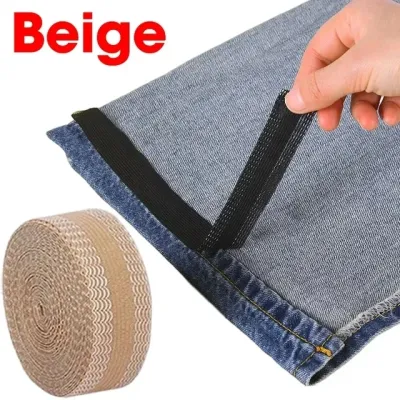
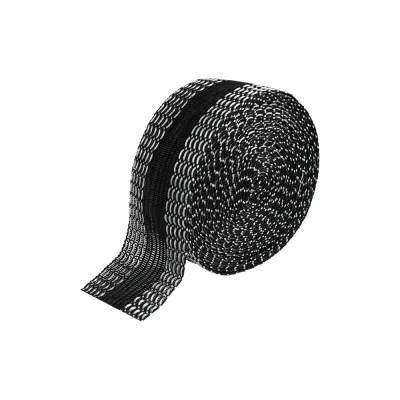
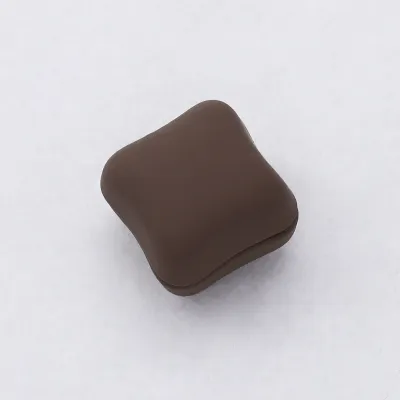
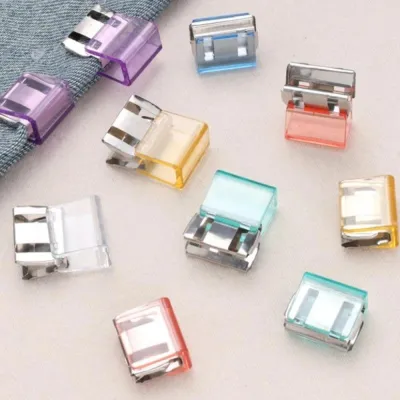
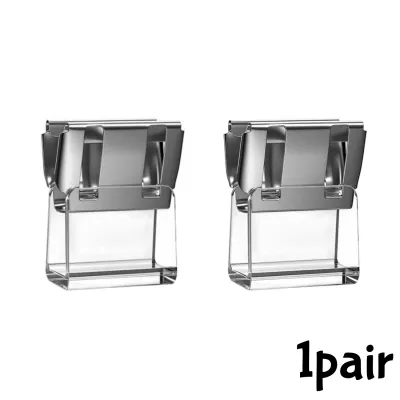
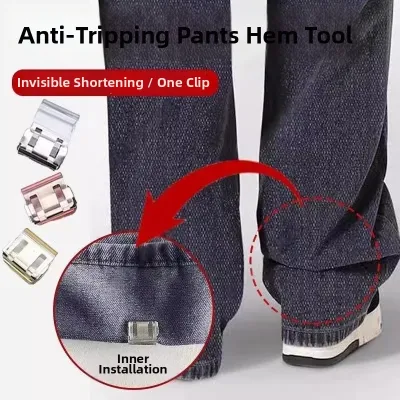
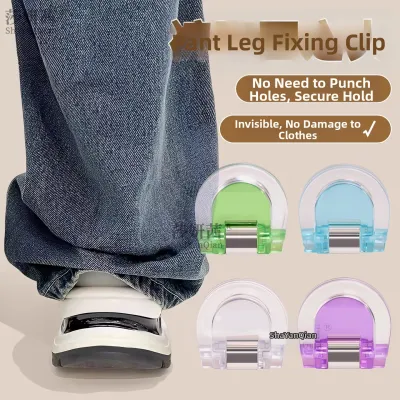
Prices are valid at publication and may change. Please refer to the product page for the latest price.
Key Comparison Factors for Trouser Shortening
Selecting the right trousers shortener requires balancing several practical performance metrics. The ideal method for a lightweight summer trouser may fail completely on heavy denim or delicate silk. To determine which product type fits your wardrobe, you must evaluate three primary dimensions: permanence, fabric safety, and application effort. Visual aesthetics and long-term washability also play critical roles, as they directly stem from these core metrics.

Permanence and Reversibility
Hemming tape provides a semi-permanent solution designed to withstand daily wear and movement. Once the adhesive is properly activated and cured, the bond remains intact through multiple wears, offering a reliable hold that mimics a professional tailor’s work. However, reversing a taped hem is not always straightforward. While some tapes can be peeled apart by reapplying heat, this process often leaves behind a sticky adhesive residue that can attract lint or stiffen the fabric. In some cases, attempting to pull the bonded layers apart can tear or distort delicate fabric fibers, making the alteration practically permanent for certain garments.
In contrast, mechanical shorteners offer complete reversibility and instant adjustability. Because they do not use chemical adhesives or heat, you can remove the fasteners at any moment to restore the trousers to their original length. This makes them exceptionally useful for multi-purpose garments, such as trousers you wear with both high heels and flat shoes. The holding strength of mechanical fasteners depends entirely on the physical grip of the clip or pin. While they do not degrade from humidity or washing, high-friction areas or vigorous movement can occasionally cause physical clips to slip or detach during wear.
Fabric Compatibility and Damage Risk
Before applying any trousers shortener, you must carefully inspect the garment’s care label for ironing symbols and fiber content. Hemming tape requires direct heat, making it highly compatible with sturdy, heat-tolerant fabrics such as cotton, linen, wool, and robust polyester blends. However, applying a hot iron to delicate or synthetic materials like silk, nylon, rayon, or acetate carries a high risk of scorching, melting, or glazing the fabric. Furthermore, heavily textured fabrics like corduroy, velvet, or chunky knits do not pair well with hemming tape, as the uneven surface prevents the adhesive web from making flat, consistent contact with the fibers.
Mechanical shorteners eliminate the risk of heat damage entirely, making them the preferred choice for delicate or heat-sensitive fabrics. However, they introduce physical risks that you must monitor. Tight metal clips, sharp pins, or heavy magnetic fasteners can leave temporary indentations, crease marks, or small pinholes in tightly woven or fragile fabrics like satin and fine wool. If left in place for extended periods under tension, these physical fasteners can stretch or snag the yarns, leading to localized fabric distortion. For heavy fabrics like thick denim or canvas, some mechanical clips may lack the jaw capacity or grip strength to hold the thick folds securely without slipping.
Ease of Use and Application Time
The application process for hemming tape requires a dedicated workspace and several tools, including a household iron, an ironing board, a measuring tape, scissors, and a pressing cloth. Achieving a professional finish demands patience and a steady hand. You must measure the desired length, fold the fabric evenly, insert the tape precisely between the layers, and apply steady heat and pressure for a specified duration. A minor misalignment can result in a crooked hemline, requiring you to reheat and adjust the bond before the adhesive cools and sets.
Mechanical shorteners offer a tool-free, rapid alternative that is ideal for on-the-go adjustments or emergency repairs. Applying these fasteners typically takes only a few minutes, as you simply fold the excess fabric and clip or pin it in place. This speed makes them highly convenient when traveling or preparing for an event. However, this convenience comes with an aesthetic trade-off. While hemming tape remains completely invisible from the outside, mechanical fasteners can sometimes create visible bulk, unnatural folds, or exposed hardware along the hemline. This can disrupt the natural drape of the trousers, particularly on lightweight fabrics that require a fluid, uninterrupted silhouette.
Decision Framework: Which Trousers Shortener Should You Buy?
To finalize your purchase decision, use this structured framework to match your specific garment and situational needs to the correct product type.
- Choose hemming tape if:
- You require a completely invisible, clean hemline for formal wear, business suits, or everyday trousers.
- The trouser fabric is heat-tolerant (such as cotton, wool, or polyester) and can safely withstand ironing.
- You want a semi-permanent alteration that stays secure through multiple wears without needing daily adjustments.
- You have access to a flat pressing surface, a reliable household iron, and the time to measure and press the hem carefully.
- Choose mechanical shorteners if:
- The trousers are made of delicate, heat-sensitive, or highly textured fabrics that cannot tolerate iron heat.
- You need a temporary, fully reversible adjustment to wear the same trousers with different shoe heights.
- You require an instant, tool-free solution for travel, emergency repairs, or quick styling changes.
- You prefer a reusable accessory that can be easily transferred from one pair of trousers to another.
- Verify first if:
- The garment features specialized finishes, such as waterproof coatings or stain-resistant treatments, which can prevent hemming tape adhesives from bonding.
- The fabric is dry-clean-only; some dry-cleaning solvents can dissolve or weaken hemming tape adhesives, while mechanical fasteners must always be removed before professional cleaning.
- The weight of the fabric matches the physical capacity of the shortener, ensuring the tape is strong enough for heavy fabrics or the clips are gentle enough for light ones.
Application and Maintenance Guidelines
To ensure your chosen trousers shortener performs reliably and does not damage your garments, follow these practical application and maintenance steps.
For hemming tape, preparation is critical for a lasting bond. Always ensure the fabric is clean, dry, and completely free of lint, dust, or fabric softener residue, which can interfere with adhesive adhesion. Because the final bond strength, stiffness, and potential for adhesive bleed-through depend entirely on the exact combination of the tape adhesive and the fabric fibers, always perform a small, observable trial. Apply a tiny piece of the tape to an inconspicuous inner seam or a scrap piece of matching fabric first. Check if the adhesive bleeds through to the right side of the fabric or if it makes the hem excessively stiff. For safety when working with heat-activated adhesives, use a damp pressing cloth between the iron and the fabric to prevent scorching, ensure your workspace is well-ventilated if the adhesive emits a mild scent when heated, and handle the hot iron with care to avoid burns.
For mechanical shorteners, regular inspection prevents garment damage and loss of the fastener. Always check the security of the grip or pin before leaving the house, ensuring the fastener is clamped tightly to prevent it from slipping off during movement. You must remove all mechanical clips, pins, or magnetic fasteners before placing the trousers in a washing machine or dryer. Leaving them attached can cause severe snagging, tear the fabric during the spin cycle, or damage the washing machine drum and the fastener itself.
Establish clear stop conditions for both methods. Stop using hemming tape immediately if you observe the adhesive peeling, the hem becoming brittle and stiff, or the glue bleeding through and staining the fabric. For mechanical shorteners, discontinue use if the clips slip constantly, distort the natural drape of the trouser leg, or leave deep, non-reversible stress marks and fiber distortions on the fabric.
Frequently Asked Questions (FAQ)
Can hemming tape survive regular machine washing?
Whether hemming tape can survive regular machine washing depends entirely on the specific product’s adhesive formulation and the manufacturer’s guidelines. Some heavy-duty hemming tapes are designed to withstand standard laundry cycles, while lighter utility tapes may dissolve or peel after a single wash. To prolong the life of a taped hem, always check the product packaging for maximum wash temperature limits. It is highly recommended to wash altered trousers using gentle cycles, cold water, and mild detergents. Avoid high-temperature washes, fabric softeners, and high-heat tumble drying, as excessive heat and chemical additives can break down the adhesive bond over time, causing the hem to unravel.
Will mechanical trouser shorteners damage the fabric over time?
While mechanical trouser shorteners avoid the risks associated with heat and chemical adhesives, prolonged or improper use can still cause physical wear and tear on certain fabrics. Constant pressure from tight metal clips or the insertion of sharp pins can leave permanent creases, localized fiber stretching, or small holes, especially on delicate, loosely woven, or easily snagged materials like silk, linen, and fine knits. To minimize this risk, avoid leaving mechanical fasteners attached to your trousers during long-term storage. It is best to reposition the fasteners slightly between wears to distribute the physical stress, and always choose clips with padded or smooth gripping surfaces to protect fragile fibers from excessive pinching.

Community discussion
Share your experience or ask a question. Comments are reviewed before publication.