
Choosing the right fabric tape depends entirely on the structural needs, edge shape, and fabric type of your sewing project. While hem tape, bias tape, and seam binding all finish fabric edges, they serve completely different purposes. Hem tape provides a quick, often invisible way to secure straight hems; bias tape stretches to wrap smoothly around curved edges; and seam binding stabilizes straight seams and finishes raw interior edges. Selecting the wrong tape can result in stiff, puckered seams or hems that fail after a single wash.
Diagnose Your Project: What Does the Fabric Tape Need to Do?
Before selecting a fabric tape, examine the shape of the edge you need to finish. Straight edges are highly stable and can handle non-stretch tapes or fusible adhesives. Curved edges, such as those found on necklines, armholes, or rounded pockets, require a tape with built-in flexibility to follow the curve without puckering or bunching up.
Next, determine the desired visual finish of your project. If you want an invisible hem with no visible stitching on the outside of the garment, a fusible adhesive tape is the appropriate choice. If you want to enclose a raw edge with a clean, visible border or a contrasting decorative accent, a folded fabric tape is much better suited for the task.
Products mentioned in this guide
![[Louis Adhesive Tapes] Louis Cloth Tapes (7 Colours!) 24MM/36MM/48MM Width **ORIGINAL**(SG Agent)](https://img.lazcdn.com/g/p/db405b51661b7cb49d5c3604cb222054.jpg_400x400q80.jpg_.webp)
Prices are valid at publication and may change. Please refer to the product page for the latest price.
Finally, assess the weight, drape, and stretch of your base fabric. Lightweight fabrics like silk or chiffon require delicate, lightweight tapes that will not add bulk or stiffness. Heavy fabrics like denim or canvas need robust support, while stretchy knit fabrics require specialized flexible tapes that can expand and contract without cracking or popping.
Hem Tape: When to Use It for Hems and Quick Fixes
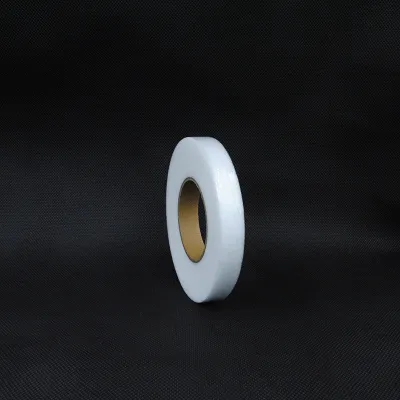
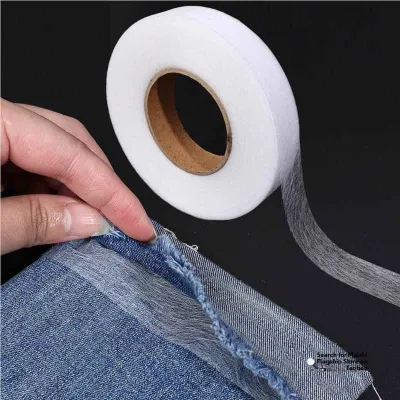
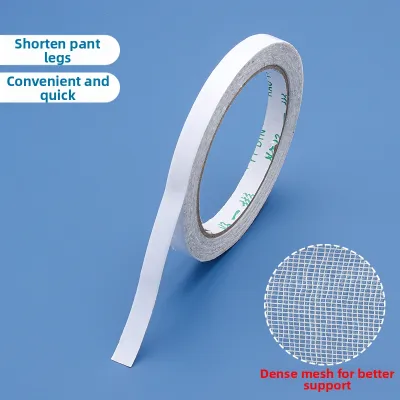
Hem tape is a popular choice for creating clean, stitch-free hems on straight edges. It is particularly useful for lightweight to medium-weight woven fabrics, such as cotton, linen, or polyester blends, where a visible line of stitching might disrupt the clean look of the garment. It allows you to secure a hem quickly without setting up a sewing machine.

Many hem tapes are fusible, meaning they contain a heat-activated adhesive that bonds the fabric layers together when pressed with an iron. Before applying a fusible tape, always check the care label of your base fabric to ensure it can withstand the heat and steam required for activation. Delicate synthetics can melt under high heat, so a low-temperature test on a scrap piece is essential.
Standard fusible hem tape is not a universal solution and has clear limitations. It lacks the flexibility needed for stretchy knit fabrics and can crack or peel when pulled. Additionally, heavy fabrics like thick denim or heavy wool often exert too much tension for a simple adhesive bond, causing the hem to fail over time. For high-stress areas or heavy garments, traditional stitched hems remain more reliable.
Bias Tape: When to Use It for Curves and Edge Binding
Bias tape is cut on a 45-degree angle to the fabric’s grainline, known as the bias. This diagonal cut gives the woven fabric a unique mechanical stretch and flexibility, allowing it to curve smoothly around contoured edges without puckering or bubbling. This makes it fundamentally different from tapes cut along the straight grain.
This flexibility makes bias tape indispensable for finishing curved edges like necklines, armholes, bibs, and placemats. It is designed to wrap around raw edges, enclosing them completely to prevent fraying while adding a clean, finished border. You can use it as a decorative contrast element on the outside of a garment or fold it completely to the inside for an invisible facing.
When purchasing bias tape, you will encounter single-fold and double-fold varieties. Single-fold bias tape has its raw edges folded toward the center on one side, making it ideal for flat facings and decorative trims. Double-fold bias tape is folded in half again, allowing you to easily sandwich a raw fabric edge inside the tape and stitch it down in one step. Ensure the tape width matches the thickness of your fabric to avoid bulky, uneven edges.
Seam Binding: When to Use It for Stabilizing and Seam Finishes
Seam binding is a lightweight, woven ribbon designed primarily to finish raw seam allowances and stabilize straight seams. Unlike bias tape, seam binding is woven on the straight grain, meaning it has virtually no stretch. This stability is its greatest strength, making it perfect for reinforcing areas that experience constant tension.
When sewing garments, straight seams like shoulder lines, waistlines, and pocket openings are prone to stretching out of shape over time. Sewing a strip of seam binding directly into these seams locks the fabric in place, preserving the garment’s original structure and fit through repeated wear and washing. It acts as a structural anchor inside the garment.
Seam binding is also used to wrap raw seam allowances inside unlined jackets, coats, and skirts. This technique protects the raw edges from fraying while keeping the inside of the garment exceptionally neat and smooth against the skin. Because it is thin and lightweight, it prevents the seam allowances from creating bulky ridges that show through on the outside of the garment.
Selection Checklist: Matching the Right Tape to Your Fabric
To achieve a professional finish, always match the weight and drape of your fabric tape to your main fabric. A heavy, stiff tape applied to a delicate silk fabric will cause the garment to drape awkwardly and look distorted. Conversely, an ultra-lightweight tape will not provide enough support for a heavy linen or wool fabric.
Cross-check the care instructions of both the tape and your fabric. If your garment is machine-washable, ensure the fabric tape can withstand the same water temperature and agitation. For fusible tapes, verify that the adhesive is rated for dry cleaning if you plan to dry clean the finished item, as some adhesives dissolve when exposed to dry cleaning solvents.
Before applying any fabric tape to your final project, perform a test run on a scrap piece of your project fabric. This step allows you to verify the adhesive bond strength of fusible tapes, check for any adhesive bleed-through on thin fabrics, and observe how the tape affects the overall flexibility and drape of the material.
Frequently Asked Questions (FAQ)
Can I use hem tape on stretchy or knit fabrics?
Standard fusible hem tape is generally not recommended for stretchy or knit fabrics because it creates a rigid, non-stretchable bond. When the knit fabric stretches during wear, the rigid adhesive line will restrict the movement, causing the fabric to pucker, or the bond to crack and pop. If you must use an adhesive on knits, look for specialized stretch-fusible tapes designed to expand and contract with the fabric, or opt for a mechanical stretch stitch like a zigzag or twin-needle stitch.
Is seam binding the same as twill tape?
No, seam binding and twill tape serve different purposes and have distinct physical characteristics. Seam binding is lightweight, thin, and often made of rayon or polyester with a smooth, flat weave, making it ideal for finishing delicate interior seams without adding bulk. Twill tape is much heavier and thicker, featuring a characteristic diagonal twill weave. It is designed for high-stress reinforcement, such as stabilizing heavy waistbands, creating drawstring casings, or reinforcing utility gear.

Community discussion
Share your experience or ask a question. Comments are reviewed before publication.