
Selecting the right tape for pants is essential to achieving a professional finish, ensuring structural integrity, and extending the lifespan of your garments. Different parts of a pair of pants—such as the waistband, the hem, and the pocket openings—experience distinct types of physical stress and movement. Consequently, no single haberdashery tape can serve every purpose. Choosing the correct tape requires evaluating the weight of your fabric, the amount of stretch needed, and whether a fusible adhesive or a sewn-in application is most appropriate for your specific project.
By matching the tape’s properties to the specific demands of each garment section, you prevent common sewing issues like puckering, sagging, and premature wear. Whether you are tailoring a pair of structured trousers or repairing casual linen trousers, understanding the characteristics of various haberdashery tapes will help you make informed decisions at the cutting table.
Key Criteria for Choosing Haberdashery Tape
Before purchasing tape for pants, you must establish baseline checks for material compatibility, stretch, and application method. The primary rule of haberdashery is to match the weight and drape of the tape to the pant fabric. Applying a heavy, stiff tape to a lightweight linen or silk fabric will cause the seam to pull, distort, and drape unnaturally. Conversely, a flimsy tape will fail to support heavy denim, canvas, or thick wool, leading to structural failure under tension.
Products mentioned in this guide
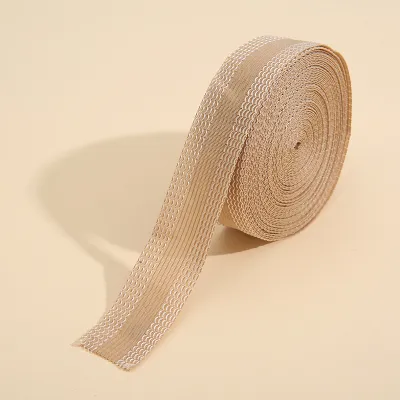
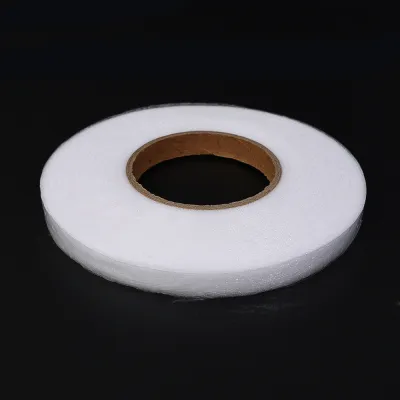
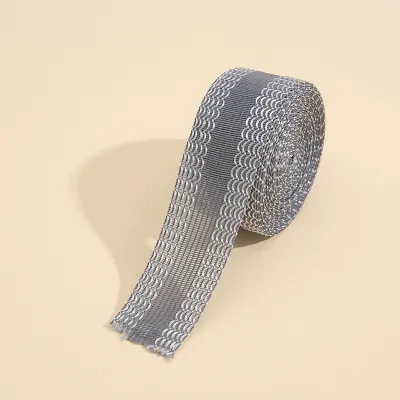
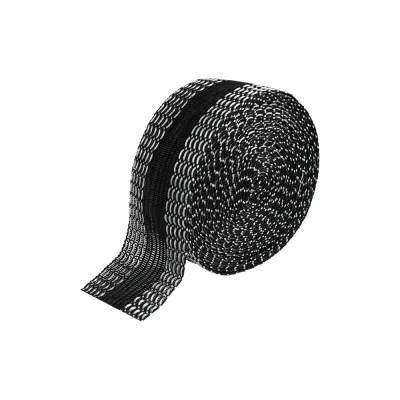
Prices are valid at publication and may change. Please refer to the product page for the latest price.
Another critical decision is choosing between fusible (iron-on) and sew-in tapes. Fusible tapes rely on heat-activated adhesives to bond with the fabric fibers. They are excellent for quick repairs, stabilizing straight edges, and preventing fraying on fabrics that tolerate heat. However, they can add a layer of stiffness and may eventually lift after repeated laundering. Sew-in tapes, such as woven twill or bias tape, preserve the natural hand and drape of the fabric, offering a permanent, flexible bond that withstands high-temperature washes and heavy wear.
Always check the care labels of both your garment fabric and the tape before application. If your pants require dry cleaning, the tape and any adhesives used must be dry-clean compatible. For machine-washable garments, ensure the tape’s fiber content matches the washing and drying temperature limits of the main fabric to prevent uneven shrinkage or adhesive degradation over time.
Choosing Tape for Waistbands
Waistbands require structural support to maintain their shape, prevent rolling, and support the weight of the pants without collapsing. For tailored trousers, specialized waistband stiffening tapes—often referred to as waistbanding or shirting inserts—provide a crisp, firm structure. These tapes are typically multi-layered, sometimes featuring non-slip rubberized threads to keep tucked-in shirts in place. For casual or athletic pants, non-roll elastic tape is preferred, as it provides flexibility while resisting the tendency to twist inside the casing.

When selecting waistband tape, measure your pattern’s finished waistband width and seam allowances carefully. The tape should fit precisely within the waistband fold without overlapping the seam lines, which would create unnecessary bulk. Standard waistband tapes are available in widths ranging from 25mm to 40mm; choosing a width that matches your pattern ensures a clean, professional finish without bunching.
Pay close attention to the edge finish of the tape. If the tape will be exposed on the inside of the garment, choose a tape with finished, soft edges, such as Petersham ribbon, which can be curved with an iron to match the contour of a contoured waistband. Raw-edged utility tapes must be fully enclosed within the waistband facing to prevent skin irritation, scratching, or fraying during wear.
Selecting Tape for Hems and Cuffs
Hems and cuffs require finishes that protect the fabric edges from abrasion while maintaining a clean, flat appearance. Fusible hem tapes are highly popular for quick, stitch-free repairs and clean, blind hems on straight-leg trousers. These heat-activated adhesive webs melt between the hem allowance and the pant leg, securing the fold. However, for long-term durability and high-stress garments, sew-in options like bias tape or woven hem facings are superior, as they do not dry out or peel over time.
The shape of the pant leg dictates the type of tape you should use. Straight-leg pants can easily accommodate straight, non-stretch fusible tapes. Tapered, flared, or wide-leg pants, however, require a tape that can conform to curves. Woven bias tape is ideal for curved hems because its diagonal grain allows it to stretch and mold to the shape of the leg opening without puckering or creating bulk.
Always verify that the tape or adhesive will not show through to the right side of the fabric. Lightweight, light-colored, or tightly woven fabrics are highly susceptible to “ghosting,” where the outline of the tape or the texture of the adhesive is visible from the outside. For these delicate fabrics, opt for ultra-fine, lightweight fusible webs or hand-sewn bias facings that distribute the weight evenly without creating hard ridges.
Reinforcing Pockets and Stress Points
Pocket openings, fly guards, and utility loops are subject to constant pulling and friction, making them prime candidates for structural reinforcement. For these high-stress areas, decorative ribbons like satin or polyester grosgrain are unsuitable because they lack the necessary tensile strength and can slip or fray. Instead, select tightly woven cotton or linen twill tape. The characteristic diagonal weave of twill tape provides exceptional strength and stability while remaining thin enough to lay flat.
To prevent bulky ridges that can ruin the silhouette of your pants, select a narrow tape width, typically between 6mm and 12mm. This narrow profile allows you to position the tape directly within the seam allowance of the pocket opening. By sewing the tape into the seam line, you anchor the stress point directly to the garment’s structural framework, preventing the pocket from sagging or tearing away from the pant body.
When planning your application, align the tape along the grainline of the pocket opening before stitching. For pocket openings cut on the bias, applying a stable, non-stretch twill tape acts as a stay-tape, preventing the fabric from stretching out of shape during wear and washing. Ensure the tape is stitched securely but without tension to avoid puckering the exterior fabric.
Pre-Application Checks and Care Verification
To ensure your selected tape performs reliably throughout the life of the garment, you must perform several pre-application checks. Cotton and linen tapes are prone to significant shrinkage during their first wash. Always pre-wash and pre-shrunk your sew-in tapes and fabrics before cutting and construction. Failing to do so can result in puckered seams and distorted hemlines after the first laundering cycle.
When working with fusible tapes, always conduct a test application on a scrap piece of your pant fabric first. This test allows you to verify the adhesive strength and adjust your iron’s temperature, steam, and pressure settings according to the manufacturer’s instructions. A scrap test also reveals whether the heat required to activate the adhesive will scorch, melt, or leave a permanent shine on your fashion fabric.
If you are working with highly delicate, heavily textured, or structured fabrics—such as velvet, fine silk, or heavily beaded materials—the risk of damage from heat or improper stitching is high. In these cases, or if the garment requires complex tailoring beyond your current skill level, it is best to stop and consult a professional tailor. They can provide specialized advice or perform the reinforcement using professional-grade equipment and techniques.
Frequently Asked Questions (FAQ)
Can I use the same tape for the waistband, hem, and pockets?
Using the same tape for all three areas is generally not recommended because each section has distinct structural requirements. Waistbands need stiff, wide tapes to prevent rolling and support the waist structure. Hems require flexible, lightweight tapes that allow the fabric to drape naturally and conform to the curve of the leg. Pockets and stress points require narrow, high-tensile, non-stretch tapes to reinforce seams without adding bulk. Using a single tape type will likely result in a waistband that collapses, a hem that is too stiff, or pockets that tear easily.
How do I remove fusible hem tape if I make a mistake?
To remove fusible hem tape, you must carefully reactivate the adhesive using heat. Place a damp pressing cloth over the hem area and apply a hot steam iron for several seconds to soften the bond. Gently peel the fabric layers apart while they are still warm, taking care not to stretch or tear the fibers. If adhesive residue remains on the fabric, check the garment’s care label before applying any commercial adhesive-remover solvents. Always test the solvent on an inconspicuous area first to ensure it does not discolor or degrade the fabric.
Community discussion
Share your experience or ask a question. Comments are reviewed before publication.