
Choosing the right thickness for High-Density Polyethylene (HDPE) shipping bags is essential for protecting products during transit. Measured in microns, the ideal thickness depends on the weight, shape, and fragility of your items. Generally, 30 to 45 microns works well for lightweight, soft goods like apparel. Standard e-commerce parcels containing boxed items require 50 to 60 microns, while heavy-duty or sharp items need 70 to 80 microns to prevent punctures. Selecting the correct thickness ensures your products arrive intact while keeping packaging costs and material waste to a minimum.
Understanding Micron Measurements for HDPE Shipping Bags
A micron, or micrometer, is the standard unit of measurement used to define the thickness of plastic films, including High-Density Polyethylene (HDPE). In the packaging industry, this measurement directly correlates with the amount of raw material used to manufacture the bag. Understanding this metric is crucial for businesses looking to optimize their shipping workflows and protect their bottom line.
As the micron count increases, the plastic film becomes thicker, which generally enhances its tensile strength and resistance to stretching. However, a higher micron rating does not automatically guarantee superior performance. The overall durability of an HDPE bag also depends heavily on the quality of the base resin and the manufacturing process. If a manufacturer uses low-grade or poorly blended resins, a thicker bag may still fail under stress compared to a slightly thinner bag made from high-quality, virgin HDPE.
Products mentioned in this guide
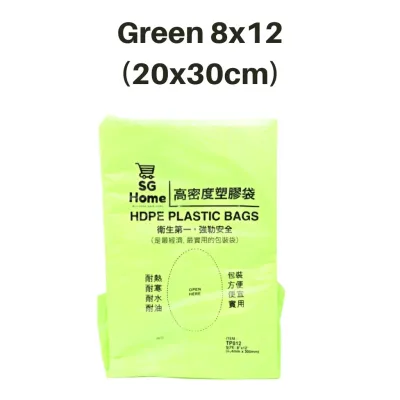
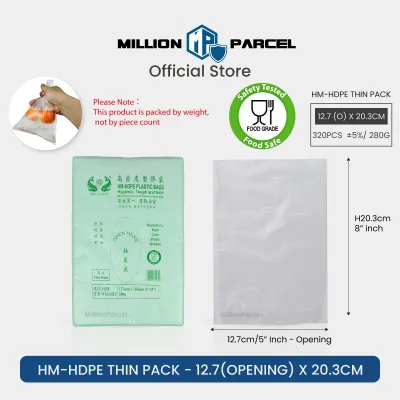
Prices are valid at publication and may change. Please refer to the product page for the latest price.
When sourcing shipping bags, locate thickness specifications on the manufacturer’s technical data sheets or product labels. These documents often list the nominal thickness in microns alongside other physical properties like tensile strength. It is important to review these specifications holistically rather than focusing solely on the micron number. Relying exclusively on thickness can lead to overpaying for heavy materials that do not offer real-world benefits. Instead, look for suppliers who provide comprehensive material specifications and clear guidelines on the intended weight capacity of their bags.
Matching Bag Thickness to Your Shipping Items
Selecting the right HDPE bag thickness requires a clear understanding of the items you intend to ship. Different product categories exert varying levels of physical stress on the packaging material during transit. By matching the bag’s micron rating to your specific inventory, you can ensure adequate protection without inflating your shipping costs.

Light-duty applications are ideal for thin HDPE films, typically ranging from 30 to 45 microns. This thickness is highly suitable for shipping soft, lightweight, and non-fragile items such as apparel, textiles, plush toys, or documents. Because these items do not have sharp edges and do not exert outward pressure on the bag’s seams, they do not require the structural support of a thicker plastic film.
Medium-duty applications require a step up in thickness, generally falling between 50 and 60 microns. This range represents the standard for most e-commerce parcels, including boxed goods, footwear, books, and bundled cosmetics. These items have defined shapes that can put moderate stress on the corners of the bag during handling. A medium-duty film provides the necessary balance of flexibility and tear resistance to withstand the friction of automated sorting belts and courier transport.
Heavy-duty applications demand thick HDPE films of 70 to 80 microns or more. This category is essential for shipping items with sharp corners, rigid structures, or significant weight, such as hardware, tools, mechanical parts, or heavy books. Thicker films are much more resilient against punctures and edge blowouts, which can occur when a heavy item shifts inside the package. Do not rely solely on micron estimates to determine if a bag can support a heavy load; always verify the manufacturer’s stated weight limits.
Other Specifications That Affect Shipping Durability
While film thickness is a primary factor in packaging durability, several other design elements play a critical role in ensuring your shipments arrive safely.
The seal strength and flap design are just as important as the film itself. The adhesive strip on the closure flap must be wide enough and use a high-tack adhesive to create a permanent bond that cannot be easily peeled open during transit. In warm, humid climates like Singapore, high humidity can affect adhesive performance over time, making a high-tack, moisture-resistant seal even more critical to prevent bags from peeling open in transit.
Bag dimensions and the presence of gussets also influence how stress is distributed across the material. Overstuffing a flat bag stretches the plastic near the seams, making it highly vulnerable to tearing. Choosing a bag with a bottom or side gusset allows the package to expand naturally around bulky items, reducing localized tension on the film and preventing premature failures.
Material composition is another variable to consider, particularly when choosing between virgin HDPE and recycled content blends. Virgin HDPE offers consistent molecular structure and predictable performance, whereas recycled blends may contain microscopic impurities that create weak spots in the film.
How to Test and Verify Bag Durability Before Buying
Before committing to a bulk purchase of HDPE shipping bags, it is highly recommended to conduct a series of simple, practical tests on sample batches.
Begin with a visual and tactile inspection of the sample bags. Hold the film up to a light source to check for uniform thickness, looking out for thin spots, cloudy streaks, or bubbles that indicate manufacturing defects. Run your fingers along the side seams and the bottom seal to ensure they are smooth, continuous, and free of weak points or micro-tears.
Next, perform a practical load test by packing the bag with your heaviest or sharpest items. Observe how the plastic behaves under tension; look for excessive stretching, deformation around corners, or stress whitening near the seams. To simulate the physical impacts of courier handling, conduct a controlled drop test. Drop the packed sample bag from a standard table height onto a hard surface several times, varying the angle of impact.
If the sample bags fail any of these basic tests, exhibit inconsistent sealing, or if the supplier cannot provide clear technical specifications, halt the evaluation.
Frequently Asked Questions (FAQ)
Can I use a thinner HDPE bag if I add an inner bubble wrap layer?
Adding an inner layer of bubble wrap provides excellent cushioning against impacts, but it does not fully compensate for an overly thin outer shipping bag. If the outer bag is too thin, it can easily tear when it catches on sorting machinery or rubs against other parcels, exposing the inner packaging. To maintain the structural integrity of your shipment, it is best to pair internal cushioning with a bag that meets the minimum recommended thickness for the overall weight of the parcel.
How does HDPE compare to LDPE for shipping bag thickness?
High-Density Polyethylene (HDPE) and Low-Density Polyethylene (LDPE) have distinct physical properties that affect how they perform at various thicknesses. HDPE is a denser, more rigid material that feels crinkly to the touch and offers high tensile strength, allowing it to resist stretching under heavy loads. In contrast, LDPE is softer, highly flexible, and more stretchable, making it highly resistant to punctures from sharp objects but more prone to tearing under heavy weight.

Community discussion
Share your experience or ask a question. Comments are reviewed before publication.