
Selecting the correct gift box size is essential for protecting the item, minimizing excess packaging materials, and creating a polished unboxing experience. A box that is too small risks damaging the contents, while one that is too large allows items to shift and look poorly presented. Finding the ideal balance requires understanding how to measure your gifts, account for protective cushioning, and select structural designs that match the weight and fragility of your items. By taking a systematic approach to dimensions, you can ensure your gifts arrive safely and look professional upon arrival.
In the world of gift presentation, the box serves as both the first impression and the primary shield. Whether you are preparing a delicate piece of jewelry, a folded cashmere sweater, or a curated corporate hamper, the dimensions of your packaging dictate how well the contents survive transit and how they are perceived by the recipient. A well-fitted box shows attention to detail and care, whereas an oversized box filled with excessive plastic peanuts can feel impersonal and wasteful. This guide walks you through the practical steps of measuring your items, accounting for protective padding, and matching dimensions to common gift categories to ensure a secure fit every time.
How to Measure Your Item and Calculate Required Space
To find the ideal gift box packaging, you must start with precise measurements of the item you intend to pack. Use a rigid metal tape measure or a firm ruler rather than a flexible sewing tape, as soft tapes can sag and lead to inaccurate, slightly smaller readings. Place the item on a flat surface and measure its three primary dimensions: length (the longest side from left to right), width (the front-to-back distance), and height (the vertical distance from the base to the highest point). Always round your measurements up to the nearest millimeter to ensure you do not purchase a box that is too tight.
Products mentioned in this guide
![[SG Stock] 礼品盒Magnetic Gift Box | Solid Hard Large Gift Box with Ribbon For Mother s Day / Valentines Gift Packaging](https://img.lazcdn.com/g/p/5e5003d632dce3e647372c2e54605522.png_400x400q80.png_.webp)
![[CLEARANCE] Macaron Colored Corrugated Box / Pizza box / aeroplane box / gift box / mystery box](https://img.lazcdn.com/g/p/bc17ee2d7440f1940e205ed80b16bfa0.jpg_400x400q80.jpg_.webp)
Prices are valid at publication and may change. Please refer to the product page for the latest price.
When dealing with irregularly shaped items, such as a ceramic figurine with protruding arms, a bottle of artisanal syrup, or a handmade sculpture, standard measurements can be deceptive. For these objects, imagine the item is enclosed inside a tight, invisible rectangular block. Measure the absolute widest, longest, and tallest protruding points of this imaginary block. This ensures that every part of the item, including handles, spouts, or decorative extensions, will fit comfortably inside the box walls without pressing directly against the cardboard.
Once you have the maximum dimensions of the item, you must calculate the necessary internal clearance. Never choose a box with internal dimensions that exactly match your item’s measurements, as this leaves no room for protective padding or easy insertion. As a general rule, add a clearance allowance of at least 10 to 15 millimeters to the length, width, and height of your item for lightweight, non-fragile goods. For fragile or heavy items that require thick cushioning, increase this clearance to 25 to 50 millimeters on all sides to accommodate protective materials.
Additionally, consider the orientation of the item inside the box. Some items must remain upright, such as liquids, candles, or items with delicate top-heavy decorations. In these cases, the height of the box must be carefully calculated to ensure the item cannot tip over during handling. If the item can be laid flat, you can explore wider, shallower box designs which often provide a more dramatic and visually appealing presentation when the lid is lifted.
Matching Box Dimensions to Common Gift Categories
Different types of gifts have distinct structural and spatial requirements, making it helpful to categorize your items before selecting your gift box packaging. Small items like jewelry, watches, and delicate accessories require snug, compact boxes with minimal internal movement. A box that is too spacious can cause a necklace or ring to slide around, potentially causing tangles or scratches. For these items, look for shallow boxes with pre-fitted foam or velvet inserts that hold the piece securely in place, keeping the presentation neat and focused.

Foldable items such as apparel, textiles, and leather goods require flat, wide dimensions that prevent excessive creasing. When packaging a shirt, scarf, or blanket, fold the item to its neatest presentation size and measure the folded dimensions. Choose a shallow, rectangular box—often referred to as a shirt box—that matches these folded dimensions closely. This flat profile keeps the fabric pressed gently against the top and bottom of the box, maintaining the fold and preventing the garment from bunching up during transport.
Fragile items like electronics, glassware, ceramics, or delicate cosmetics require extra depth and width to allow for adequate cushioning on all sides. These items must never touch the outer walls of the box, as any external impact can transfer directly to the product. Select a box that provides a generous buffer zone around the item, allowing you to wrap the product in multiple layers of bubble wrap or nestle it deeply within a thick bed of shredded paper or custom-cut foam.
Bulky items or multiple products grouped together, such as food hampers, corporate gift sets, or wellness kits, require high volume and high structural weight capacity. These arrangements need deep, sturdy boxes made from heavy-duty paperboard or corrugated cardboard to support the combined weight. When planning a hamper, arrange the items on a table in their desired layout, measure the total footprint of the arrangement, and select a deep box or basket style that can support the weight without sagging or tearing at the base.
For specialized items like books, stationery sets, or art prints, flat mailer boxes are often the most efficient choice. These items are highly sensitive to corner damage, so selecting a box that matches the length and width of the paper exactly, while offering reinforced edges, is critical. By matching the box style to the specific category of your gift, you not only improve protection but also streamline the packing process and reduce the need for excessive void fillers.
Accounting for Padding, Inserts, and Presentation
The space inside your gift box packaging is not occupied by the gift alone; you must also account for the physical volume taken up by protective and decorative materials. Crinkle paper, wood silk, tissue paper, bubble wrap, and molded foam inserts all require physical space. For example, a dense layer of crinkle paper used to nestle a jar of honey can easily add 20 millimeters of height to the bottom of the box, meaning the box must be taller than the jar and the paper combined.
To ensure your items are held firmly in place and do not shift during transit, the padding must be compressed slightly when the box lid is closed. If you use loose-fill materials like shredded paper, fill the box slightly past the brim so that closing the lid gently compresses the fibers around the item. If you want a minimalist look with tissue paper, wrap the item snugly and use custom-sized cardboard inserts to block out any empty space, preventing the item from sliding side-to-side when the package is tilted.
When packaging multiple small items within a single larger box, utilizing internal dividers or modular inserts is highly recommended. Dividers create individual compartments for each item, which prevents them from colliding with one another and causing damage. This is particularly important for items like glassware, ornaments, or individual jars of preserves. If custom inserts are not available, you can construct simple cardboard partitions or wrap each item individually in tissue paper before placing them into designated sections of the box.
Furthermore, the choice of padding material should align with the aesthetic of the gift. Kraft crinkle paper offers a rustic, organic feel suitable for handmade soaps or artisanal foods, while white or colored tissue paper provides a clean, modern look for cosmetics and apparel. If you are using molded foam or custom-cut cardboard inserts, ensure that the manufacturer’s specifications match your item’s dimensions perfectly, as even a minor discrepancy can prevent the box from closing securely or cause the item to slip out of its slot.
Common Sizing Mistakes to Avoid in Gift Box Packaging
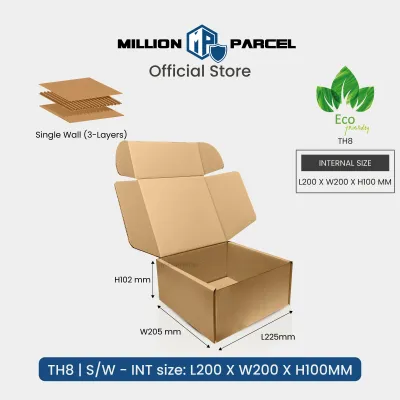
One of the most frequent errors in selecting packaging is confusing external dimensions with internal usable space. Manufacturers often list the external dimensions of a box, which include the thickness of the corrugated cardboard, folded flaps, and double-walled construction. For heavy-duty corrugated boxes, the difference between external and internal dimensions can be as much as 5 to 10 millimeters. Always verify the internal dimensions specified by the supplier to ensure your item and its padding will actually fit inside.
Another common mistake is underestimating the spatial footprint of decorative elements, ribbons, or protruding parts of the gift itself. A thick satin ribbon tied around an inner box, a decorative tag, or a raised lid on a product’s retail packaging can add unexpected millimeters to the overall height. If you plan to place a wrapped gift box inside a larger shipping box, measure the wrapped box at its thickest point, including the knot of the ribbon, to avoid crushing the decorative bow when sealing the outer carton.
Finally, choosing excessively large boxes is an inefficient practice that increases material costs and compromises the visual impact of the gift. A small item sitting in a massive box filled with loose packing peanuts looks unappealing and suggests a lack of care in presentation. Furthermore, larger boxes require significantly more filler material to prevent shifting, which increases the overall weight and shipping volume, leading to higher postage fees when sending packages across Singapore or internationally.
To avoid these pitfalls, it is highly recommended to create a physical prototype or mock-up before purchasing boxes in bulk. You can use scrap cardboard or paper to fold a simple template of the box dimensions you are considering. Placing your item and its intended padding inside this mock-up will immediately reveal if the box is too tight, too loose, or if the walls are too thin to support the weight. This simple step can save significant time and expense, ensuring your final packaging is both functional and visually stunning.
Frequently Asked Questions (FAQ)
Can I use a standard shipping carton instead of a dedicated gift box?
Yes, you can use a standard shipping carton, but there are notable trade-offs in material quality, print finish, and structural rigidity. Standard shipping cartons are designed primarily for utility and protection, often featuring a rough kraft finish and visible manufacturer stamps. Dedicated gift boxes, on the other hand, offer smoother surfaces, cleaner edges, and elegant finishes. If you choose to use a standard shipping carton for gifting, you can elevate its presentation by wrapping the exterior in high-quality wrapping paper, lining the interior with premium tissue paper, and securing the contents with colorful crinkle paper.
How do I pack multiple small items in a single gift box without them shifting?
To pack multiple small items securely, you should use custom cardboard inserts, modular dividers, or layered padding to keep each object in its designated place. Start by arranging the items by weight and size, placing the heaviest and most robust objects at the bottom of the box to prevent them from crushing lighter, more delicate items. Fill all remaining empty spaces with dense packing materials like crinkle paper or wood silk, ensuring there are no open gaps that would allow the items to slide or collide when the box is moved.

Community discussion
Share your experience or ask a question. Comments are reviewed before publication.