
Finding the right embroidery stand holder is a decision that directly impacts your physical comfort, stitching speed, and overall enjoyment of needlework. The ideal choice depends entirely on your available workspace, typical project dimensions, and physical comfort requirements. Rather than a single universal solution, floor stands, lap stands, and clamp holders each serve distinct stitching environments. By holding your hoop or frame securely, these tools free up both of your hands, allowing for faster, more precise stitching while protecting your neck, back, and wrists from the strain of holding a heavy frame for hours.
To make an informed choice, you must evaluate how each stand type interacts with your favorite stitching spot, whether that is a dedicated craft desk, a cozy living room sofa, or a compact balcony chair. This guide compares the structural and practical differences between these three main types to help you identify which style aligns with your crafting habits and ergonomic needs.
Overview of Floor, Lap, and Clamp Embroidery Stands
Understanding the basic anatomy and primary use case of each embroidery stand holder is the first step in narrowing down your options. Each design approaches the task of holding your fabric from a different structural angle, making them suitable for entirely different environments.
Products mentioned in this guide
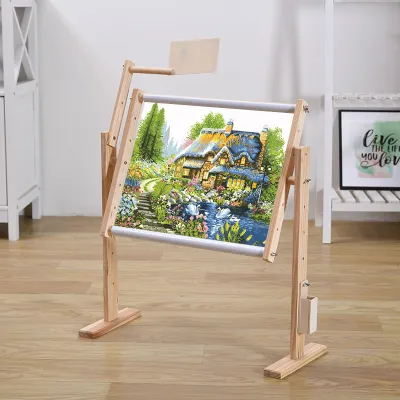
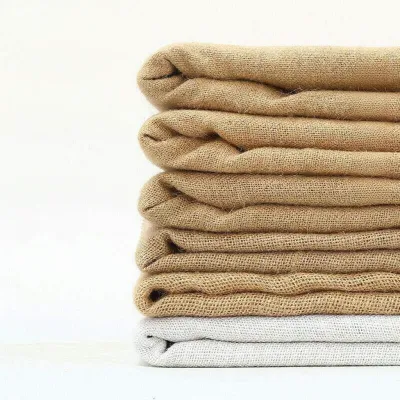
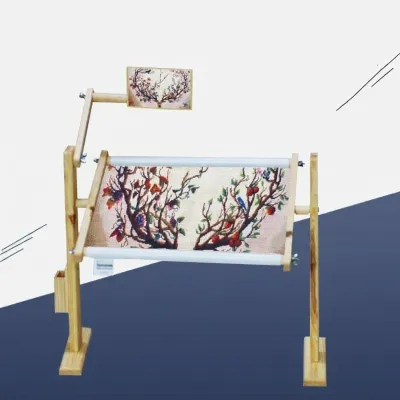
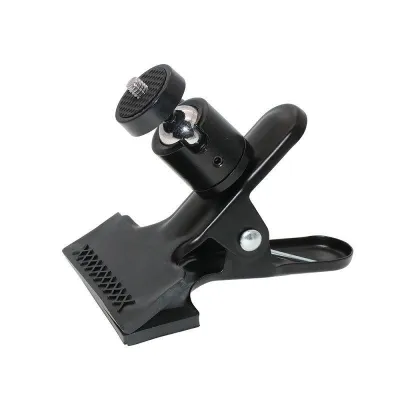
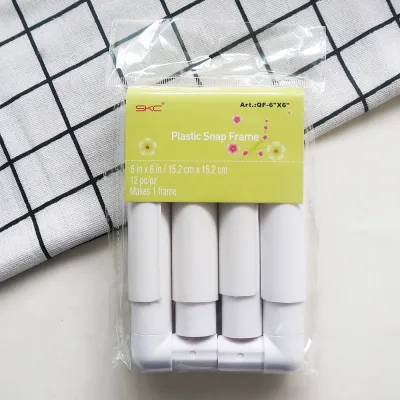
Prices are valid at publication and may change. Please refer to the product page for the latest price.
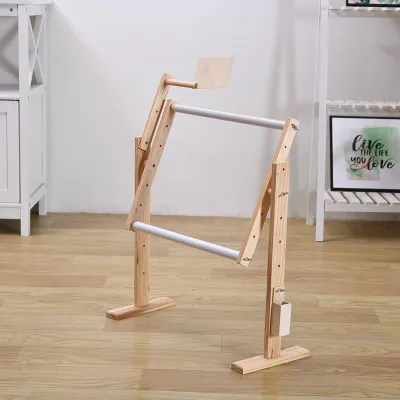
Floor stands are freestanding, heavy-duty structures designed to rest directly on the floor. They typically feature a wide, weighted base—often made of heavy cast iron, solid hardwood, or wide metal plates—to prevent tipping. An adjustable vertical post extends upward, ending in a clamp or arm that holds your embroidery hoop or scroll frame. Because they do not rely on tables or your lap for support, floor stands are highly stable and are the traditional choice for dedicated craft rooms, studios, or spacious living areas where they can remain set up permanently.
Lap stands are portable, lightweight frames designed to rest directly on your lap or a low coffee table while you sit. They usually consist of a flat base board that slides under your thighs or rests on your lap, connected to a short, adjustable arm that holds the hoop. This design uses your own body weight to anchor the stand, making it incredibly stable despite its lightweight construction. Lap stands are highly favored by those who prefer to stitch in comfortable, casual settings, such as on a sofa, in a plush armchair, or even in bed.
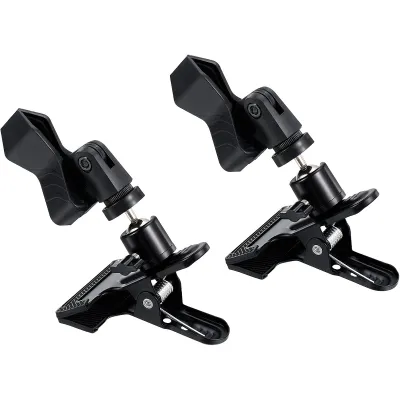
Clamp holders, also known as desk-mounted holders, feature a heavy-duty clamp mechanism that secures directly to the edge of a flat surface, such as a desk, dining table, or shelving unit. From this clamp, an adjustable, often articulated arm extends outward to hold your embroidery hoop. These holders are exceptionally compact and are designed to maximize vertical space, making them ideal for crafters who work at a dedicated desk or have limited storage space in their homes.
Comparing Space, Stability, and Ergonomics
When choosing between these three styles, the physical constraints of your home and your personal comfort during long stitching sessions should guide your decision. Each stand type offers a unique balance of space efficiency, physical support, and structural stability.

Space Footprint and Storage Requirements
In compact living environments, such as modern apartments or HDB flats, floor space is a premium commodity. A floor stand requires a dedicated footprint on your floor, typically measuring around 50 centimeters by 50 centimeters for the base alone. While some models feature flat feet that can slide under a sofa or chair to save space, they remain bulky items that are difficult to conceal when not in use. If you do not have a dedicated crafting corner where a floor stand can live permanently, moving and storing it can quickly become a chore.
Lap stands and clamp holders offer much more flexible storage options. A lap stand can easily be disassembled or folded flat, allowing you to slide it under a bed, place it on a closet shelf, or tuck it away in a drawer. Clamp holders have the smallest footprint of all; once unscrewed from your desk, the entire unit can fit into a standard craft tote bag or drawer. This makes clamp holders and lap stands highly practical for multi-use spaces where crafting tools must be packed away at the end of the day.
Ergonomics and Posture Support
The primary health benefit of using an embroidery stand holder is the reduction of physical strain. Holding an embroidery hoop manually forces you to look downward at a sharp angle, placing immense pressure on your cervical spine and leading to neck and shoulder tension. Additionally, gripping a hoop for hours can cause cramping and repetitive strain injuries in your hands and wrists.
A floor stand offers the highest level of ergonomic adjustability. Because the vertical post can be raised or lowered over a wide range, you can position your work directly at eye level, allowing you to maintain a neutral, upright spine. Many floor stands also feature 360-degree ball joints, enabling you to tilt the hoop to the exact angle that minimizes glare and wrist strain.
Lap stands bring the work closer to your body, which is excellent for near-vision focus, but they are limited by your seating position. If your sofa is deep and soft, a lap stand may tilt backward, forcing you to slouch to reach your work. Clamp holders offer excellent height adjustment if they feature articulated metal arms, but because they must remain attached to a table edge, they restrict your stitching to a seated desk position, which may not be as relaxing as a comfortable armchair.
Stability and Weight Distribution
Stability is crucial when working on intricate patterns that require precise needle placement. A shaking or wobbling hoop can cause eye strain and make stitching frustrating.
Floor stands provide exceptional stability, particularly those with heavy, solid bases. They are engineered to distribute weight evenly, allowing you to use larger, heavier scroll frames without the risk of the stand tipping over. However, if you extend a heavy frame too far forward on a lightweight floor stand, the center of gravity can shift, requiring you to place a weight on the base to keep it secure.
Lap stands rely on your physical presence for stability. By sitting on the base board, your body weight anchors the stand, preventing it from moving as you push and pull the needle. This creates a very stable stitching platform, though it means you must lift the stand off your lap whenever you need to stand up.
Clamp holders are only as stable as the surface they are attached to. If clamped to a heavy, solid wood desk, a clamp holder will remain rock-solid. However, if you attach it to a lightweight folding table or a desk with a thin, flexible top, the entire surface may wobble with every stitch. Additionally, heavy hoops can create leverage that causes the clamp to slip or rotate if it is not tightened sufficiently.
Matching the Stand to Your Project Size and Technique
Your choice of embroidery stand holder should also align with the specific physical demands of your needlework projects and the techniques you prefer to use.
Hoop and Frame Size Compatibility
Different stands are built to handle different weight capacities and frame styles. Before purchasing, you must consider the size of the hoops or frames you use most frequently.
Floor stands are highly versatile and can accommodate a wide range of sizes, from small 4-inch hoops to massive 30-inch scroll frames or quilting bars. Their robust construction and heavy joints are designed to hold heavy wooden or metal frames securely without sagging.
Lap stands are generally optimized for small to medium-sized projects. They perform best with hoops ranging from 6 to 10 inches in diameter. Attempting to mount a large, heavy scroll frame on a lap stand can make the setup top-heavy and awkward to balance on your lap, defeating the purpose of a comfortable, relaxed stitching experience.
Clamp holders are ideal for small to medium hoops. Because the arm extends horizontally from the edge of your desk, a heavy hoop or frame creates a strong downward pull. Standard clamp holders may struggle to support frames larger than 12 inches, as the weight can cause the joints to slip or the arm to sag over time.
Fabric Tension and Structural Rigidity
Maintaining consistent fabric tension is essential for clean, puckering-free stitches. Some embroidery techniques, such as goldwork, silk shading, or canvas work, require the fabric to be stretched drum-tight on a rigid frame.
To maintain this high level of tension, the stand itself must be structurally rigid. Floor stands made of solid hardwood or heavy steel provide the necessary resistance to withstand the constant pulling and pushing of heavy threads. Clamp holders with solid metal arms also offer excellent rigidity, ensuring your hoop remains perfectly stationary. Lap stands, while comfortable, may flex slightly under heavy pressure, making them better suited for lighter, more flexible embroidery projects like cross-stitch or surface embroidery.
Hands-Free Operation and Stitching Speed
One of the greatest advantages of using an embroidery stand holder is the ability to use both hands to stitch. With one hand positioned above the fabric to guide the needle down and the other hand below to catch and push it back up, your stitching speed can double. This two-handed technique also ensures more consistent thread tension and reduces the risk of knotting.
All three stand types facilitate hands-free operation, but the ease of flipping the hoop to secure threads on the back varies. When finishing a thread, you must access the back of your work. Many floor stands and clamp holders feature quick-release clamps or 180-degree swivel joints that allow you to flip the hoop over instantly. Some lap stands require you to loosen a wooden knob to rotate the hoop, which can slow down your workflow if you change threads frequently.
Decision Framework: Choosing Your Ideal Embroidery Stand Holder
To finalize your decision, consider how your workspace, project habits, and physical needs intersect. Use the following guidelines to select the style that best fits your lifestyle.
- Choose a Floor Stand if: You have a dedicated crafting area or room, work on large-scale projects using heavy scroll frames, require maximum stability for two-handed stitching, and want the absolute best ergonomic height adjustment to protect your neck and back.
- Choose a Lap Stand if: You prefer to stitch while relaxing on a sofa, armchair, or bed, have limited storage space and need a stand that folds flat, work primarily on small to medium hoops, and enjoy a portable setup that can easily move from room to room.
- Choose a Clamp Holder if: You work primarily at a desk or table, have very limited floor and storage space, use small to medium hoops, and want a highly adjustable, compact tool that keeps your workspace clear.
When a Standard Stand May Not Fit
While these three types cover most stitching scenarios, there are situations where none of them may be suitable. If you work on extremely heavy, oversized textiles like rugs or large tapestries, standard consumer embroidery stands will not support the weight; you will need specialized, heavy-duty trestle stands. Additionally, if your only available workspace is a glass-topped table, a clamp holder is not recommended, as the pressure required to secure the clamp can crack or shatter the glass. In such cases, a floor stand with a flat base that slides under your chair is the safest and most practical alternative.
Essential Compatibility Checks Before You Buy
Before purchasing an embroidery stand holder, performing a few quick physical checks will prevent compatibility issues and ensure a seamless setup.
First, check the manufacturer’s specified maximum hoop width and weight limits on the product label. Ensure the clamp on the stand can open wide enough to grip the thickness of your favorite hoops. Wooden hoops with large brass adjustment screws require a wider clamp opening than slim plastic hoops.
Second, if you are choosing a clamp holder, verify the clamp thickness range against your actual desk or table edge dimensions. Measure the thickness of your table lip, ensuring there are no decorative bevels or support beams underneath that could prevent the clamp from seating flat and securing tightly.
Finally, inspect the joint mechanisms of the stand. Look for high-quality knobs, wing nuts, or lever locks. Wooden knobs should feel smooth and comfortable to turn, while metal screws should thread cleanly without stripping. Secure locking mechanisms are essential to prevent the stand from slipping or sagging gradually under the weight of your hands and fabric during a long stitching session.
Frequently Asked Questions (FAQ)
Can One Stand Accommodate Different Hoop Sizes?
Yes, most high-quality embroidery stands are designed to accommodate a variety of hoop sizes and styles. They achieve this versatility through adjustable clamping heads, sliding joints, and interchangeable fittings. The clamp that holds the hoop is typically adjustable, allowing it to grip thin plastic hoops, thick wooden hoops, or even the square bars of a scroll frame.
However, you must check the minimum and maximum width specifications on the product label before purchasing. While the clamp itself may adjust to different thicknesses, the overall weight capacity of the stand’s arm determines the maximum hoop diameter you can safely use. Mounting a hoop that exceeds the recommended size can cause the stand to tip, sag, or slip at the joints, potentially damaging your work or causing physical strain.

Community discussion
Share your experience or ask a question. Comments are reviewed before publication.