
Selecting the right embroidery tool brand as a beginner in Singapore depends on finding a balance between consistent manufacturing quality, clear beginner support, and standard sizing. Rather than chasing the most expensive options, focusing on brands that offer reliable tension, smooth finishes, and accessible replacements ensures a frustration-free learning experience. When searching for these supplies in local craft stores or online marketplaces, looking under the broader category of alat jahit (sewing tools) will lead you to established brands that stand up to regular use and the challenges of a humid tropical climate.
Beginning your embroidery journey with reliable tools prevents common frustrations like thread shredding, fabric puckering, and hand fatigue. High-quality brands maintain strict quality control, ensuring that their needles do not have sharp burrs inside the eye and their hoops hold fabric taut without slipping. By investing in a few essential pieces from trusted manufacturers, you can focus on mastering your stitches rather than fighting your equipment.
Core Embroidery Tools to Evaluate by Brand
Embroidery hoops are the foundation of your work, and their primary job is to maintain consistent fabric tension. When evaluating hoop brands, look for those that use dense, multi-layered wood, such as polished beechwood, or high-grade flexible plastics. Brands like Nurge and Klass & Gessmann are highly regarded for their wooden hoops, which feature smooth, rounded inner edges that prevent fabric snagging and sturdy brass adjustment screws that do not strip under pressure. For plastic options, brands like Clover offer tension-retaining hoops with a built-in lip-and-groove design that locks the fabric securely in place without requiring constant readjustment.
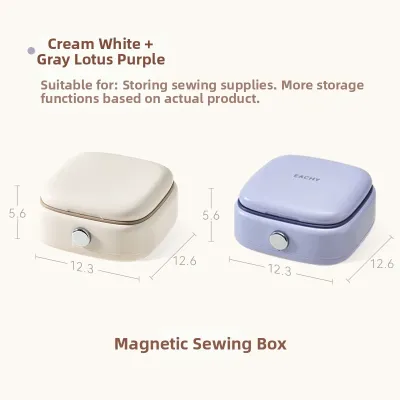
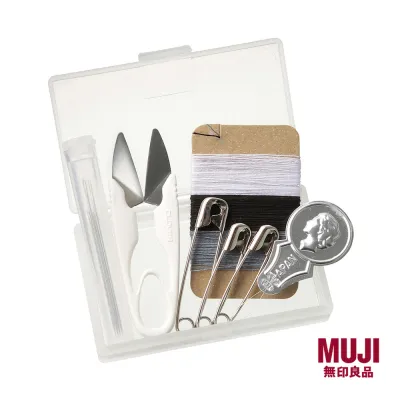
Products mentioned in this guide
![[SG Instock] Automatic Shrinking Measure Tape Body Waist Measuring Ruler Multi-purpose Sewing Tailor Measurement Tool](https://img.lazcdn.com/g/p/e134560e12379923dd1f94e574131cce.jpg_400x400q80.jpg_.webp)
Prices are valid at publication and may change. Please refer to the product page for the latest price.
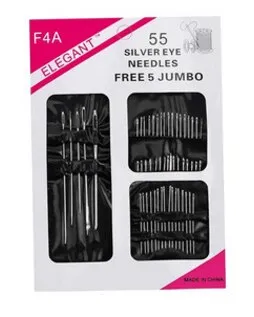
Needles are another critical tool where brand quality directly impacts your stitching experience. Crewel and embroidery needles feature a medium-length eye that is slightly wider than a standard sewing needle to accommodate multiple strands of thread. Reputable needle brands, including John James, Tulip, and Pony, use high-carbon steel that resists bending and undergoes rigorous polishing. This polishing process is crucial because it eliminates microscopic metal burrs inside the needle eye, which would otherwise shred your embroidery floss as you pull it through the fabric.
Stranded cotton embroidery floss is the most visible element of your project, making thread quality paramount. The global standard for embroidery thread is DMC, known for its highly consistent six-strand divisible cotton. Another excellent option is Anchor. These established brands manufacture their threads from long-staple cotton that undergoes mercerization, a process that increases luster, strength, and dye receptivity. This results in threads that separate smoothly into individual plies without excessive knotting and maintain their rich color over time.
Finally, a dedicated pair of snips or embroidery scissors is essential for clean cuts. Brands like Gingher, Fiskars, and Premax produce scissors with perfectly aligned blades and exceptionally sharp tips that cut cleanly right at the point. Clean cuts prevent the ends of your embroidery floss from fraying, making it much easier to thread your needles. When evaluating scissor brands, look for forged steel construction and comfortable finger loops that allow for precise control close to the fabric surface.
Standards for Assessing Brand Reliability
To determine if an embroidery brand offers genuine value, you must look closely at its manufacturing consistency. For wooden components like hoops and stands, inspect the surfaces for uniform thickness, seamless joints, and a complete lack of splinters. For plastic and metal tools, check for clean molds without rough plastic seams or uneven metal plating. Reliable brands reject pieces with these minor defects during quality control, whereas budget, unbranded alternatives often ship with rough spots that can permanently ruin delicate embroidery fabrics.

Beginner-friendly packaging and clear labeling are also strong indicators of a brand’s commitment to quality. Trusted manufacturers clearly print essential specifications on their packaging, such as the exact needle size, the material composition, and the country of manufacture. Many reputable brands also include helpful starter guides, basic stitch diagrams, or QR codes linking to video tutorials on their packaging. This level of detail helps beginners understand exactly how to use the tool and what to expect during their projects.
In Singapore’s tropical climate, material longevity is a major consideration due to high relative humidity. Cheap, unbranded metal needles and scissor blades can rust quickly when exposed to humid air, leaving permanent orange stains on your embroidery fabric. Reliable brands use corrosion-resistant coatings, such as nickel, gold, or platinum plating, to protect their needles. Similarly, quality wooden hoops are treated or sealed to prevent them from absorbing moisture, warping, or developing mold over time.
An often-overlooked aspect of brand reliability is the availability of an ecosystem and refills. When you use a standardized thread brand like DMC or Anchor, you gain access to a universal color numbering system. If you run out of a specific shade halfway through a project, you can easily purchase a single matching skein from a local shop using its color code. Unbranded kits, by contrast, often use proprietary or unlabeled threads, making it nearly impossible to find an exact match if you run out of a color.
Navigating the Local Craft Market
Finding authentic branded embroidery tools in Singapore requires knowing where to shop and what to look for. Established physical craft hubs, such as Spotlight at Plaza Singapura or Golden Dragon at People’s Park Centre, carry a wide range of reliable brands like DMC, Clover, and Birch. Additionally, specialized independent needlework shops and official online storefronts on major e-commerce platforms offer direct access to premium European and Japanese brands. Shopping at these authorized retailers ensures you are purchasing genuine products rather than counterfeit goods.
When browsing online marketplaces, it is important to recognize the red flags associated with cheap, unbranded bulk kits. These kits often promise dozens of thread colors, multiple hoops, and hundreds of needles for an incredibly low price. However, these items frequently suffer from poor quality control, resulting in dull needles that tear your fabric, hoops that warp under minimal tension, and threads that break easily. While the low price point is tempting, the frustration of working with substandard materials can quickly discourage a beginner.
Comparing the value of a comprehensive branded starter kit versus buying individual high-quality tools is a key step in your decision-making process. A curated starter kit from a recognized embroidery designer or a trusted brand often represents excellent value because it contains exactly what you need without any filler. These kits typically feature high-quality ground fabric, pre-sorted branded threads, a reliable hoop, and a proper needle. If you prefer to choose your own designs, purchasing a single high-quality hoop, a pack of branded needles, and a few select thread colors individually is often more cost-effective than buying a massive, low-quality bulk set.
Before making a purchase, always verify the product specifications listed on the packaging or online description. Look for specific terms like “beechwood,” “nickel-plated steel,” or “100% mercerized cotton” rather than vague descriptions like “wood” or “metal.” Reading user feedback and community reviews on local crafting forums can also provide valuable insights into how these tools perform in Singapore’s specific climate and whether they maintain their quality over long-term use.
Assembling a Practical Beginner Setup
Building a practical and cost-effective beginner embroidery setup involves allocating your budget toward the items that experience the most wear and tear. In Singapore, you can expect to spend approximately S$10 to S$20 on a high-quality wooden or plastic hoop, which will serve as your primary work surface for many projects. Allocating around S$15 to S$25 for a sharp, reliable pair of embroidery scissors is also a wise investment, as they will keep your thread ends clean and prevent fraying. By prioritizing your budget in S$ on these durable tools, you ensure a solid foundation for your craft.
For your consumable supplies, sticking to standard thread brands is highly recommended for easier color matching and community support. A single skein of branded six-strand cotton floss typically costs between S$1.20 and S$1.50 at local shops. Instead of buying a massive assortment of colors, select only the specific shades required for your first project. This approach keeps your initial costs low while allowing you to gradually build a high-quality thread collection over time.
Your choice of tools should also align with the fabric types and embroidery styles you plan to explore. For light to medium-weight woven fabrics like cotton calico or linen, a standard size 7 or 8 embroidery needle is highly versatile. If you plan to work on heavier fabrics or use thicker threads like wool, you will need to adjust your needle choice to a larger size with a bigger eye, such as a crewel needle. Matching your needle size to your thread and fabric prevents unnecessary friction and makes the stitching process much smoother.
As your skills progress, you can follow a conditional upgrade path to expand your tool collection. Start with a single 6-inch hoop, a mixed pack of branded embroidery needles (sizes 5 to 10), a few skeins of thread, and a basic pair of sharp snips. Once you are comfortable with the basic stitches, you can consider upgrading to specialized tools such as a hands-free hoop stand, premium linen fabrics, or a dedicated storage box to keep your growing collection of threads organized and protected from dust and humidity.
Frequently Asked Questions (FAQ)
Can I use standard sewing needles instead of branded embroidery needles?
Standard sewing needles, such as sharps, are generally not suitable for multi-strand embroidery because they have very small, round eyes designed for thin sewing thread. Embroidery needles feature a significantly longer and wider eye that accommodates multiple strands of embroidery floss without squeezing or damaging the thread. Using a standard sewing needle with thick embroidery floss makes threading extremely difficult and creates excessive friction as the needle passes through the fabric. This friction quickly frays the thread, weakens your stitches, and can leave unsightly holes in your embroidery fabric.
Are wooden or plastic embroidery hoops better for beginners?
Both materials have distinct advantages, but they suit different preferences. High-quality wooden hoops, especially those made from beechwood, offer a classic aesthetic and a natural grip that holds fabric securely, though they can be sensitive to extreme humidity changes if left untreated. Plastic hoops, particularly those with a built-in lip-and-groove design, are exceptionally durable, easy to clean, and highly resistant to Singapore’s humid climate. They provide excellent, uniform tension retention that rarely requires adjustment, making them a highly practical and user-friendly choice for beginners who want to focus on their stitching technique.
How do I verify if an embroidery thread brand is colorfast?
To verify if an embroidery thread brand is colorfast before starting a project, you can perform a simple water and friction test. Cut a short length of the thread, wet it thoroughly with room-temperature water, and place it between two layers of clean, white paper towel or cotton fabric. Press down firmly with a warm iron for a few seconds, or leave the wet thread sandwiched between the layers under a heavy book until dry. If any dye transfers onto the white paper towel or fabric, the thread is not colorfast, meaning the colors are likely to bleed and ruin your embroidery when the finished piece is washed or exposed to moisture.
Community discussion
Share your experience or ask a question. Comments are reviewed before publication.