
Navigating daily life in Singapore requires a reliable contactless payment method to breeze through transit gantries and retail checkouts. Both EZ-Link and NETS FlashPay cards are ubiquitous, reloadable stored-value options built on the Contactless e-Purse Application Specification (CEPAS) standard. While they look and function similarly at first glance, choosing the right flashpay ezlink card option depends heavily on your daily travel patterns, preferred retail merchants, and how you manage your personal finances.
Generally, EZ-Link remains the default choice for standard public transit commuters and widespread basic retail acceptance, while FlashPay, backed by the NETS network, offers distinct advantages for drivers, specific corporate fleets, and merchants deeply integrated into the NETS ecosystem. Because card fees, merchant partnerships, and digital app features are subject to regular updates, it is essential to verify the latest terms on the respective official issuer websites before making a purchase. By understanding the subtle differences in acceptance, costs, and security, you can select the card that seamlessly integrates into your daily routine.
Where You Can Tap: Transit and Retail Acceptance
Because both EZ-Link and NETS FlashPay operate on the national CEPAS standard, they are fully compatible with Singapore’s public transportation network. You can use either card to tap in and out of public buses, the Mass Rail Transit (MRT), and the Light Rail Transit (LRT) systems. The fare structure and distance-based calculations remain identical regardless of which card you tap, meaning neither card offers a direct price discount over the other for standard transit journeys.
Products mentioned in this guide
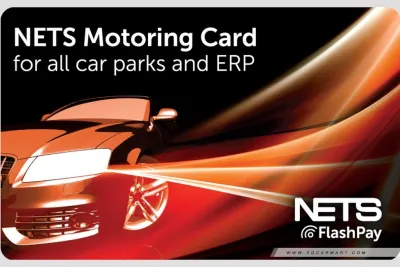
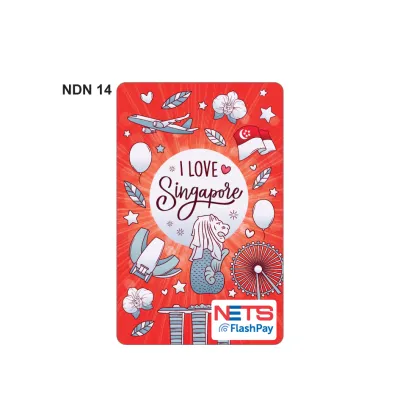
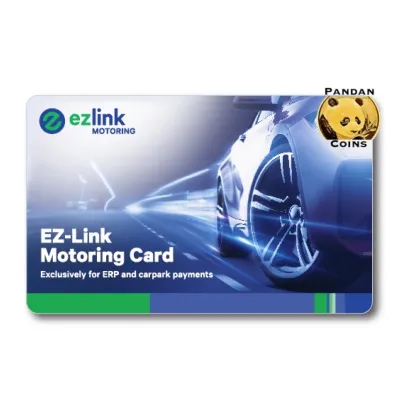
Prices are valid at publication and may change. Please refer to the product page for the latest price.
However, minor differences can emerge in niche transit scenarios. Some private shuttle buses, school buses, cross-border bus services, or specialized campus transport systems may partner exclusively with one provider. If your daily commute involves these specialized transit services, you should check with the transport operator to confirm which card standard their onboard readers support.
In the retail sector, the divergence between the two cards becomes much more apparent. EZ-Link has a long-established network of retail partners, particularly in convenience stores, supermarkets, public libraries, and school canteens. It is widely accepted at major chains, making it highly convenient for quick, everyday purchases without needing to pull out a credit card or mobile phone.
NETS FlashPay, on the other hand, leverages the extensive NETS terminal network. This means FlashPay is highly accepted at hawker centres, food courts, vending machines, and smaller retail outlets that utilize NETS contactless terminals. If you frequently buy meals at local coffee shops or hawker stalls that display the NETS contactless logo, FlashPay can offer a more seamless payment experience in those specific environments.
To confirm whether a merchant accepts your card, look closely at the payment terminal or checkout counter. Merchants typically display the distinctive blue-and-yellow EZ-Link logo or the red-and-white NETS FlashPay logo. Additionally, checking for the generic CEPAS logo on both the card and the terminal ensures basic compatibility. When in doubt, ask the cashier if they accept CEPAS payments or check the official merchant directories on the issuers’ websites.
Managing Costs: Fees, Top-Ups, and Reload Limits
When acquiring a new reloadable card, you will want to verify the upfront costs and ongoing administrative fees. Typically, a card purchased at a transit station passenger service centre costs S$10, which includes a S$5 non-refundable card fee and S$5 of usable travel value. If you purchase cards at convenience stores or online marketplaces, the pricing structure and initial stored value may differ, so always read the product description carefully.

Beyond the initial purchase, you should check the official issuer sites for other potential costs. These include replacement fees for damaged cards, administrative fees for processing balance refunds, and dormant card fees. A dormant card fee is a monthly deduction that some issuers apply to cards that have remained inactive past their validity period, which can slowly deplete your remaining balance if left unchecked.
Topping up your card is relatively straightforward, but the convenience and potential fees vary by channel. Both cards can be reloaded at physical ticketing machines located inside MRT stations, bus interchanges, and dedicated self-service terminals. You can also top up your cards at partner convenience stores, though you should verify if these merchants charge a small service fee or surcharge per transaction.
For greater convenience, both EZ-Link and NETS offer mobile applications that utilize your smartphone’s Near Field Communication (NFC) capabilities. These apps allow you to top up your card directly using a linked debit card, credit card, or local bank transfer. When setting up these digital top-ups, check the minimum reload amounts (which often start at S$10) and the maximum stored-value limit (typically S$500 for CEPAS cards) to ensure they align with your weekly or monthly spending habits.
Both platforms also offer auto-reload features, which automatically top up your card with a pre-selected amount whenever the balance falls below a certain threshold. This is particularly useful for avoiding the hassle of getting stuck at a transit gantry with insufficient funds. Before activating auto-reload, verify if your linked bank account or credit card charges any processing fees for this automated service.
Card Lifespan, Security, and Balance Protection
CEPAS-compliant cards do not last indefinitely and generally have a physical validity period of 5 to 10 years from the date of manufacture. You can easily check your card’s expiry date at transit ticketing machines, via the respective mobile apps, or by entering the card’s unique identification number on the official issuer websites. Once a card expires, it can no longer be used for transit or retail transactions, though you can still recover the remaining balance.
Security is a critical consideration for any stored-value card. Unregistered cards operate essentially like cash; if you lose the physical card, anyone who finds it can spend the remaining balance, and the issuer cannot track or refund those funds. To protect your money, it is highly recommended to register your card through the official EZ-Link or NETS mobile apps.
Registering your card links the unique card ID to your personal identity and contact details. In the event of loss or theft, registered users can report the card lost through the app or customer service hotline. The issuer can then block the card to prevent further unauthorized transactions and initiate a balance transfer or refund to your bank account, subject to their specific verification and processing timelines.
Beyond standard retail cards, both ecosystems offer specialized card variants. These include concession cards for students, senior citizens, and persons with disabilities, which offer subsidized transit fares. Concession cards have strict eligibility criteria and must be applied for through official transit authorities rather than purchased over the counter.
There are also co-branded credit cards, debit cards, and wearable tokens or charms that function as CEPAS cards. These specialized formats often come with unique terms of use, auto-reload integrations, or loyalty points. If you are considering a co-branded option, verify the specific application rules, annual fees, and eligibility criteria with the issuing bank or partner brand.
How to Decide: Matching the Card to Your Daily Routine
Choosing between these two popular reloadable cards comes down to analyzing your daily travel routes, shopping habits, and how you prefer to manage your payments. By matching the card’s strengths to your lifestyle, you can ensure a smoother daily commute and checkout experience.
Choose EZ-Link if:
- Your primary daily need is standard public transit commuting on buses and the MRT.
- You frequently shop at major supermarkets, convenience stores, and public facilities like libraries where EZ-Link has deep historical integration.
- You prefer a straightforward, widely recognized transit card with a mature mobile app for tracking travel history and managing family cards.
Choose FlashPay if:
- You frequently drive and require a card for Electronic Road Pricing (ERP) and car park payments, especially in older parking systems that require a physical CEPAS card in the in-vehicle unit.
- You regularly dine at hawker centres, food courts, and coffee shops that heavily utilize the NETS payment terminal network.
- Your employer, school, or residential estate utilizes a NETS-integrated system for access control, security gates, or corporate disbursements.
Verify first if:
- You qualify for concession fares, as these require official government-issued concession cards rather than standard retail cards.
- You are a tourist visiting Singapore for a short period, as a specialized tourist pass or using a contactless bank card directly may be more cost-effective than purchasing a dedicated reloadable card.
- You want to use specific bank-promoted auto-reload benefits, as certain credit cards may only partner with one of the two card issuers.
Frequently Asked Questions (FAQ)
Can I Tap In With One Card and Tap Out With Another?
No, you must use the exact same physical card or registered mobile device for both entry and exit during a single transit journey. The public transit system calculates your fare based on the distance between the point of entry and the point of exit. Tapping in with one card and tapping out with another will result in two incomplete journeys, causing both cards to be charged the maximum boarding fare.
How Do I Recover My Balance if the Card Is Lost or Expires?
If your card is registered, you can report the loss or expiry through the official issuer’s mobile app or website to initiate a balance refund to your bank account. For unregistered cards that have expired, you must bring the physical card to a transit ticketing office or passenger service centre to request a refund or transfer the remaining balance to a new card. Unregistered cards that are physically lost cannot have their balances recovered, so early registration is highly recommended.

Community discussion
Share your experience or ask a question. Comments are reviewed before publication.