
Finding the perfect planner in Singapore requires balancing your daily scheduling habits with your personal aesthetic preferences. While off-the-shelf diaries offer convenience, they often force you into rigid layouts that do not align with your specific professional or personal workflows. A customised planner solves this mismatch by allowing you to tailor everything from the cover design to the exact structure of the weekly and monthly grids. By focusing on your specific planning style, you can select a system that keeps you organised throughout the year without leaving half the pages blank.
To make an informed decision, you must evaluate whether you need cosmetic personalisation, such as an embossed name on a leather cover, or deep structural customisation, where you design the actual page templates. Singapore offers a diverse range of options, from local artisanal bookbinders crafting bespoke journals to modular binder systems available at boutique stationery shops. Understanding the mechanics of paper weight, binding styles, and refill availability will ensure your chosen planner remains a functional, durable companion for your daily commute and office meetings.
Understanding Planner Customisation Options
When exploring the world of customised planners, it is helpful to divide your options into cosmetic personalisation and structural customisation. Cosmetic customisation focuses primarily on the exterior and visual elements of the planner. This includes choosing cover materials, selecting specific colour palettes, adding decorative stickers, or opting for hot-foil name embossing on the front cover. While these details make the planner uniquely yours and elevate the tactile experience of writing, they do not alter how you organise your time on a daily basis.
Products mentioned in this guide
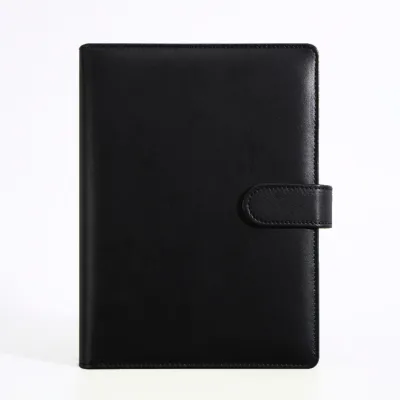
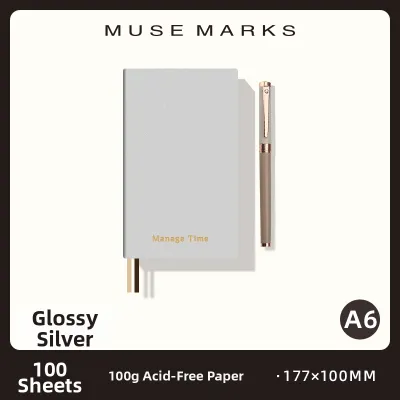
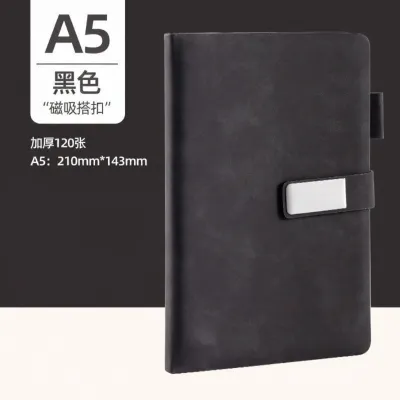
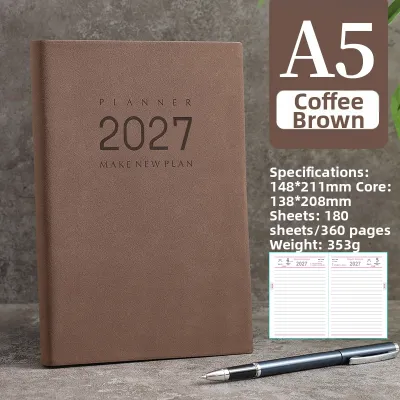
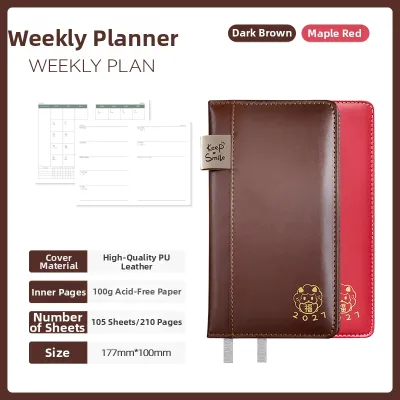
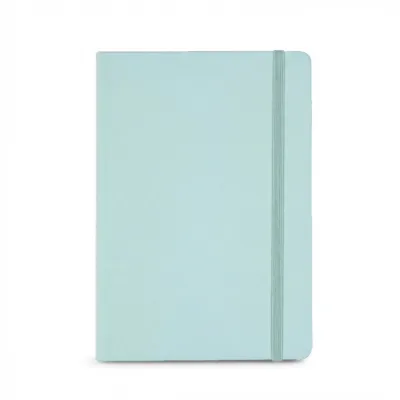
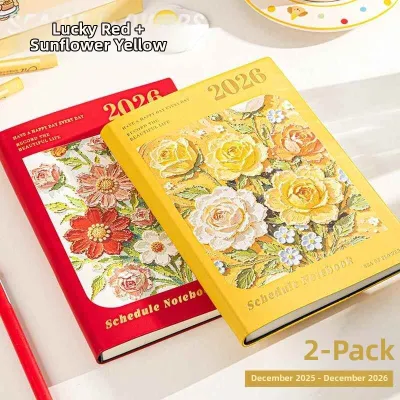
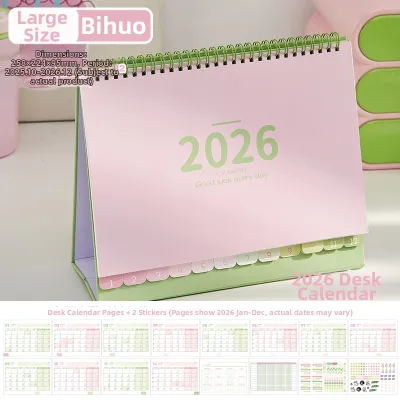
Prices are valid at publication and may change. Please refer to the product page for the latest price.
Structural customisation, on the other hand, directly impacts your planning workflow by letting you choose the internal layouts. You can select daily pages if you have a high volume of tasks and meetings, weekly spreads for a broader overview of your commitments, or blank, dotted, or grid pages for bullet journaling. Some advanced systems even allow you to integrate specialized trackers for habits, project milestones, or financial budgeting directly alongside your calendar pages.
The binding method you choose plays a critical role in how much structural flexibility you maintain throughout the year. Disc-bound and ring-bound systems offer the highest level of ongoing customisation because they allow you to add, remove, or rearrange pages at will. You can print your own templates, punch holes in them, and insert them exactly where you need them. In contrast, thread-stitched or perfect-bound planners offer a sleek, traditional book-like feel but lock you into a fixed page order that cannot be altered without damaging the spine.
This distinction highlights the trade-off between fully bespoke planners and modular systems. A fully bespoke planner is designed and bound as a single unit according to your exact specifications before production, offering a highly polished and cohesive finish. However, modular systems that utilise mix-and-match inserts provide far greater adaptability. If your planning needs change mid-year, a modular system allows you to swap out a weekly layout for a daily one without needing to purchase an entirely new planner cover.
Where to Explore Customised Planners in Singapore
Finding the right source for your customised planner in Singapore involves exploring several distinct retail and artisanal channels. Local stationery boutiques and lifestyle concept stores are excellent starting points, particularly if you prefer a hands-on experience. Many of these physical stores feature dedicated customisation bars where you can select a notebook base, choose your preferred paper type, and watch an associate emboss your initials onto the cover using a traditional hot-stamping machine. This allows you to feel the paper texture and assess the cover materials in person before committing to a purchase.

For a truly unique and tailored product, you can collaborate with independent local makers and professional bookbinders in Singapore. These artisans often accept bespoke commissions, allowing you to select premium cover materials like hand-dyed leather, bookcloth, or locally sourced textiles. Working with an independent binder gives you direct input into the sewing style, thread colour, and exact page count. This route is ideal if you want a keepsake-quality planner that can be refilled or repurposed year after year.
If you prefer the convenience of online shopping, various e-commerce platforms and global online marketplaces host independent stationery designers who offer extensive personalisation options. When browsing these platforms, you can use search filters to locate shops that specialise in custom layouts or personalised covers. Many online sellers provide digital proofs of your custom layout before printing, which helps ensure that the final product matches your expectations.
Before placing an order with any custom stationery provider, it is essential to verify the seller’s credibility and manage delivery expectations. Carefully review customer feedback, paying close attention to photos of completed customisation work to assess the alignment of embossing and the quality of the binding. Because bespoke items require manual assembly or individual printing, lead times can range from a few days to several weeks. Be sure to check these production timelines, especially if you are ordering a planner late in the year to prepare for the upcoming January.
Key Specifications to Check Before Buying
To ensure your customised planner is highly functional and enjoyable to use daily, you must pay close attention to technical specifications. The weight and texture of the paper are paramount, especially if you prefer writing with fountain pens, gel pens, or heavy markers. Look for paper weight specified in grams per square metre (gsm); a weight of 100 gsm or higher generally offers excellent resistance to ink feathering and bleed-through. To verify compatibility, you can perform a simple trial on a sample page or check if the manufacturer explicitly states that the paper is fountain-pen friendly or acid-free.
Size standards are another critical factor that affects both portability and long-term usability. Standard paper sizes like A5 (148mm x 210mm) and B6 (125mm x 176mm) are highly recommended because they strike an ideal balance between writing space and bag friendliness. Opting for standard sizes ensures that you can easily find third-party accessories, protective plastic covers, and storage folders. If a brand uses proprietary dimensions, you will be locked into their specific ecosystem for all future refills and add-ons.
For modular and binder-style planners, you must verify binding compatibility down to the exact millimetre. Ring-bound planners typically follow standard six-ring configurations, but the spacing can vary slightly between Asian, European, and American brands. Similarly, disc-bound systems require specific punch shapes and disc diameters to allow pages to turn smoothly without tearing. Always cross-reference the hole-punch measurements of your custom inserts with the ring spacing of your binder cover before purchasing.
Finally, always review the lead times and return policies associated with customised stationery. Because personalised items feature unique names, initials, or bespoke layouts, they are almost always non-refundable and exempt from standard return policies unless there is a manufacturing defect. Double-check all spelling, layout choices, and size selections in your order summary before finalizing the transaction. Understanding these terms beforehand prevents costly mistakes and ensures a smooth purchasing experience.
Evaluating Brands for Long-Term Planning
A great customised planner should be a sustainable investment that serves you well beyond a single calendar year. When evaluating different stationery brands, consider the long-term availability of refills. A high-quality leather or durable fabric cover can last for a decade, but it loses its utility if the brand stops producing dated inserts or compatible blank pages. Look for established brands with a proven track record of consistently restocking their core insert collections ahead of the peak planning season each year.
Cover durability is particularly important in Singapore’s warm and humid climate. Materials like genuine leather, treated canvas, and heavy-duty synthetic polymers tend to withstand daily commuting and humidity better than untreated paperboard or delicate fabrics. If you choose a leather cover, verify the care instructions, as occasional conditioning may be required to prevent mold or cracking in humid environments. A durable cover should protect your inner pages from getting crumpled or damp when tossed into a daily work bag.
As your planning habits evolve, you may want to expand your setup with matching accessories. Brands that offer a comprehensive ecosystem—including attachable pen loops, magnetic bookmarks, dashboard dividers, and clear zipper pouches—allow you to upgrade your planner without switching to a completely new system. This modular approach lets you adapt your planner to new professional roles, academic semesters, or personal projects over time.
Lastly, consider the community and resources surrounding the brand. Many popular customisable planner brands foster active online user communities where members share layout ideas, printable templates, and creative setup inspiration. Access to free digital downloads, such as habit trackers or meal planners that you can print and insert yourself, adds immense value to your physical planner. A supportive brand ecosystem ensures you never run out of ideas for keeping your daily organisation fresh and engaging.
Frequently Asked Questions (FAQ)
Can I customise the inner pages of a planner after purchase?
Yes, but your ability to customise the inner pages after purchase depends entirely on the binding system of your planner. If you choose a modular system, such as a ring-bound binder or a disc-bound notebook, you can easily add, remove, or rearrange pages at any time. This allows you to insert custom-printed templates, tracking sheets, or blank pages whenever your workflow changes.
For thread-stitched, spiral-bound, or perfect-bound planners, the page order is fixed during manufacturing and cannot be altered without damaging the spine. However, you can still implement creative post-purchase customisation using non-structural methods. Applying sticky notes, using washi tape to section off pages, adding fold-out paper inserts, or clipping dashboard folders over the pages are excellent ways to add temporary functional zones to a fixed-bound planner.
Are customised planners more expensive than standard ones?
Customised planners generally carry a higher upfront cost than mass-produced, standard diaries due to the manual labor and specialized equipment involved. Key cost drivers include premium cover materials like genuine leather, the setup time required for hot-foil stamping or custom engraving, and the low-volume printing of bespoke page layouts. A fully bespoke planner tailored from scratch will represent a significant investment.
To manage your budget effectively, you can compare the cost of a fully custom commission against a modular approach. Purchasing a high-quality, durable binder cover once and pairing it with affordable, customisable paper inserts is often more cost-effective over several years. When planning your budget in Singapore, remember to account for potential customisation fees, shipping costs for bespoke items, and the recurring cost of annual refills, ensuring the total price in S$ aligns with your personal stationery budget.

Community discussion
Share your experience or ask a question. Comments are reviewed before publication.