
Finding the right almanac planner is not about chasing the most popular brand on social media; it is about aligning a physical book’s structure with your cognitive style. An almanac planner differs from a standard notebook by integrating structured temporal frameworks—such as solar phases, seasonal markers, and comprehensive reference pages—with daily or weekly planning grids. To find your ideal match, you must evaluate how much physical space your daily tasks require, how your preferred writing instruments interact with different paper weights, and whether your workflow demands rigid hourly tracking or open-ended creative freedom.
By taking a systematic approach to evaluating paper quality, binding durability, and page layouts, you can avoid the frustration of a planner that does not fit your daily routine. Instead of adapting your habits to a restrictive book, you can select a tool designed to support your natural workflow.
Identify Your Planning Style and Space Requirements
Before looking at specific brands, you must understand your own organizational habits. Some people thrive under strict schedules, while others need a flexible canvas for thoughts, sketches, and long-form notes. Identifying these habits early prevents you from buying a planner that feels either too restrictive or overwhelmingly empty.
Products mentioned in this guide


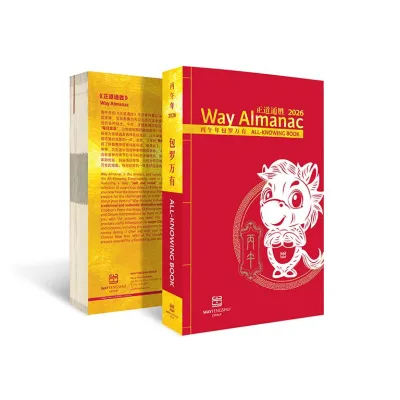
Prices are valid at publication and may change. Please refer to the product page for the latest price.
If your day is packed with meetings, appointments, and time-sensitive tasks, you will benefit from a highly structured daily layout. This style of planning requires vertical columns with pre-printed hourly increments, allowing you to block out specific times for deep work, meetings, or personal errands. This visual representation of time prevents overcommitment and helps you maintain realistic daily goals by showing you exactly how many hours you have available.
For those whose work is driven by fluid deliverables rather than fixed appointments, an open-ended layout is far more effective. Planners that offer blank grids, dot-grid pages, or simple bulleted lists allow you to group tasks by priority, project, or context. This flexibility prevents the anxiety of leaving hourly slots empty on slower days and accommodates changing workloads without wasting paper.
Your journaling habits also dictate your spatial needs. If you use your planner as a creative outlet, a memory book, or a daily diary, you will need dedicated blank space alongside your schedule. Some planners offer a full blank page adjacent to each daily schedule, while others compress the entire week into a two-page spread with minimal margins. Deciding whether your planner is strictly for task management or a hybrid journal is a critical first step.
Finally, consider where your planner will live. A large desk planner provides expansive writing space but is heavy and cumbersome to carry in a daily bag. For professionals and students on the move, compact sizes like A5, B6, or A6 offer a practical compromise. An A5 planner fits comfortably in most work bags while still providing enough surface area for detailed writing, whereas an A6 pocket planner is ideal for rapid, on-the-go task logging but limits detailed journaling.
Check Physical Specifications and Pen Compatibility
The tactile experience of writing is heavily influenced by paper quality and construction. A planner that bleeds through, feathers, or falls apart mid-year will quickly be abandoned, regardless of how beautiful its layout is.

Paper weight is measured in grams per square meter (gsm). Lightweight papers, often ranging from 52 gsm to 68 gsm, allow a 400-page daily planner to remain remarkably slim and portable. However, these thin papers require specific finishes to prevent ink from bleeding through to the reverse side. While they are highly resistant to ink penetration, they often exhibit “ghosting,” where the shadow of your writing is visible on the back of the page.
If you prefer using fountain pens, wet gel pens, or heavy markers, look for paper specified as ink-resistant, smooth-coated, or high-density. For standard ballpoint pens or pencils, a slightly toothier, medium-weight paper (80 gsm to 100 gsm) provides a satisfying tactile feedback without the risk of feathering. Always check manufacturer specifications regarding ink compatibility and drying times, as highly coated papers can cause wet inks to smudge, especially for left-handed writers.
A planner that refuses to lie flat is a constant source of frustration. Thread-sewn binding is the gold standard for bound planners, as it allows the book to open completely flat on a desk, ensuring you can write comfortably near the center margin. This binding method involves sewing folded signatures of paper together before gluing them to the spine, ensuring long-term durability.
Spiral or wire-bound systems also lie flat and allow you to fold the planner back on itself to save desk space, though the central rings can sometimes obstruct your hand while writing. Disc-bound and ring-bound systems offer the ultimate customization, allowing you to insert, remove, and rearrange pages as your workflow evolves, though they tend to be bulkier than bound alternatives and require specialized hole punches.
Your planner’s cover must withstand a full year of daily handling, opening, and transport. Hardcovers provide a sturdy writing surface when you are away from a desk, acting as a portable clipboard. Softcovers, often made of flexible cardstock or synthetic materials, conform better to packed bags and reduce overall weight.
In humid climates, such as Singapore, paper-based covers can absorb moisture over time, leading to warping and soft corners. Opting for water-resistant synthetic covers, textured vinyl, or investing in a removable clear plastic cover sleeve can protect your planner from humidity, spills, and edge wear, keeping it pristine from January through December.
Match Internal Layouts to Your Daily Workflow
The internal layout of your planner is the engine of your daily productivity. Choosing the wrong format can make planning feel like a chore rather than a helpful routine, so it is vital to match the layout to your cognitive style.
Daily spreads are ideal for those who need to manage back-to-back appointments, client calls, or strict study blocks. These layouts typically dedicate one full page to a single day, featuring a vertical timeline. This structure helps you visualize your open time slots and prevents you from scheduling overlapping tasks. The primary trade-off is size; a daily planner containing 365 individual pages is inherently thicker and heavier, making it more suited for stationary desk use.
Weekly layouts offer a holistic view of the days ahead, making them excellent for project managers, students, and busy families. Common formats include horizontal weekly spreads, where the week is divided into horizontal blocks across two pages, and vertical weekly spreads, which present the week in vertical columns. Weekly layouts naturally balance task lists with moderate space for notes, making them excellent for tracking habits, project milestones, and weekly goals.
Monthly overviews serve as a high-level index, ideal for tracking long-term deadlines, travel plans, and major events. They allow you to see the big picture without getting bogged down in daily details. Many planners combine monthly grids with weekly or daily spreads to offer a multi-layered planning system, allowing you to zoom in and out of your schedule as needed.
| Layout Type | Ideal User Profile | Spatial Trade-offs | Key Advantage |
|---|---|---|---|
| Daily Spread | Time-blockers, detailed journalers, meeting-heavy professionals | High page count increases planner thickness and weight | Maximum writing space per day |
| Weekly Vertical | Appointment-based workers, hourly schedulers | Limited space for long-form journaling or free-form notes | Clear visualization of weekly time blocks |
| Weekly Horizontal | Task-list users, casual journalers, creative planners | Less structured hourly tracking | Balanced space for daily tasks and weekly notes |
| Monthly Grid | Minimalists, long-term project managers, event trackers | Minimal space for daily details or granular task lists | Excellent high-level overview of the entire month |
| Undated Layout | Irregular planners, project-based users, seasonal journalers | Requires manual date entry, which can be time-consuming | Zero wasted pages during inactive periods |
Build a Conditional Shortlist of Almanac Brands
With dozens of stationery brands on the market, finding the right one requires a systematic approach. Instead of relying on generic popularity lists, build a shortlist based on your specific physical and functional requirements.
Begin your selection process by filtering brands based on your non-negotiable physical requirements. If you have determined that you must have a lay-flat, thread-sewn binding with ultra-thin, fountain-pen-friendly paper, you can immediately eliminate brands that rely on standard spiral bindings or heavy, absorbent woodfree paper. Create a checklist of your physical requirements—such as size, binding, and paper type—and use these criteria as your primary filter when browsing stationery catalogs.
Next, verify specific almanac date formats and reference pages. True almanac planners are distinguished by their specialized reference sections. Examine product descriptions to verify what additional data pages are included. Some planners feature moon phases, solar terms, seasonal poetry, or historical trivia integrated directly into the daily grids. Others provide extensive blank index pages, project-tracking gantt charts, or world maps. Ensure these extra pages align with your interests rather than becoming unused clutter.
Finally, check accessory compatibility and ecosystem support. A planner often functions as part of a larger organizational system. Before committing to a specific brand, investigate the manufacturer’s ecosystem. Check if they offer dedicated accessories such as protective clear covers, leather folio covers, adhesive pen loops, specialized stencils, or sticky notes designed to fit perfectly within their grid dimensions. Choosing a brand with robust ecosystem support ensures you can easily replace worn covers or expand your planner’s functionality throughout the year without needing to switch to an entirely new system.
To ensure complete compatibility before purchasing, consider downloading and printing sample layout pages from the manufacturer’s website if they are available. Testing a layout for a week on a loose sheet of paper is an excellent, low-risk way to verify if a specific grid size or hourly timeline matches your handwriting size and daily scheduling habits.
Frequently Asked Questions (FAQ)
What makes an almanac planner different from a standard diary?
An almanac planner goes beyond the simple date-and-entry format of a standard diary by incorporating structured reference data, astronomical information, and long-term planning frameworks. While a standard diary is primarily designed for retrospective journaling or basic daily logging, an almanac planner acts as a comprehensive organizational tool. It often includes specialized pages for tracking seasonal changes, moon phases, habit development, and multi-month project timelines. These integrated features encourage you to look forward and plan systematically, rather than simply recording events after they occur.
Can I use an almanac planner for both work and personal journaling?
Yes, combining professional scheduling and personal reflection within a single almanac planner is highly feasible with the right layout strategy. To maintain clarity, many planners utilize a split-page system, where a vertical timeline on one side of the page manages work appointments, while the adjacent blank grid or margin is reserved for personal thoughts, gratitude lists, or habit tracking. Alternatively, you can use color-coded inks to visually separate professional tasks from personal entries. When selecting a dual-purpose planner, prioritize layouts with a high page count or dedicated weekly notes pages to ensure you do not run out of writing space before the year ends.

Community discussion
Share your experience or ask a question. Comments are reviewed before publication.