
Finding the perfect painting brush in Singapore is not about chasing a single prestigious label, but rather about aligning the brush’s physical characteristics with your artistic medium, skill level, and budget. Local art supply shops and online marketplaces offer an overwhelming array of options, from budget-friendly synthetic packs to imported, hand-crafted professional tools. Navigating this landscape requires a clear understanding of how different brush materials and constructions affect your painting experience.
The ideal brand for your studio is one that matches your current technical needs without overstretching your finances. A beginner practicing basic strokes does not require the same delicate, high-maintenance tools as a professional watercolorist executing complex washes. By focusing on key structural elements—such as bristle composition, ferrule quality, and handle balance—you can confidently select brushes that will support your artistic growth and deliver consistent results on the canvas.
Understanding Your Skill Level and Brush Requirements
Identifying your current artistic stage is the first step in narrowing down your brush choices. Beginners should prioritize durability, ease of maintenance, and cost-effectiveness. When you are first learning brush control, paint dilution, and cleaning techniques, brushes are highly susceptible to accidental damage. Leaving a brush face-down in a water jar or allowing acrylic paint to dry near the ferrule can quickly ruin delicate fibers.
Products mentioned in this guide
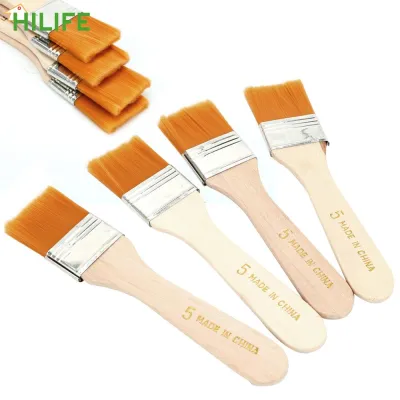
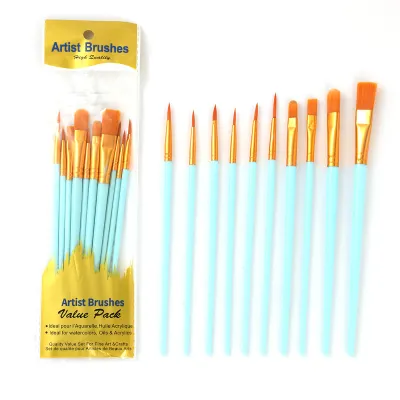
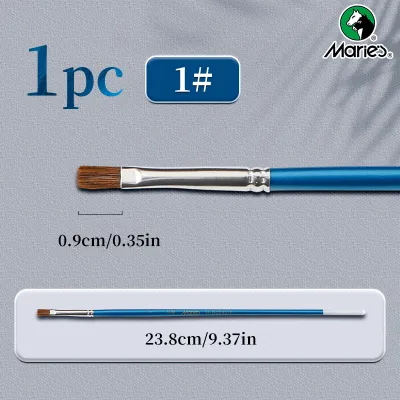
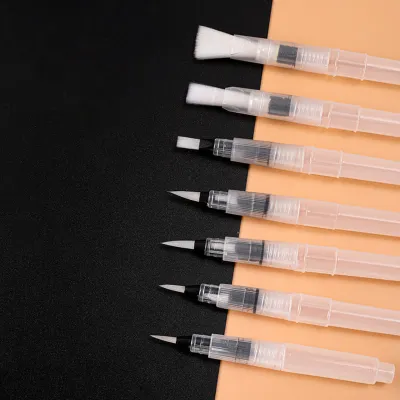
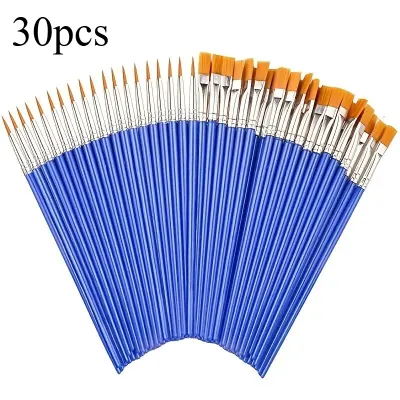
Prices are valid at publication and may change. Please refer to the product page for the latest price.
For this reason, entry-level artists are best served by robust synthetic brushes, typically made from nylon or polyester. These fibers are highly resilient, spring back into shape easily, and can withstand the abrasive texture of heavy-bodied paints and canvas. They are also incredibly affordable, allowing you to build a diverse starter set of rounds, flats, and filberts without a significant financial commitment.
Intermediate artists who have mastered basic brush care should look for brands that offer blended bristles or high-grade synthetics. At this stage, your techniques will demand better “snap”—the speed and crispness with which the bristles return to their original shape after a stroke. You will also benefit from brushes with improved color-carrying capacity, allowing for longer, uninterrupted strokes.
Blended brushes, which combine synthetic fibers with natural hair, offer an excellent middle ground for intermediate painters. They provide some of the water-holding capabilities of natural hair while retaining the durability and lower price point of synthetics. This category is highly versatile, making it ideal for artists exploring mixed media or transitioning from student-grade to artist-grade paints.
Professional artists require specialized, high-performance brushes tailored to specific mediums and techniques. At this level, predictability and precision are paramount. Professional-grade brands focus on premium materials, such as pure Kolinsky sable for watercolors or interlocked Chungking hog bristles for oil painting.
These premium brushes are designed to hold an exceptional amount of paint or water, release the medium evenly, and maintain an incredibly sharp point or edge. While a single professional brush represents a notable investment, its superior performance and longevity—when maintained with proper cleaning solvents and conditioners—make it indispensable for serious studio work.
Key Dimensions for Comparing Painting Brush Brands
To evaluate the quality and value of any painting brush brand, you must look closely at its physical construction. The first and most critical dimension is the bristle material and its compatibility with your chosen medium. Synthetic fibers are non-porous, meaning they do not absorb water. This makes them highly stable and excellent for acrylic paints, as they will not become limp or waterlogged during use.

Natural hair brushes, conversely, feature microscopic scales along each shaft that naturally trap and hold liquid. This structure makes them the gold standard for watercolors and fluid inks, where a high water-carrying capacity is essential for smooth washes. For heavy-bodied oils, stiff natural bristles provide the necessary resistance to push thick paint across textured surfaces, leaving distinct, expressive brushstrokes.
The second dimension to examine is the ferrule and handle construction. The ferrule is the metal band that secures the bristles to the handle. High-quality brands use seamless ferrules made of rust-resistant metals, such as nickel-plated brass or anodized aluminum. A seamless design prevents water from seeping into the wooden handle, which can cause the wood to swell, crack, and loosen the ferrule over time.
Additionally, look for double-crimped or threaded ferrules that ensure a tight, permanent grip on both the hair bundle and the handle. The handle itself should be crafted from balanced hardwood or durable acrylic. Short handles are designed for close-up, detailed work on flat surfaces, common in watercolor and gouache painting. Long handles are intended for easel painting, allowing you to stand back and view your composition from a distance while maintaining control over your strokes.
The third dimension is shape and size consistency. A reputable brush manufacturer maintains strict quality control to ensure that every brush of a specific size and shape performs identically. When wet, a high-quality round brush must taper to a single, crisp point without any stray, splayed hairs. A flat or bright brush should form a sharp, chisel-like edge for clean lines and block shading.
Because sizing standards can vary significantly between European, Asian, and American manufacturers, it is important to verify the physical dimensions—such as the visible hair length and ferrule diameter in millimeters—rather than relying solely on the size number printed on the handle. A size 6 round brush from one brand may be substantially larger or smaller than a size 6 from another.
Where to Source and Verify Brushes Locally
Singapore offers several vibrant retail hubs and specialized art supply stores where you can physically inspect and verify brush quality before purchasing. Visiting a physical store is highly recommended, especially when investing in mid-range or professional-grade tools. It allows you to perform basic, non-destructive tests to assess the brush’s physical properties.
To test a brush in person, gently press the dry bristle tip against the palm of your hand or your fingertip. Observe the “spring” or resistance of the fibers; they should bend smoothly and snap back to their original shape immediately when released. You can also feel the weight and balance of the handle to ensure it sits comfortably in your hand, which is crucial for preventing hand fatigue during long painting sessions.
When sourcing brushes through online marketplaces or local ecommerce platforms, extra care must be taken to verify authorized sellers and product specifications. Counterfeit or poorly stored brushes can suffer from degraded adhesives, leading to excessive shedding and loose ferrules. Always read the seller’s detailed product descriptions carefully.
Genuine listings from reputable brands will specify the exact fiber composition, such as “interlocked synthetic gold taklon” or “pure red sable,” rather than using vague marketing terms like “premium hair.” Check customer reviews specifically for mentions of shedding, ferrule stability, and how well the brush survived its first few washes. If a listing lacks detailed technical specifications, it is best to look elsewhere.
Finally, always inspect the manufacturer’s labels and packaging for material composition and care instructions. High-quality brands often provide clear guidelines on medium compatibility and recommended cleaning agents. In Singapore’s warm, humid climate, proper storage and maintenance are vital. Brushes must be dried thoroughly in a horizontal or hanging position to prevent moisture from pooling in the ferrule, which can dissolve the adhesive and lead to mold growth.
Decision Framework: Matching Brands to Your Needs
To simplify your selection process, use this conditional framework to match a brush brand’s specialties with your specific artistic requirements and budget constraints.
Choose synthetic-focused brands if you primarily paint with acrylics, work on rough surfaces like wood or clay, or are a beginner on a budget. These brands offer highly durable, easy-to-clean brushes that resist the fast-drying, adhesive nature of acrylic paint. A complete starter set of quality synthetics can easily be acquired for a modest investment, typically ranging from S$10 to S$30, providing excellent value without compromising on performance.
Choose natural-hair specialist brands if you work extensively with watercolors, gouache, or traditional inks, and require advanced techniques like glazing, blending, and fine-line detailing. These brands prioritize high water retention and crisp point retention. While a single premium natural hair brush can range from S$20 to over S$80, the precision and control it offers over fluid media are unmatched by standard synthetics.
Choose blended-bristle brands if you are an intermediate artist looking for a versatile, multi-medium tool or a cost-effective step up from basic synthetics. Blended brushes offer a balanced combination of synthetic durability and natural hair performance, making them ideal for mixed media projects, heavy watercolor washes, and soft acrylic blending.
Before finalizing any purchase, always verify the manufacturer’s specifications and medium compatibility. Never assume a brush is universal unless it is explicitly labeled as such. Taking the time to match the bristle stiffness, ferrule construction, and handle length to your specific painting style will ensure your tools enhance your creativity rather than hinder it.
Frequently Asked Questions (FAQ)
How often should I replace my painting brushes? (FAQ)
The lifespan of a painting brush depends heavily on how often it is used, the medium applied, and the care it receives. You should replace a brush when you observe permanent physical damage that compromises your control. Key indicators include splayed bristles that no longer return to their original shape, a loose or wobbly ferrule, or a brush that constantly sheds hairs onto your artwork. Additionally, if dried paint has accumulated near the ferrule and split the hair bundle, the brush will lose its precision and should be retired or repurposed for rough texturing.
Are expensive natural hair brushes necessary for beginners? (FAQ)
No, expensive natural hair brushes are not necessary for beginners, and they are generally not recommended for those still learning the craft. High-quality synthetic brushes are far more forgiving, easier to clean, and much more affordable. Beginners are more likely to accidentally damage brushes by leaving them resting on their tips in water or failing to clean paint thoroughly from the ferrule—mistakes that are costly when using premium natural hair. A beginner should focus on mastering brush control with durable synthetics before investing in specialized natural hair brushes.

Community discussion
Share your experience or ask a question. Comments are reviewed before publication.