
Selecting the perfect flower wrapping paper in Singapore requires balancing aesthetic appeal with functional durability, especially given the island’s high humidity and warm climate. Whether you are preparing a single-stem gift for a friend or assembling a massive bridal bouquet, the wrapping paper serves as both a protective shield and a visual frame. The right choice prevents moisture from weakening the structure while elevating the presentation to match the occasion. By understanding the physical properties of different materials and knowing how to source them locally, you can create stunning, professional-grade floral presentations.
Identifying Your Bouquet Style and Presentation Goals
Before purchasing any wrapping materials, it is essential to define the visual theme and structural requirements of your floral arrangement. Different flowers and design concepts demand specific paper textures, weights, and colors to achieve a harmonious look. For instance, a minimalist arrangement featuring a single premium rose or a sleek calla lily benefits from clean lines and subtle, solid-colored wraps that do not distract from the bloom. Conversely, a luxurious, multi-layered bouquet of hydrangeas and peonies often requires voluminous, textured papers that build physical presence and drama.
The physical characteristics of the flowers themselves dictate your material choices. Heavy, thick-stemmed flowers like sunflowers or lilies exert significant pressure on their wrapping, requiring high-tensile papers that resist tearing. The moisture level of the stems is another critical factor; fresh-cut flowers wrapped with water tubes or damp cotton pads need waterproof barriers to prevent the outer layers from becoming soggy and collapsing. If you are working with dried or preserved florals, moisture is less of a concern, allowing you to prioritize tactile, organic textures like rustic kraft paper or delicate tissue.
Products mentioned in this guide
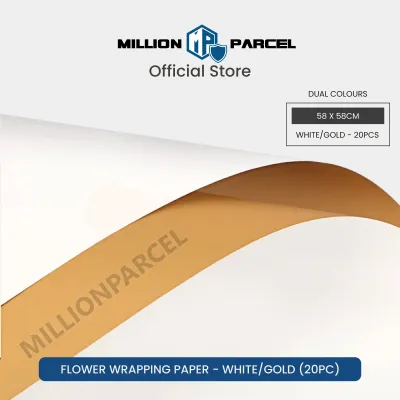
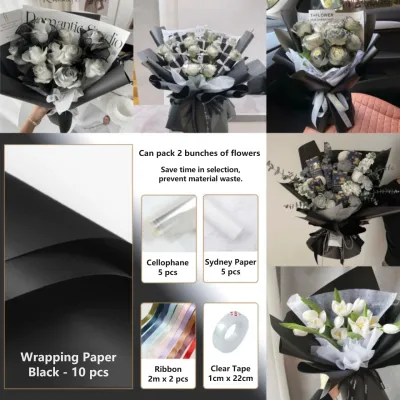
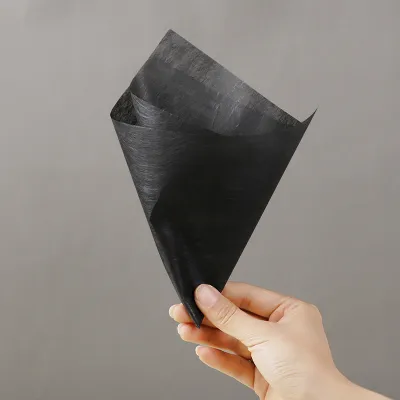

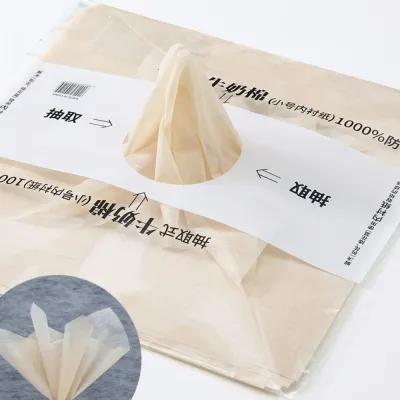
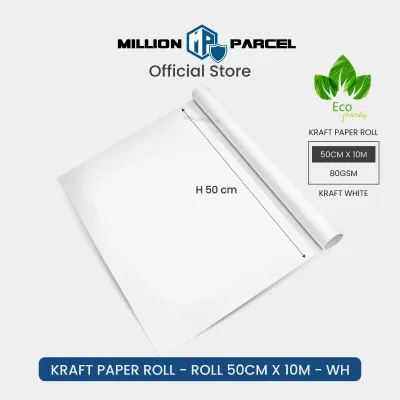
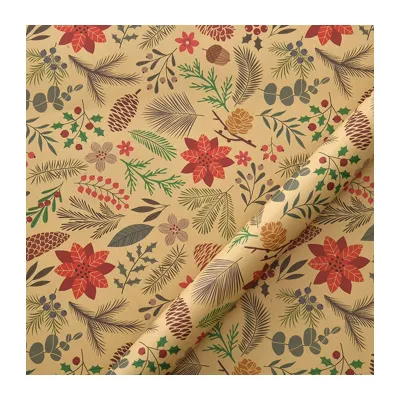
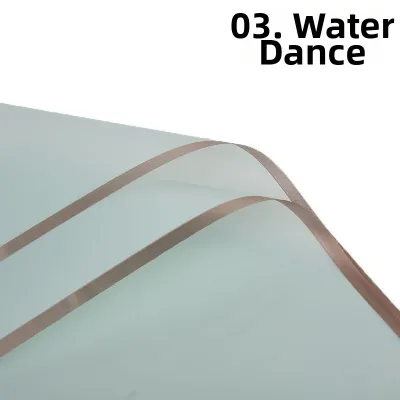
Prices are valid at publication and may change. Please refer to the product page for the latest price.
Consider the practical journey the bouquet will take from your workspace to the recipient. In Singapore, transporting flowers often involves moving between air-conditioned indoor spaces and hot, humid outdoor environments. This rapid temperature shift can cause condensation to form inside plastic wraps, potentially damaging delicate petals or softening non-waterproof papers. If the bouquet must travel a long distance or be held for several hours, selecting a structurally rigid wrap that supports the stems without crushing them is vital for maintaining the arrangement’s integrity.
Comparing Core Wrapping Paper Materials and Textures
The floral wrapping market offers a diverse array of materials, each engineered for specific aesthetic and functional roles. Understanding these differences allows you to select the ideal medium for your project.

Korean-Style Matte and Waterproof Papers
Often made from Biaxially Oriented Polypropylene (BOPP), these plastic-based papers are highly favored in modern floristry for their complete water resistance and elegant, velvety finish. They do not absorb water, meaning they remain perfectly rigid and pristine even when in direct contact with wet stems or water-soaked floral foam. The matte surface diffuses light beautifully, providing a soft, high-end look that complements pastel-colored roses and modern, airy arrangements. When working with these papers, look for options with excellent opacity so the green stems do not show through unless intended.
Kraft and Recycled Papers
For a rustic, organic, or vintage aesthetic, traditional kraft paper remains an excellent choice. Made from wood pulp, kraft paper offers exceptional structural rigidity and holds crisp, clean folds better than almost any other material. It is highly suitable for dried flower bouquets, wildflower arrangements, or herb bundles where a natural, eco-friendly presentation is desired. However, standard kraft paper has virtually no water resistance; it absorbs moisture rapidly, leading to dark water stains and structural weakening. If you wish to use kraft paper for fresh flowers, ensure you pair it with a waterproof inner liner or select a wax-coated variant.
Mesh, Organza, and Non-Woven Fabrics
These materials introduce texture, volume, and transparency to layered bouquet designs. Mesh and organza are highly breathable and lightweight, making them perfect for creating voluminous outer collars or ruffles that frame a bouquet without adding heavy physical weight. Non-woven fabrics, made from bonded synthetic fibers, offer a soft, cloth-like drape that resists tearing and does not fray at the edges. While these materials do not provide a waterproof barrier on their own, they are excellent for layering over solid waterproof sheets to add depth, softness, and a sense of luxury.
Glassine and Wax-Coated Options
Glassine is a smooth, translucent paper that is resistant to water and grease, making it a traditional favorite for delicate wrapping. Wax-coated papers offer a similar semi-translucent quality with enhanced moisture resistance. These papers are ideal for wrapping the immediate base of a fresh bouquet or lining the inside of gift boxes and baskets. They prevent dampness from seeping through to the outer decorative layers while maintaining a clean, classic appearance. Their slight transparency allows for beautiful layering effects when placed over colored backing sheets.
Evaluating Brands and Sourcing Channels in Singapore
Finding high-quality flower wrapping paper in Singapore involves navigating various local suppliers, specialty wholesalers, and online platforms. To ensure you receive durable materials that perform well under real-world conditions, it is important to evaluate product specifications carefully rather than relying solely on brand names.
When browsing product listings, pay close attention to the grammage, measured in grams per square meter (GSM). For paper-based wraps, a higher GSM (typically between 60 and 80 GSM) indicates a thicker, more durable sheet that is less likely to tear when folded tightly around stems. For waterproof BOPP films, look for thickness specifications, usually measured in microns; thicker films offer better structural support for larger bouquets. Always verify the sheet dimensions to ensure they match your intended arrangement sizes, as standard pre-cut sheets can vary significantly.
User reviews on local online marketplaces and ecommerce platforms are invaluable for assessing real-world performance. Look for specific feedback regarding colorfastness; lower-quality dyed papers can bleed color when they come into contact with water, staining both the recipient’s hands and the flower stems. Reviews will also highlight whether a paper tears easily under tension or if the matte coating scratches off during the folding process. If a listing lacks detailed specifications or user feedback, it may be wise to purchase a small trial quantity before committing to a bulk order.
For immediate needs or to inspect materials in person, visiting specialized floral supply shops and craft stores in areas like Middle Road, Bugis, or wholesale hubs in Outram is highly recommended. These physical stores allow you to feel the texture, test the stiffness, and verify the true colors of the paper under natural light. Bulk packs of 20 sheets typically range from S$5 to S$15 depending on the material, making physical inspection a great way to ensure value. If you are sourcing materials for a large event, such as a wedding or a corporate function, inquire about bulk pricing and ask if the supplier can provide physical sample swatches. This step ensures color consistency across all your decorative elements.
Calculating Sheet Sizes and Quantities for Different Arrangements
Accurately estimating the amount of wrapping paper required for an arrangement prevents material waste and ensures your bouquet has adequate structural support. Using sheets that are too small leads to exposed stems and a cramped appearance, while excessively large sheets can overwhelm the flowers and look messy.
Standard pre-cut floral wrapping sheets typically measure 50×50 cm or 60×60 cm. For a single-stem presentation or a very small nosegay, a single sheet cut into halves or quarters is usually sufficient to create a neat, protective cone. A medium-sized, hand-tied bouquet containing 10 to 15 stems generally requires three to five full sheets of 60×60 cm paper to build up the necessary layers, folds, and outer collar. Large, cascading arrangements or dense round bouquets may require six or more sheets to achieve full coverage and a voluminous, layered look.
When planning your layout, remember to account for the overlapping required by modern wrapping techniques. Many popular styles, such as the multi-layered Korean wrapping method, rely on folding sheets asymmetrically and layering them sequentially around the bouquet base. This process consumes significantly more paper than a simple single-sheet wrap. Additionally, always factor in a 10% to 15% material buffer when purchasing. This extra allowance accommodates unexpected cutting mistakes, creased sheets, or accidental tears during the wrapping process, ensuring you do not run out of matching paper mid-project.
Selecting Complementary Ribbons and Securing Accessories
The final step in presenting a beautiful bouquet is securing the wrapping paper and adding decorative accents. The choice of ties and ribbons should harmonize with the paper’s texture while providing reliable structural support.
The ribbon material should complement the overall weight and style of the bouquet. For a rustic look featuring kraft paper, natural jute twine, cotton cords, or raffia work beautifully to enhance the organic aesthetic. For luxurious or modern arrangements wrapped in matte BOPP or non-woven fabrics, high-quality double-sided satin, grosgrain, or velvet ribbons add a touch of elegance. If the bouquet is highly hydrated or likely to be exposed to water droplets, opt for waterproof polyester or polypropylene ribbons to prevent sagging and color bleeding.
Before applying the outer decorative ribbon, the structural base of the bouquet must be securely bound. Use professional floral tape, waterproof binding wire, or sturdy rubber bands to clamp the stems tightly at the binding point. This step ensures the flowers remain in their designed positions and do not shift inside the wrap. Once the stems are secured, the wrapping paper can be folded around the bouquet and held in place with double-sided tape or clear floral tape before the final decorative ribbon is tied over the binding point.
When tying the outer ribbon, apply enough tension to hold the paper snugly against the stems without crushing them. Overly tight binding can restrict water uptake in fresh flowers, leading to premature wilting, and can cause delicate stems to snap. It can also put excessive stress on the wrapping paper, causing it to tear at the tension points. A properly tied ribbon should feel secure, sit neatly at the narrowest part of the bouquet’s neck, and enhance the natural drape of the wrapping paper.
Frequently Asked Questions (FAQ)
Can I use regular craft paper for fresh flower bouquets?
Regular craft paper is not recommended for fresh flower bouquets unless it is paired with a waterproof inner liner. Because standard craft paper lacks water resistance, it quickly absorbs moisture from wet stems, water tubes, or condensation. This absorption leads to unsightly water stains, color bleeding, and a rapid loss of structural integrity, causing the wrap to sag and tear easily. If you prefer the look of craft paper, always wrap the wet stem bases in a plastic sheet or waterproof film before applying the outer craft paper layer.
How do I prevent flower wrapping paper from tearing at the stems?
To prevent tearing, ensure you secure the stems tightly with floral tape or a rubber band before wrapping, which prevents the stems from shifting and poking through the paper. You can also reinforce the base of the wrapping paper by adding a small layer of clear tape or a double fold at the high-tension binding point. When folding the paper around the stems, avoid pulling it too tightly; instead, allow the paper to drape naturally and secure it with double-sided tape to distribute the tension evenly across the sheet.
Is it necessary to buy pre-cut sheets, or can I buy rolls?
The choice between pre-cut sheets and continuous rolls depends on your usage volume and storage space. Pre-cut sheets (usually 50×50 cm or 60×60 cm) offer maximum convenience, as they are ready to use, easy to store flat, and reduce preparation time for standard-sized bouquets. Continuous rolls provide greater flexibility, allowing you to cut custom lengths for exceptionally large or unusually shaped arrangements, and are generally more cost-effective for high-volume use. However, rolls require more storage space and a cutting tool to ensure clean, straight edges.

Community discussion
Share your experience or ask a question. Comments are reviewed before publication.