
Selecting a desk calendar in August 2026 requires a shift in perspective compared to the typical year-end shopping rush. Whether you are looking to organize the remaining months of the year, preparing for an upcoming academic term, or setting up a fiscal tracking system, the right calendar serves as both a functional tool and a visual anchor for your workspace. Instead of relying on subjective lists of popular brands, finding the ideal desk calendar involves evaluating specific physical properties, structural designs, and paper specifications that suit your writing instruments and desk environment.
In Singapore’s tropical climate, stationery faces unique challenges, particularly regarding humidity and paper preservation. A high-quality brand must offer more than just appealing aesthetics; it must deliver structural integrity that prevents warping and paper that resists ink feathering. By understanding how to read product specifications and match them to your personal planning habits, you can confidently select a desk calendar that remains durable, legible, and highly functional throughout its entire lifespan.
Key Criteria for Evaluating Desk Calendar Brands
When assessing different desk calendar brands, the paper quality is the most critical factor governing your daily writing experience. Paper weight is measured in GSM (grams per square meter), which directly indicates the density and thickness of the sheets. For standard ballpoint pens, a paper weight of 80 GSM to 100 GSM is generally sufficient to prevent impressions on the reverse side. However, if you prefer using gel pens, fountain pens, or water-based highlighters, you should target brands that specify a paper weight of 120 GSM to 150 GSM. Heavier paper prevents ink from bleeding through to the next month’s page and minimizes ghosting, ensuring that your schedule remains clean and readable.
Products mentioned in this guide
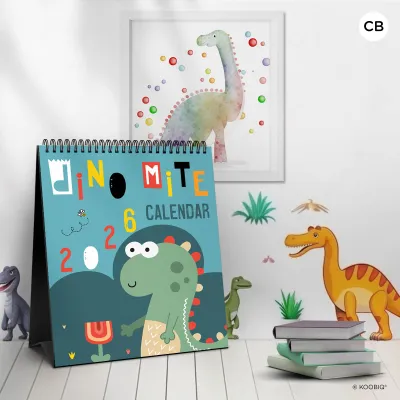
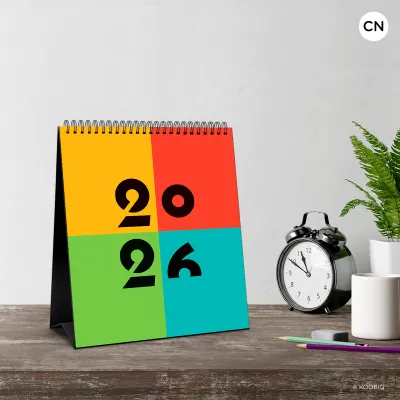
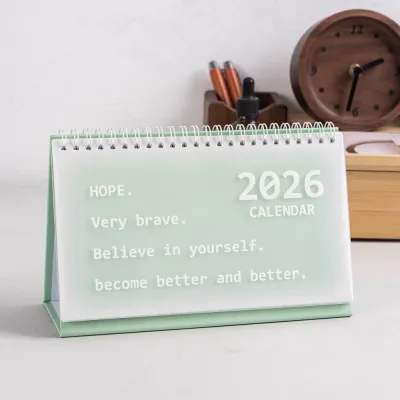
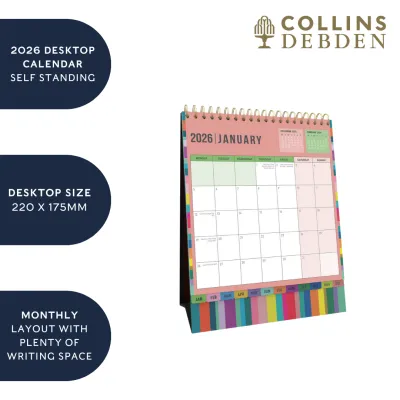
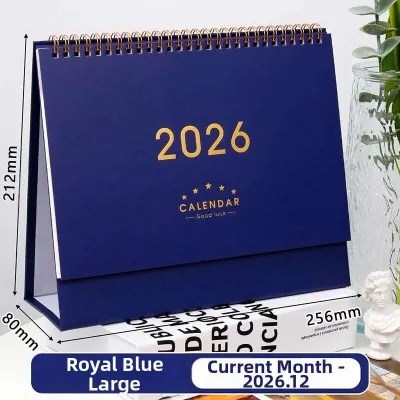
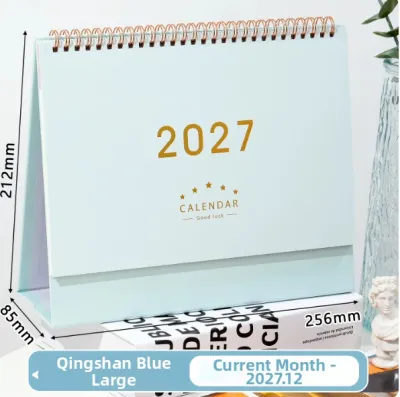
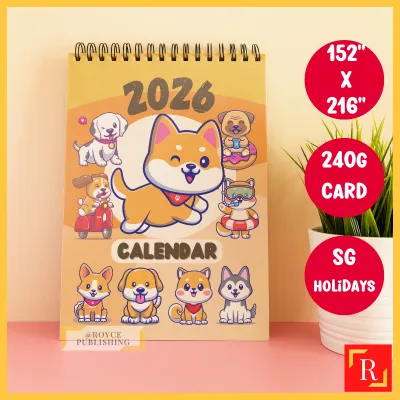
Prices are valid at publication and may change. Please refer to the product page for the latest price.
Beyond weight, the texture and coating of the paper dictate ink drying speeds and writing smoothness. Uncoated, matte paper is highly absorbent, which is advantageous in humid environments because it allows liquid inks to dry quickly, reducing the risk of smudging when you close or flip the calendar. Conversely, coated or semi-glossy papers offer vibrant color reproduction and crisp grid lines, but they require longer drying times and may cause certain gel inks to bead up or smear. To verify compatibility, perform a quick scratch-and-dry test on a corner of the paper if shopping in a physical store, or look for manufacturer descriptions that explicitly state “fountain-pen-friendly” or “uncoated matte finish.”
The binding mechanism determines how easily you can interact with the calendar on a daily basis. Wire-O binding, which utilizes double-loop metal rings, is widely considered the industry standard for premium desk calendars. This design allows the pages to turn a full 360 degrees and lie completely flat without putting tension on the spine. Single spiral bindings are also common but can sometimes cause pages to misalign or catch on the wire over time. Glued or stitch-bound calendars offer a sleek, book-like aesthetic, but they require a reliable adhesive that will not crack under repeated flipping, especially when exposed to fluctuating indoor temperatures.
Finally, the stability of the calendar’s stand is paramount to preventing daily frustration. Most desk calendars utilize a triangular “tent” structure made of cardboard, but the thickness and reinforcement of this base vary significantly between brands. High-quality brands use thick, high-density greyboard or chipboard (often wrapped in durable kraft paper or bookbinding cloth) for the stand. The base width should be wide enough—typically between 7 cm and 10 cm—to prevent the calendar from tipping over when you write on it or when it is subjected to drafts from nearby fans or air conditioning units.
Matching Calendar Formats to Your Planning Style
Different calendar brands cater to distinct organizational workflows, making it essential to match the layout format to your specific planning style. The classic monthly grid is the most prevalent layout, offering a comprehensive overview of the entire month on a single page. This format is ideal for tracking high-level milestones, project deadlines, public holidays, and personal appointments. When evaluating monthly grids, look at the size of the individual daily blocks; a block size of at least 3 cm by 3 cm is recommended if you need to write multiple entries per day.

For those who require granular task management, some brands offer hybrid layouts that combine a monthly overview with weekly or daily breakdown sections. These formats often feature a flip-over design where one side of the card displays the month, while the reverse side provides lined space for weekly to-do lists, habit trackers, or project notes. While these hybrid calendars offer excellent information density, they also increase the thickness and weight of the calendar, requiring a much sturdier stand to support the extra pages.
Another major design distinction lies between tear-off pads and flip-stand calendars. Tear-off calendars, which are often designed as flat desk blotters, allow you to discard the past month entirely, keeping your desk free of historical clutter. However, this means you lose access to past notes and scheduling data. Flip-stand calendars preserve the entire year’s record, allowing you to flip back to previous months to verify past meeting dates or notes. For professional environments where record-keeping is vital, a flip-stand model is generally the more practical choice.
Additionally, pay close attention to the date range and start month of the calendar, which is particularly crucial when purchasing mid-year in August 2026. While standard calendars run strictly from January to December, academic and fiscal-focused brands often offer 16-month or 18-month variations. These extended formats might start in July or September, making them highly cost-effective options if you are buying later in the year. Purchasing a calendar that aligns with your specific academic or corporate cycle ensures you do not pay for several months of blank, unusable pages.
Verifying Brand Quality and Specifications Before Purchase
To avoid disappointment when purchasing a desk calendar online or in-store, you must actively verify the manufacturer’s specifications rather than relying on promotional imagery. Always check the exact physical dimensions listed in the product description. Photos can be deceptive, often making a compact A6-sized calendar appear as large as an A5 or A4 model. Translate the measurements (such as 21 cm x 14.8 cm for A5) to your actual desk space using a ruler to ensure the calendar will fit comfortably alongside your keyboard, mouse, and other work essentials without causing clutter.
When shopping on online marketplaces, customer reviews are an invaluable resource for identifying potential quality issues that are not visible in polished product photos. Filter reviews to look for specific feedback regarding the durability of the stand and the alignment of the printing. Common complaints to watch out for include stands that collapse under the weight of the paper, misaligned date grids, or pages that arrive bent due to poor shipping protection. If multiple reviews mention that the paper is thin enough to show ink from the previous page, it is a clear sign to look for a brand with a higher GSM rating.
Furthermore, review the seller’s return and exchange policies before finalizing your purchase. Paper products are delicate and can easily sustain damage during transit, such as bent corners, torn pages, or crushed wire bindings. A reputable brand or retailer should offer a clear return window—typically 7 to 15 days—for items that arrive damaged or defective. Ensure that the seller packages the calendar with rigid cardboard backing or bubble wrap to mitigate the risk of bending during local delivery.
Building Your Conditional 2026 Desk Calendar Shortlist
Instead of searching for a single “best” brand, you should construct a personalized shortlist based on how your writing habits and workspace requirements align with specific brand characteristics. By categorizing your needs, you can narrow down the options to the brands that offer the exact specifications required for your daily routine.
If you are a heavy writer who uses fountain pens, brush pens, or heavy markers for journaling and color-coding, your shortlist should prioritize brands that specialize in premium paper engineering. Look for manufacturers that explicitly advertise acid-free, high-GSM paper (120 GSM to 150 GSM) with a smooth, uncoated finish. These brands often design calendars with minimal decorative elements, leaving maximum white space for your personal writing and creative layouts.
For those with minimalist desk setups or limited workspace, your shortlist should focus on brands that emphasize compact footprints and clean aesthetics. Seek out calendars with dimensions under 15 cm in width and height, featuring slim, rigid backing boards rather than wide triangular bases. These brands typically utilize neutral color palettes, elegant pastel tones, and high-contrast, sans-serif typography that blends seamlessly into a modern, clutter-free office environment.
Busy professionals who manage complex schedules should target brands that offer high-utility layouts. Your shortlist should feature calendars with large daily blocks, dedicated margins for weekly goals, and integrated public holiday indicators. The stand must be exceptionally robust, utilizing heavy-duty chipboard to ensure the calendar remains stable even when you quickly jot down notes with one hand during a phone call.
Finally, when shopping in August 2026, verify the remaining stock and availability of your shortlisted options. Many retailers begin clearing out 2026 inventory at discounted prices during the second half of the year, which can offer excellent value if you only need the calendar for the remaining months. Alternatively, look for brands that offer undated desk calendars; these allow you to write in the dates yourself, ensuring that no pages are wasted and allowing you to transition smoothly into the following year without interruption.
Frequently Asked Questions (FAQ)
Can I still buy a 2026 desk calendar in August?
Yes, you can still purchase 2026 desk calendars in August, though the available inventory and pricing dynamics will have shifted. By mid-year, many physical stationery stores and online marketplaces transition to clearance mode, offering remaining 2026 stock at significant discounts. While this is highly economical, the selection of designs and formats may be limited. When buying at this time, carefully check the start and end dates of the calendar. To maximize your purchase, look for brands offering 16-month or 18-month formats that extend well into 2027, or consider an undated desk calendar that allows you to customize the months and avoid wasting paper.
How do I prevent my desk calendar pages from curling?
Page curling is a common issue in Singapore due to high relative humidity, which softens paper fibers and causes them to expand unevenly. To prevent your calendar pages from warping, place the calendar away from direct sources of moisture, such as open windows, humidifiers, or direct drafts from air conditioning vents. Choosing a brand that uses heavier paper (120 GSM and above) and a rigid backing board naturally helps the pages resist environmental moisture. If curling does occur, you can gently flatten the pages by placing a heavy, flat object, such as a large textbook, over the closed calendar overnight to restore its shape.

Community discussion
Share your experience or ask a question. Comments are reviewed before publication.