
Selecting a happy teachers day card in Singapore is more than a simple errand; it is an opportunity to convey genuine appreciation through a tactile, lasting keepsake. While digital messages are convenient, a physical card carries a sense of weight and personal effort that teachers deeply value. To find a card that stands out, you must look beyond standard designs and evaluate the physical characteristics of the stationery. By understanding how paper weight, printing techniques, and design styles interact, you can choose a card that not only looks beautiful but also survives years of safekeeping in a teacher’s desk drawer.
Evaluating Paper Quality and Design Details
The tactile feel of a card is the first indicator of its quality. When browsing different brands, pay close attention to the paper weight, which is measured in grams per square meter (GSM). A premium greeting card should ideally be printed on stock that ranges between 250 GSM and 350 GSM. Anything lighter than 200 GSM can feel flimsy, like standard printer paper, and may sag when stood upright on a teacher’s desk.
The finish of the paper also dictates how the card looks and feels. Matte stocks offer a smooth, non-reflective surface that is excellent for readability and writing, while uncoated textured papers, such as felt or linen finishes, add a luxurious, organic feel. Glossy stocks make colors pop with high contrast, but they can be highly reflective and difficult to write on without the ink smudging.
Products mentioned in this guide
![[GC 31] Greeting Card | Gift Card | Teachers Day Cards 教师节贺卡 | Thank You My Teacher 谢谢您老师](https://img.lazcdn.com/g/ff/kf/S847a15098c834edea658526eca319a2fK.jpg_400x400q80.jpg_.webp)
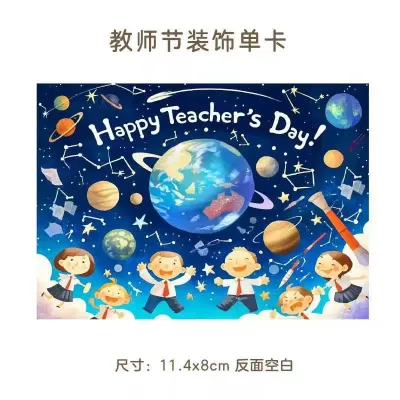
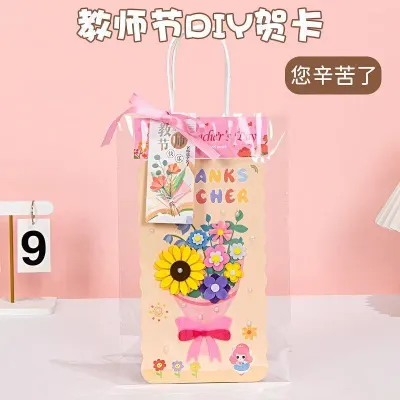
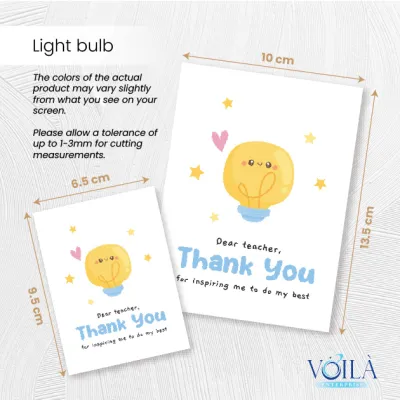
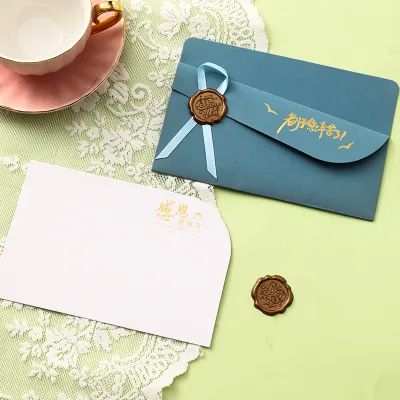
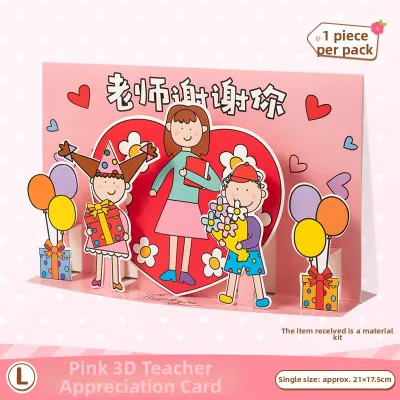
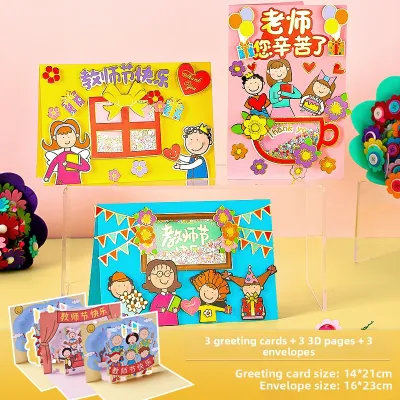
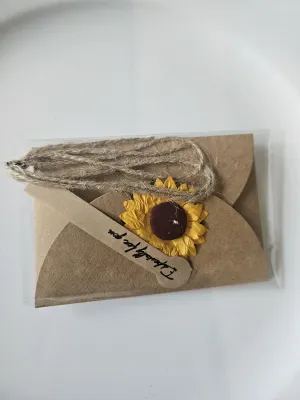
Prices are valid at publication and may change. Please refer to the product page for the latest price.
Beyond the paper itself, the printing techniques employed by a brand elevate a card from a simple printout to a work of art. Standard digital printing is common and cost-effective, but premium brands often incorporate specialty finishes. Foil stamping—where metallic foil is pressed into the paper—adds a catching shimmer that highlights key text or design elements.
Embossing and debossing create raised or recessed three-dimensional patterns, giving the card a tactile depth that invites touch. Letterpress, a traditional technique where inked plates are pressed directly into thick, soft paper, leaves a deep, crisp impression that signifies artisanal craftsmanship.
Do not overlook the envelope, as it is the first thing the recipient encounters. A high-quality card should be paired with an envelope of matching caliber, typically made from paper weighing at least 100 GSM to 120 GSM. Check that the envelope is slightly larger than the card to prevent bent corners, and inspect the sealing flap. A structurally sound flap with a reliable adhesive strip—whether moisture-activated or peel-and-seal—ensures the card remains secure during transit or when slipped into a staffroom pigeonhole.
Finally, examine the interior layout of the card. While some cards feature elaborate pre-printed sentiments, a truly thoughtful card requires space for a personalized message. Look for designs that balance a clean, elegant cover with a blank or minimally decorated interior. This provides ample room for a student to write a heartfelt note, share a specific memory, or express gratitude in their own handwriting, which is often the most cherished part of the gift.
Navigating Card Brand Categories in Singapore
The greeting card market in Singapore is diverse, offering options that cater to different tastes, budgets, and timelines. Generally, card brands can be divided into three primary categories: local independent designers, international stationery houses, and custom print-on-demand or e-commerce platforms.

Each category presents distinct trade-offs. Mass-produced cards offer convenience and lower price points but may lack a personal touch. Artisanal, local designs provide unique cultural relevance and high-quality materials but may require more effort to source. Custom platforms offer unparalleled personalization but demand longer lead times and careful quality verification.
Local Independent Designers and Artisanal Studios
Local independent designers in Singapore have carved out a unique niche by creating cards that resonate deeply with the local school experience. These artisanal studios often feature hand-drawn illustrations, watercolor aesthetics, and elegant hand-lettering. Many incorporate local motifs, subtle cultural humor, or school-themed puns that standard international cards cannot replicate. This makes them highly relatable for teachers who appreciate a touch of local flavor or a shared inside joke about school life in Singapore.
These boutique brands typically sell their creations through independent bookstores, local lifestyle boutiques, museum shops, and dedicated brand websites. They are also frequent fixtures at local craft fairs and makers’ markets. Because these cards are produced in smaller batches, they often utilize premium, eco-friendly paper stocks and unique textures that set them apart from mass-market alternatives.
However, shopping from independent local designers requires some planning. Because they operate on a smaller scale, popular designs can sell out quickly as Teacher’s Day approaches. Additionally, if you are ordering directly from their online storefronts, you should account for standard local shipping times, which can take several business days. Sourcing these cards early ensures you secure the exact design you want without the stress of last-minute shopping.
International Stationery and Lifestyle Brands
For those who prefer a classic, universally elegant aesthetic, international stationery and lifestyle brands offer exceptional consistency and design polish. These established global names are known for their sophisticated design themes, which frequently feature clean minimalism, structured floral patterns, and refined typography. Their cards often project a formal, highly professional image, making them excellent choices for secondary school teachers, lecturers, or tutors with whom you share a more formal academic relationship.
These international brands are widely accessible across Singapore. You can find them in major department stores, high-end bookstores, and dedicated lifestyle boutiques in central shopping districts. Because they operate on a global scale, their manufacturing standards are highly standardized. You can expect consistent paper weight, precise color reproduction, and perfectly fitted envelopes with every purchase.
The primary advantage of choosing an international brand is immediate availability and predictable quality. You can walk into a physical store, feel the paper texture yourself, and purchase the card on the spot. While these cards may carry a slightly higher price tag due to import costs, the reliable construction and timeless designs make them a safe and sophisticated choice for any educator.
Custom Printing and E-commerce Platforms
If you are looking to purchase cards in bulk for multiple teachers, or if you want to create a highly personalized keepsake, custom printing services and online marketplaces offer a flexible, budget-friendly solution. Print-on-demand platforms allow you to upload custom designs, integrate class photos, or print specific school colors and logos directly onto the card. This is particularly popular for class-wide gifts, where every student signs a single, large-format custom card.
When navigating online marketplaces, it is crucial to employ smart shopping strategies to ensure you receive a quality product. Always check seller reviews, paying close attention to photos uploaded by previous buyers. Verify the listed paper specifications in the product description; look for explicit mentions of paper weight (such as 300 GSM) and finish. Be wary of listings that use vague terms like “high-quality paper” without providing concrete specifications.
One of the main risks associated with custom printing and online ordering is color discrepancy. The colors you see on a backlit digital screen can appear significantly different when printed on physical paper, which absorbs light. To minimize this risk, choose designs with high-contrast elements and avoid overly dark or muddy color palettes. Additionally, allow ample buffer time for shipping, especially if the items are being dispatched from overseas warehouses, to ensure they arrive well before the school celebrations begin.
Aligning the Design With Your Teacher and Message
A card is most impactful when its design aligns with the recipient’s personality and the nature of your relationship. When selecting a design, consider the teacher’s subject area or personal interests. For instance, a science teacher might appreciate a card featuring subtle laboratory motifs or a clever physics pun, while a literature teacher might connect more with elegant typography or a classic literary quote. If you are unsure of their specific hobbies, universal designs featuring abstract geometric patterns, botanical illustrations, or simple, tasteful floral arrangements are safe, universally appreciated options.
The tone of the card should also reflect the level of formality in your relationship. For younger students or teachers with a highly casual, interactive teaching style, a lighthearted, humorous card can be a wonderful way to celebrate their approachable nature. However, for senior educators, principals, or lecturers, a more traditional, respectful design with classic typography and heartfelt sentiments is often more appropriate. Striking the right balance ensures the gesture is received with the warmth and respect it deserves.
Furthermore, match the physical format of the card to the length of your intended message. A standard fold-over card is highly versatile, providing a clean cover and a protected interior for a medium-to-long message. If you plan to write a brief, punchy note of thanks, a flat postcard-style card is an elegant, modern choice that looks great displayed on a noticeboard. For a truly dramatic presentation, a three-dimensional pop-up card can serve as a standalone decorative piece for the teacher’s desk, though these typically offer limited space for writing and are best paired with a small, separate note if you have a longer message to convey.
Final Purchase Checks and Delivery Considerations
Before finalizing your purchase, perform a few practical checks to ensure the card meets your expectations and arrives in perfect condition. First, verify the exact dimensions of the card. Standard sizes like A6 (105mm x 148mm) or A5 (148mm x 210mm) are easy to handle, but oversized or unusually shaped cards may require extra postage if mailed, or they might not fit easily into standard school lockers or gift bags. Ensure the card’s dimensions are compatible with any gift boxes or bags you plan to use.
If you are purchasing delicate cards—such as those with intricate laser-cut details, pop-up structures, or heavy foil stamping—check the retailer’s packaging and return policies. These cards can easily crease, bend, or tear if they are not shipped in rigid, bend-proof mailers. Look for sellers that guarantee safe delivery or offer replacements for items damaged in transit.
Finally, confirm the shipping origin and estimated delivery timelines. If you are ordering online, especially during peak seasons, shipping networks can experience delays. Sourcing your cards from local sellers or choosing express delivery options can mitigate the risk of late arrival. Aim to have the card in hand at least a week before Teacher’s Day, giving you or your child plenty of time to write a thoughtful, unhurried message.
Frequently Asked Questions (FAQ)
What is the standard size for a greeting card, and does it matter?
The most common standard sizes for greeting cards are A6 (approximately 10.5 cm x 14.8 cm) and A5 (approximately 14.8 cm x 21 cm), along with the popular American standard sizes like A2 (4.25 inches x 5.5 inches) and A7 (5 inches x 7 inches). Checking the size matters because it dictates the envelope compatibility and the amount of space you have for writing. Standard sizes are also much easier to display on desks or noticeboards and fit standard mailing slots without requiring additional postage or custom-made envelopes.
How can I ensure my handwritten message does not smudge on the card?
To prevent smudging, you must match your pen’s ink type to the card’s paper finish. For glossy or highly coated paper finishes, avoid slow-drying gel pens, rollerballs, and fountain inks, as they will pool on the surface and smear easily; instead, use a standard ballpoint pen or a fine-tip permanent marker. If you prefer writing with a fountain pen or a smooth gel pen, select cards made from uncoated, matte, or textured paper stocks, which absorb water-based inks quickly and resist bleeding. Always perform a small ink test on a hidden corner or a scrap piece of similar paper if you are unsure.
Is it better to buy a single premium card or a multipack for multiple teachers?
The choice depends on your budget and the depth of your relationship with each teacher. If you want to write highly personalized, deeply detailed messages to one or two key mentors, investing in individual premium cards from local or international brands makes a strong, memorable impact. However, if you or your child wish to show appreciation to a large number of subject teachers, co-curricular activity instructors, and school staff, a high-quality multipack is highly cost-effective. Multipacks offer design consistency and convenience while still allowing you to personalize the interior message for each recipient.

Community discussion
Share your experience or ask a question. Comments are reviewed before publication.