
Selecting the perfect wrapping paper for children’s gifts involves balancing vibrant, engaging designs with material safety and physical durability. In Singapore’s warm and humid climate, this choice requires even closer attention, as moisture in the air can affect how paper folds, how inks behave, and how well adhesives hold. When wrapping presents for little ones, the paper is more than just a cover; it is the first point of sensory contact, often handled closely, examined with excitement, and sometimes even chewed on by curious toddlers.
Rather than simply grabbing the brightest roll on the shelf, taking a systematic approach to evaluating wrapping materials ensures a delightful and safe experience. By understanding what makes wrapping paper durable, how to verify safety claims, and where to source high-quality options, you can elevate your gift-giving while protecting the children you care about. This guide outlines the essential factors to consider when choosing kids’ wrapping paper, helping you make informed decisions for every celebration.
What to Look for in Kids Wrapping Paper
When evaluating wrapping paper for children, material safety should always be your primary consideration. Many commercial wrapping papers are treated with synthetic glazes, plastic laminates, or heavy metal-based inks to achieve high-gloss finishes and bright colors. For children’s gifts, it is best to look for papers printed with non-toxic, water-based, or soy-based inks. These alternatives do not release harmful volatile organic compounds (VOCs) and are much safer if a child accidentally puts the paper near their mouth. A quick sensory check is highly effective: if a roll of paper emits a strong, chemical, or gasoline-like odor upon opening, it likely contains high levels of industrial solvents and should be avoided.
Products mentioned in this guide
![[Best Seller] Unicorn/ Cute/ Flamingos/ Panda/ Space/ Cartoon animal/ Childrens favorite style (100g thick) DIY Gift Wrapping Paper Party Decorate](https://img.lazcdn.com/g/p/7373abba7684215b0b5925d31c370884.jpg_400x400q80.jpg_.webp)
![[10 Rolls] 2nd Item 50% Off -Clearance sale! / Flamingos/ Panda/ Space/ Cartoon animal/ Childrens favorite style (100g thick) Gift wrapping paper](https://img.lazcdn.com/g/p/ebcc188a4983dbb4a78527cedda17669.jpg_400x400q80.jpg_.webp)
![[SG] Cartoon Animal gift wrapping paper Fast Shipping DIY packaging paper Birthday package Gift wrapper packing paper Christmas Childrens day](https://img.lazcdn.com/g/p/67618f503ad85b0eacf0b40e1929a55e.jpg_400x400q80.jpg_.webp)
Prices are valid at publication and may change. Please refer to the product page for the latest price.
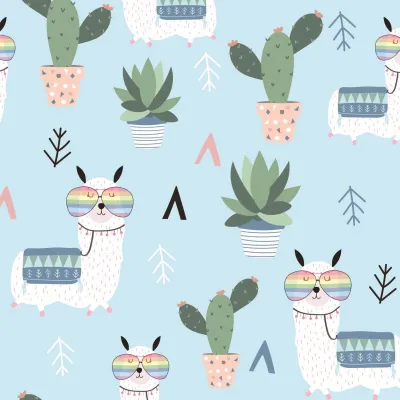
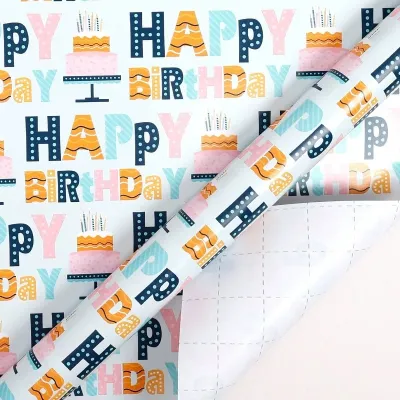
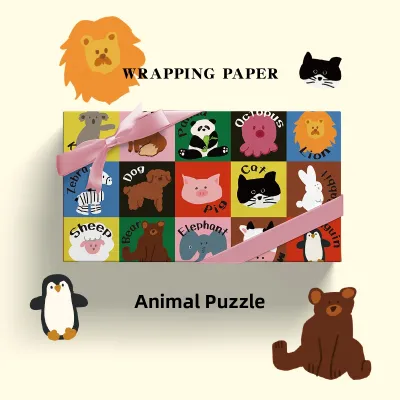
Design suitability is another crucial element that varies significantly with the child’s age. For infants and toddlers, high-contrast patterns, large animal illustrations, and bright primary colors are highly engaging. Older children often prefer specific character prints, whimsical fantasy themes, or interactive elements. Interactive wrapping papers, such as those featuring black-and-white outlines designed for coloring in, turn the wrapping itself into an engaging pre-gift activity. When choosing patterns, consider how the scale of the print matches the size of the gift; large-scale character prints can get lost on tiny jewelry boxes, while tiny repeating patterns might look sparse on large toy boxes.
The physical properties of the paper dictate how easy it is to work with and how well it holds up before the unwrapping moment. Paper thickness is measured in grams per square meter (GSM), and for wrapping paper, the ideal range is typically between 70 GSM and 90 GSM. Paper that is too thin (under 60 GSM) tears easily at the corners of toy boxes during wrapping and can allow the gift’s packaging to show through. Conversely, paper that is too thick (over 100 GSM), such as heavy kraft paper, is stiff and difficult to fold neatly. It resists standard adhesive tapes, often springing open at the seams, especially in Singapore’s humid conditions which can weaken tape adhesives over time. Look for paper that offers a balance of smooth foldability and reasonable tear resistance.
Where to Find Reliable Kids Wrapping Paper Brands
Sourcing high-quality wrapping paper in Singapore can be done through several reliable retail channels, each offering distinct advantages. Visiting physical stationery chains, established bookstores, and specialty gift boutiques is highly recommended if you want to perform a tactile inspection. Handling the paper in person allows you to feel its weight, assess its texture, and check for any unpleasant chemical odors. Physical stores also let you verify the true colors of the prints, which can sometimes look different on digital screens. Many premium stationery shops curate selections from reputable international and local design studios that prioritize eco-friendly and child-safe materials.

For a wider selection and detailed product specifications, official brand websites and authorized online storefronts are excellent resources. Reputable manufacturers often publish comprehensive details about their production processes, including the source of their paper fibers and the types of inks used. Buying directly from these official channels or their authorized distributors ensures you are getting genuine products rather than cheap counterfeits that may not adhere to safety standards. Many dedicated stationery brands also offer matching accessories, such as coordinated gift tags and paper ribbons, making it easy to create a cohesive look.
When utilizing general e-commerce platforms and online marketplaces, a cautious approach is necessary to ensure quality and safety. Because these platforms host numerous third-party sellers, you must actively filter listings to find reliable products. Look for sellers with high ratings and read recent customer reviews carefully, paying close attention to comments regarding paper thickness, print clarity, and packaging quality during transit. Avoid listings that lack clear brand names, manufacturer details, or material descriptions. If a deal seems too good to be true, such as bulk rolls sold at incredibly low prices, the paper may be thin, easily torn, or printed with low-grade industrial inks.
Matching the Right Paper to the Gift and Child
Selecting the ideal wrapping paper requires matching the physical characteristics of the paper to the shape of the gift and the developmental stage of the child. Before cutting your paper, assess the dimensions of the gift box to ensure your roll is wide enough to cover the item without requiring awkward patching. Standard wrapping paper rolls usually come in widths of 50 centimeters or 70 centimeters. For large, bulky items like board games or building block sets, a wider, sturdier paper is necessary to prevent accidental punctures. For smaller items, a narrower roll or pre-cut sheets reduce waste and make precise folding much easier.
The unwrapping experience should also be tailored to the child’s age and motor skills. Toddlers and very young children can easily become frustrated by tough, heavy-duty wrapping papers that resist tearing. For this age group, a lighter, standard-weight paper (around 70 GSM) or even layers of colorful tissue paper are ideal, as they tear easily and provide immediate satisfaction. Older children, who enjoy the suspense of unwrapping, can handle thicker, more durable papers. If you are wrapping a gift with sharp corners, such as a plastic toy box, choosing a slightly heavier paper (around 80 to 90 GSM) prevents the corners from piercing the wrap prematurely during transport or storage.
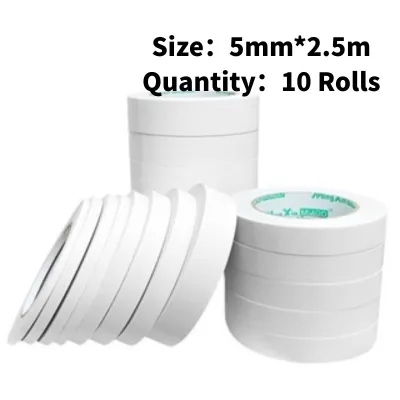
Completing the presentation involves choosing the right supplementary supplies, which must also be safe and functional. Standard plastic adhesive tape can lose its stickiness in humid environments, so high-quality double-sided tape is often preferred for a clean, seamless finish that stays secure. For an eco-friendly and child-safe alternative, paper-based washi tapes are excellent; they come in fun patterns, are easy for small hands to tear, and do not leave sticky residues. Avoid using sharp metal staples, thin plastic strings, or heavy synthetic ribbons that could pose a choking or cutting hazard to very young children. Instead, opt for soft cotton ribbons, paper raffia, or colorful yarn.
To help you choose the best paper characteristics for different types of children’s gifts, refer to the decision matrix below:
| Gift Type | Recommended Paper Weight (GSM) | Recommended Finish / Style | Key Wrapping Considerations |
|---|---|---|---|
| Small fragile items (e.g., ceramic mugs, delicate toys) | 70 – 80 GSM | Smooth, lightweight paper | Requires gentle folding; secure with double-sided tape to avoid pressure. |
| Large plush toys (soft, irregular shapes) | 80 – 90 GSM (or tissue paper layers) | Flexible, matte paper or fabric-like wrap | Avoid stiff paper that creases awkwardly; use soft folds or a gift sack style. |
| Odd-shaped building blocks / boxed sets | 80 – 100 GSM | Heavyweight, tear-resistant paper | Sharp box corners can puncture thin paper; reinforce corners with tape. |
| Interactive gifts (e.g., coloring books, activity sets) | 90 – 100 GSM | Uncoated, matte coloring-in paper | Allows the child to color the wrap; requires a sturdy surface for drawing. |
How to Verify Material Safety and Quality Claims
With many brands claiming to be safe, eco-friendly, or premium, it is important to know how to independently verify these assertions. Start by reading the manufacturer’s specifications and product labels carefully. Look for recognized international safety certifications, such as the European Toy Safety Standard (EN71-3), which limits the migration of heavy metals and toxic elements from toys and children’s products, including paper packaging. Another valuable certification is the Forest Stewardship Council (FSC) logo, which guarantees that the paper was sourced from responsibly managed forests. Brands that are transparent about their certifications will clearly print these logos on the packaging or product listings.
Visual and sensory inspections have limitations, but they remain highly useful tools. While a high-gloss, shiny finish might look attractive, it often indicates a plastic lamination layer (such as polypropylene or polyethylene) applied over the paper. This lamination makes the paper non-recyclable and can sometimes contain phthalates, which are chemical plasticizers often restricted in children’s products. Uncoated, matte, or satin-finish papers are generally safer and more environmentally friendly. If you are purchasing in bulk or remain uncertain about a product’s safety, do not hesitate to contact the seller or manufacturer to ask for a material safety declaration or product specification sheet.
Be alert to common red flags that indicate low-quality or potentially unsafe wrapping paper. A complete lack of manufacturer contact details, missing country of origin information, or vague marketing terms like “100% natural” or “non-toxic” without any supporting certification logos are major warning signs. Additionally, if the paper leaves a powdery residue or strong ink stains on your hands during wrapping, the ink has not been properly cured or is of low quality. This can easily transfer to a child’s skin or mouth. Investing a little extra time to verify these details ensures that your gift wrapping is as safe as it is beautiful.
Frequently Asked Questions (FAQ)
Is recycled wrapping paper safe for children's gifts?
Recycled wrapping paper is generally safe for children’s gifts, provided it is sourced from reputable brands that declare their processing methods. When choosing recycled options, look for papers processed without chlorine bleaching and printed with non-toxic, water-based, or vegetable-based inks. Keep in mind that recycled paper fibers are shorter, which can make the paper slightly more brittle and reduce its overall tear resistance. You may also notice tiny visible flecks or a slightly textured, matte surface. While this adds a charming, rustic look, it may not support highly detailed, glossy character prints as well as virgin paper. Always check the manufacturer’s label for specific child-safety assurances.
How much wrapping paper do I need for a standard toy box?
To calculate the required wrapping paper for a standard toy box, you can use a simple measurement formula. For the width of the paper roll, measure the box’s length and height, then double the height and add it to the length (Paper Width = Box Length + 2x Box Height). For the length of the paper needed to wrap around the box, measure the box’s width and height, double both, and add an overlap margin of about 5 centimeters (Paper Length = 2x Box Width + 2x Box Height + 5cm). Before purchasing, check the roll’s dimensions (typically listed as width by total length, such as 70cm x 2m) to ensure you have enough continuous paper without needing to patch pieces together.

Community discussion
Share your experience or ask a question. Comments are reviewed before publication.