
Gifting money, a practice deeply rooted in Indian traditions as a gesture of blessing, respect, and prosperity, relies heavily on presentation. The vessel for this gift—the money envelope, traditionally known as a shagun lifafa—is far more than mere packaging; it is a tangible reflection of the giver’s well-wishes and cultural appreciation. In Singapore’s diverse and multicultural landscape, finding an envelope that balances authentic design with premium physical quality requires a discerning eye. Whether you are preparing for a grand wedding celebration, a festive Diwali gathering, or an intimate housewarming ceremony, selecting the right envelope elevates the entire gifting experience and honors the recipient.
Navigating the local market involves understanding the diverse styles available, identifying high-quality craftsmanship, and knowing where to source these beautiful paper products both offline and online. Because these envelopes are often kept as keepsakes or reused, investing in well-made options ensures your gift leaves a lasting, positive impression. By focusing on material quality, design authenticity, and practical dimensions, you can confidently choose envelopes that perfectly suit any auspicious occasion.
Understanding Indian Money Envelope Styles and Occasions
Indian money envelopes come in a wide array of styles, materials, and formats, each suited to different types of celebrations and gifting customs. The most common style is the standard flat paper envelope, which is highly versatile and widely used for casual gifting, festive greetings, and smaller monetary tokens. These are typically made from cardstock or handmade paper and feature a simple flap closure. They are easy to store, write on, and distribute, making them a staple for annual festivals like Diwali or family gatherings.
Products mentioned in this guide
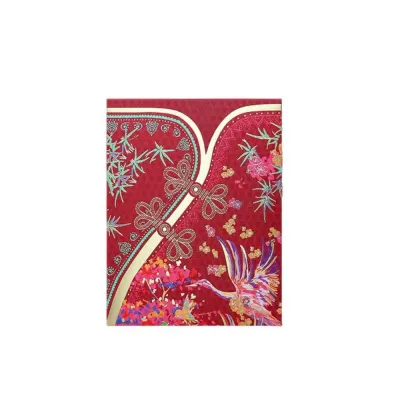
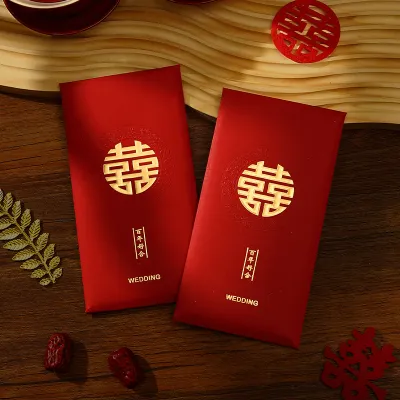
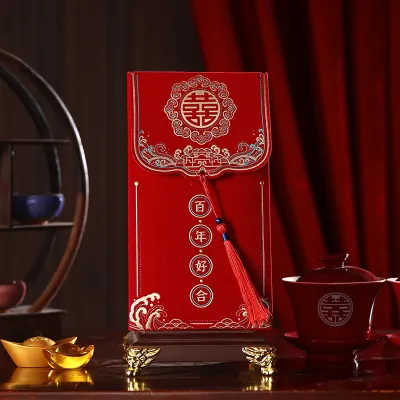
Prices are valid at publication and may change. Please refer to the product page for the latest price.
For more formal events, folded pocket styles offer a structured and premium alternative. These envelopes often feature intricate folding mechanisms, multi-layered designs, or dedicated internal compartments that hold a separate greeting card alongside the currency notes. The folding design adds an element of anticipation and elegance to the gifting process, making them highly popular for major milestones such as weddings, milestone birthdays, and formal corporate gifts.
Fabric-based options, such as embroidered silk, brocade, or velvet pouches and potli bags, represent the pinnacle of luxurious gifting. These reusable alternatives are heavily embellished with beadwork, metallic threads, or traditional embroidery. Because of their durability and aesthetic appeal, recipients often repurpose them to store jewelry or personal keepsakes, extending the life and utility of your gift far beyond the initial occasion.
Matching the envelope’s color palette and theme to the specific occasion is essential for conveying the right sentiment. For Diwali, vibrant colors like gold, bright yellow, orange, and deep red are highly favored, often adorned with motifs of oil lamps or floral garlands to symbolize light and prosperity. Weddings demand opulent designs featuring rich jewel tones, intricate gold foil, and symbols of union and fertility like peacocks or paisley patterns. Housewarmings and baby showers lean toward auspicious symbols of growth, new beginnings, and protection, such as elephants or lotus flowers, rendered in softer pastel shades or vibrant greens.
Physical dimensions are a critical practical consideration when selecting an envelope. Singapore banknotes vary in size depending on their denomination, and choosing an envelope that is too small can result in crumpled or awkwardly folded notes. A standard S$10 note measures 141 mm by 66 mm, while a S$50 note measures 156 mm by 74 mm. To ensure these notes lie completely flat and pristine, look for envelopes with internal dimensions of at least 170 mm by 85 mm. If you plan to gift thicker stacks of notes or include a handwritten card, opt for pocket styles with side gussets that offer extra depth without bulging.
Key Quality Indicators for Cultural Envelopes
Evaluating the physical quality and craftsmanship of a money envelope before purchasing ensures that it feels substantial and premium in hand. The first indicator of quality is the paper weight and texture. Thin, lightweight paper under 100 GSM can easily crease, tear, or feel flimsy, detracting from the significance of the gift. High-quality envelopes are typically crafted from heavy cardstock or handmade paper ranging from 120 GSM to 300 GSM, which provides a rigid, durable structure that resists bending during transit.

Textured papers add an immediate tactile luxury to the envelope. Handmade options, such as cotton rag paper, banana fiber paper, or metallic-coated cardstock, offer unique surface variations that make each piece feel artisanal. When handling the envelope, check the edges and seams; high-quality construction is marked by clean, precise cuts and secure, flat-glued seams that do not lift or show excess adhesive residue.
Printing techniques play a major role in the visual appeal and durability of the design. Foil stamping, particularly in gold or silver, is a hallmark of festive Indian stationery. Inspect the foil work closely to ensure the edges of the metallic patterns are sharp, clean, and free of flaking or misalignment. Embossing should have a distinct, raised texture that is consistent across the entire pattern, adding depth to the design without puncturing or weakening the paper.
Laser-cut designs offer incredible intricacy but require careful inspection. Ensure the delicate cutouts are free of unsightly burn marks or frayed paper edges, which can occur with low-quality laser calibration. If the envelope features screen-printed or hand-painted designs, verify that the ink is completely dry, smudge-resistant, and does not transfer to your fingers. High-quality inks maintain their vibrancy and do not crack along the fold lines of the envelope.
The security and durability of the closure mechanism are paramount to preventing the monetary gift from slipping out. Traditional paper envelopes often rely on a simple tuck-in flap, which must fit snugly into its designated slot without tearing the surrounding paper. Adhesive flaps are highly convenient but should feature reliable, residue-free peel-and-seal strips. For premium paper or fabric envelopes, look for secure closures such as magnetic snaps, metallic clasps, or elegant string-and-button ties that add to the overall aesthetic while keeping the contents perfectly secure.
Where to Source Authentic Brands in Singapore
Singapore offers several excellent avenues for sourcing authentic Indian money envelopes, ranging from historic physical shopping districts to convenient online platforms. For a hands-on shopping experience, Little India is the premier destination. Walking along Serangoon Road, Campbell Lane, and Buffalo Road reveals a wealth of specialized cultural boutiques, heritage department stores, and festive stalls. These physical shops allow you to feel the paper texture, inspect the print quality, and compare different styles in person, which is highly recommended for special occasions.
During major festive seasons, particularly in the lead-up to Diwali, vibrant street bazaars open throughout Little India. These bazaars feature temporary stalls showcasing unique, imported stationery and handcrafted envelopes directly from artisans in India. Exploring these markets offers access to exclusive designs and limited-edition fabric pouches that are rarely available during the rest of the year, making it an ideal time to stock up on high-quality gifting supplies.
For year-round convenience, online marketplaces and specialized e-commerce platforms offer a vast selection of Indian money envelopes. When searching online, use specific terms like “money envelope indian,” “shagun lifafa,” or “festive cash pockets” to narrow down your options. To ensure a smooth transaction and minimize shipping delays, filter for local Singapore-based sellers. Carefully read customer reviews, paying close attention to uploaded photos that show the actual color, paper thickness, and scale of the envelopes, as digital mockups can sometimes be misleading.
If you are planning a large event, such as a wedding or a corporate function, ordering envelopes in bulk requires extra planning. Verify the seller’s credibility by checking their rating history and customer feedback regarding bulk orders. Inquire about lead times, especially if the envelopes are being custom-printed or imported from overseas, to ensure they arrive well ahead of your event date. It is highly advisable to request a single sample before committing to a large order to verify that the paper weight, foil quality, and dimensions meet your exact standards.
Additionally, clarify the seller’s return and exchange policies before finalizing a bulk purchase. Because paper products can be sensitive to moisture and rough handling during transit, ensure the seller packages the envelopes in protective, waterproof wrapping. Knowing the return policy protects you in the rare event that the shipment arrives with bent corners, printing defects, or moisture damage, allowing you to secure replacements without unnecessary stress.
Evaluating Design Authenticity and Cultural Respect
Selecting an envelope with authentic design elements shows a deep respect for the recipient’s cultural heritage and enhances the meaningfulness of your gift. Traditional Indian designs are rich with symbolic imagery, each carrying specific blessings. Common motifs include the elephant, which represents wisdom, strength, and the removal of obstacles; the peacock, symbolizing grace, beauty, and prosperity; and the lotus flower, representing purity and spiritual growth. Intricate mandalas and paisley patterns, or kalka, represent eternity, abundance, and the flow of life.
Understanding these symbols helps you choose an envelope that aligns perfectly with the occasion. For example, an envelope featuring Lord Ganesha or auspicious swastika motifs is highly appropriate for weddings, housewarmings, and new business ventures, as these symbols invoke blessings for new beginnings. For multi-faith events or when you are unsure of the recipient’s specific religious traditions, opting for elegant floral patterns, geometric mandalas, or classic gold borders is a safe, respectful, and universally appreciated choice.
It is important to avoid designs that mix conflicting cultural elements or use inappropriate color palettes. While modern design trends sometimes introduce dark, somber colors like black, charcoal, or deep grey into stationery, these tones are traditionally avoided in auspicious Indian celebrations as they can be associated with mourning or negative energy. Stick to warm, vibrant, and celebratory colors that convey joy and positivity. Similarly, ensure that religious symbols are not placed on envelopes made from low-quality materials or paired with casual, irreverent text.
Look for stationery brands, local designers, or independent artisans who provide context for their design inspirations and respect traditional aesthetics. Brands that highlight the specific regional art forms influencing their work—such as Madhubani painting, Warli art, or Mughal miniature patterns—often produce more thoughtful, high-quality, and culturally accurate designs. Supporting these creators not only ensures you receive a beautiful and authentic product but also contributes to the preservation and appreciation of traditional Indian art forms within Singapore’s creative community.
Frequently Asked Questions (FAQ)
Can I reuse fabric-based money envelopes for multiple occasions?
Yes, fabric-based money envelopes made from durable materials like silk, brocade, or velvet are designed for multiple uses. To maintain their structural integrity and vibrant appearance, store them flat in a dry, cool place away from direct sunlight, which can cause the colors to fade over time. If the fabric accumulates dust, gently spot-clean the affected area with a slightly damp cloth rather than washing the entire envelope, as water can warp the stiff inner lining or damage delicate embroidery. Before gifting a reused envelope, inspect it carefully for loose threads, fraying edges, or visible stains; if it shows significant signs of wear, it is best to retire it from formal gifting.
What is the standard size for holding local currency notes?
To accommodate Singapore banknotes comfortably without folding them, look for envelopes with internal dimensions of at least 170 mm in length and 85 mm in width. This size easily accommodates the common S$10 and S$50 notes, which measure up to 156 mm by 74 mm, leaving enough clearance to prevent the edges from bending. If you are gifting larger denominations, such as the S$100 note which measures 162 mm by 77 mm, or if you wish to include a thick stack of notes along with a greeting card, choose a pocket-style envelope with a side gusset or slightly larger dimensions (such as 180 mm by 90 mm) to prevent the seams from splitting.

Community discussion
Share your experience or ask a question. Comments are reviewed before publication.