
Expressing gratitude to educators is a deeply respected tradition in Singapore, particularly as Teachers’ Day approaches. Finding the right teacher card involves balancing physical quality, design relevance, and the nature of the student-teacher relationship. While many retail channels offer appreciation cards, selecting a high-quality option requires knowing what physical characteristics to inspect and where to source them, whether you prefer the convenience of major retail chains or the distinct charm of local independent designers. By focusing on material standards and thoughtful presentation, you can select a card that serves as a meaningful keepsake.
What to Look for in a Quality Teacher Card
A premium card begins with its physical medium. When evaluating cards in person, pay close attention to the paper weight, which is a primary indicator of durability. High-quality greeting cards typically utilize sturdy cardstock ranging from 250 gsm to 350 gsm. This weight ensures the card remains upright when displayed on a teacher’s desk and does not warp or crease easily under its own weight. Standard dimensions, such as A6 (105mm x 148mm) or A5 (148mm x 210mm), are highly practical as they fit standard envelope sizes perfectly, ensuring easy mailing or hand delivery.
The surface texture of the paper directly influences how well it accepts writing. Smoothness, bleed resistance, and ink drying speed depend heavily on the exact combination of paper stock and the writing instrument you choose. A matte, uncoated, or slightly textured interior is highly desirable because it absorbs ink quickly, preventing smudges when writing with gel pens, ballpoint pens, or fountain pens. To ensure a clean presentation, perform a quick test-write on a small, inconspicuous corner of the card or a scrap piece of similar paper to observe the drying speed and check if the ink bleeds through to the back.
Products mentioned in this guide
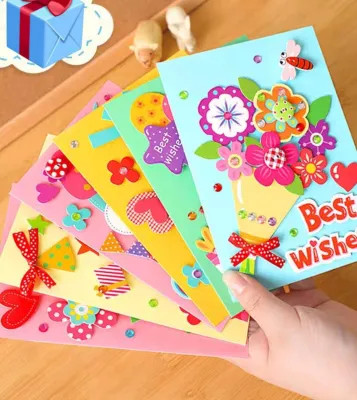
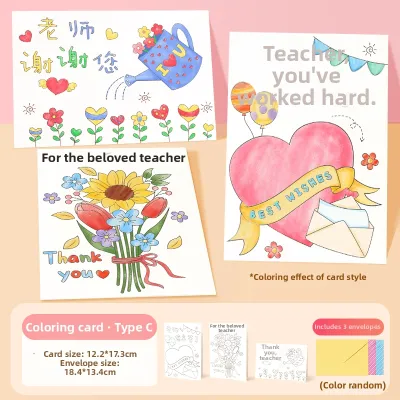
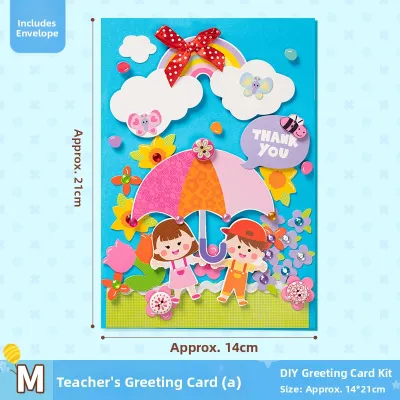
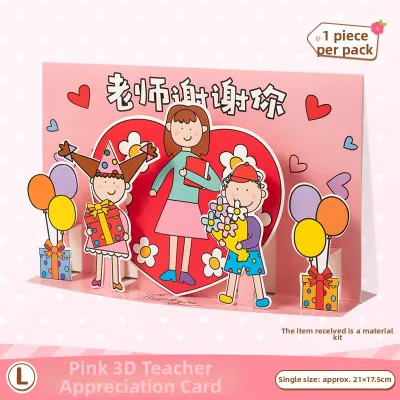
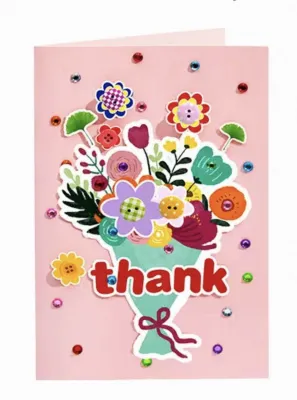
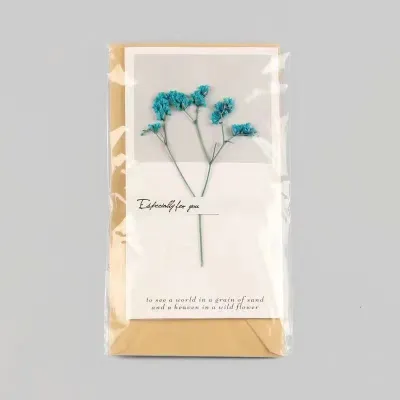

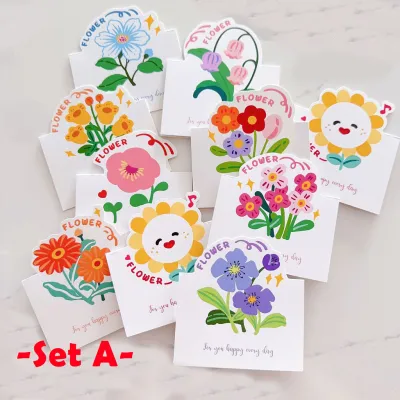
Prices are valid at publication and may change. Please refer to the product page for the latest price.
The visual appeal of a teacher card should reflect genuine appreciation rather than a last-minute obligation. Avoid designs that rely on overly generic, low-resolution graphics or tired clichés unless the illustration is executed with high artistic merit. Look for original artwork, elegant typography, or subtle embellishments such as foil stamping, embossing, or letterpress printing. These details indicate that the brand invests in high-quality production, making the card feel like a thoughtful gift rather than a disposable item.
The interior layout of the card is just as important as the cover. Many mass-produced cards feature lengthy, pre-printed sentiments that can feel restrictive or insincere. Opt for cards that are either entirely blank inside or feature a very brief, open-ended message of appreciation. This design choice leaves ample space for the student or parent to write a personalized note. Ensure the layout provides clean margins and a smooth writing surface, allowing your handwriting to take center stage without competing with distracting background graphics or tight line spacing.
Where to Find Reliable Teacher Card Brands in Singapore
For those seeking immediate availability and a wide selection of established brands, major bookstores and stationery chains across Singapore are excellent starting points. These retail outlets carry well-known international and regional greeting card brands that maintain strict quality control standards. Shopping at these physical locations allows you to feel the paper texture, verify the envelope fit, and inspect the print quality firsthand. It is an ideal option for last-minute shoppers who need a reliable, beautifully printed card without waiting for shipping.

If you are looking for unique, artisan-made designs that stand out, independent local boutiques and creative retail spaces are outstanding resources. Many of these shops, often located in cultural districts or creative hubs, collaborate with local Singaporean illustrators and designers. Purchasing from these brands not only supports the local creative community but also gives you access to cards featuring distinct aesthetics, hand-drawn illustrations, and sometimes subtle local cultural references that resonate deeply with educators. These cards often use premium, eco-friendly paper stocks and limited-run printing techniques.
For parents or student committees looking to purchase cards in bulk, or those seeking highly specialized educational themes, online marketplaces and official brand websites offer the greatest variety. These platforms allow you to browse international design labels and niche stationery brands that may not be distributed in local physical stores. Online shopping is particularly useful when you want to coordinate a consistent theme across multiple cards for different subject teachers, co-curricular activity (CCA) instructors, or school staff.
When sourcing cards online, it is essential to perform a few quality checks to ensure the product arrives in pristine condition. Verify the seller’s authenticity by checking their rating and reading recent customer reviews, paying close attention to feedback regarding packaging and shipping times. Look for sellers who package their cards in protective cellophane sleeves and rigid, bend-resistant envelopes to prevent bent corners or creasing during transit. Upon delivery, inspect the card immediately for any printing defects, ink smudges, or misalignment between the card and its accompanying envelope.
Matching Card Styles to Different Teacher Relationships
The relationship between a student and an educator can vary significantly depending on the academic level and environment. For school principals, university professors, or teachers in highly formal academic settings, an elegant and minimalist card design is most appropriate. Look for cards featuring classic typography, muted or sophisticated color palettes (such as navy, forest green, or cream), and subtle gold or silver foil accents. The message should remain respectful and professional, acknowledging the educator’s leadership, guidance, and academic influence.
Early childhood educators, kindergarten teachers, and primary school teachers often appreciate warm, vibrant, and highly illustrative card designs. These styles reflect the energetic and nurturing environment of early education. Look for cards with cheerful color schemes, friendly hand-lettered fonts, and whimsical illustrations of school supplies, animals, or nature. These designs are approachable and visually engaging, making them highly suitable for younger children to present to their teachers.
For secondary school teachers, private tutors, or coaches with whom the student has developed a close, casual rapport, a card with a touch of humor or a specific theme can be highly memorable. Consider cards that feature lighthearted jokes related to a specific subject—such as mathematics, science, or literature—or designs that incorporate hobbies like sports or music. This personalized approach demonstrates that the student appreciates the teacher’s unique personality and teaching style, strengthening the bond between them.
Enhancing the Card with Thoughtful Personalization
A beautiful card is merely a frame for the message inside. To make your appreciation card truly meaningful, structure your message around specific details rather than generic praise. Begin by thanking the teacher for their dedication, then highlight a specific moment where their guidance made a difference—such as helping you overcome a difficult topic, offering encouragement during a challenging week, or inspiring a new interest in the subject. Conclude by expressing how their teaching has impacted your academic or personal growth, creating a lasting keepsake that the teacher will cherish.
If the card is from a younger child, involving them in the personalization process adds immense sentimental value. To keep the card looking neat and structured, plan the layout beforehand. You can have the child practice their message on a separate piece of paper before writing inside the card. For very young children, adding a small, neat drawing or a clean handprint using non-toxic, water-based ink is a wonderful touch. Ensure the ink is completely dry before folding the card to prevent smudging, and use high-quality colored pencils or fine-tip markers that do not bleed through the cardstock. Avoid using sharp scissors or strong solvent-based adhesives if they are decorating the card.
While a heartfelt card is often more than enough, some families choose to pair it with a small token of appreciation. In Singapore, it is crucial to remain mindful of school policies regarding gift-giving, as many institutions have strict guidelines to maintain professional boundaries and transparency. If you wish to include a gift, opt for practical, low-cost stationery items that are highly useful in a classroom setting. High-quality gel pens, elegant bookmarks, or unique sticky notes are thoughtful, compliant choices that complement the card beautifully without violating school regulations.
Frequently Asked Questions (FAQ)
Is it appropriate to give a digital teacher card instead of a physical one?
Digital teacher cards are increasingly acceptable and practical in modern educational environments, particularly when physical delivery is challenging or when school policies encourage paperless communication. They are highly convenient for last-minute situations or for students who are studying remotely. To ensure your digital card is well-received, use a reputable e-card platform that allows for personalization and high-quality visual designs. It is important to send the card to the teacher’s official school email address or through the designated school communication portal, ensuring the subject line clearly states the purpose of the email so it is not accidentally filtered into a spam folder or overlooked during busy school hours.
How far in advance should I order custom or bulk teacher cards?
When planning to purchase custom or bulk teacher cards, timing is critical to ensure they arrive well before Teachers’ Day or the end of the school term. For custom designs from local printing services or independent designers, expect a standard production lead time of one to two weeks, which allows for design proofs, printing, and packaging. If you are ordering bulk cards from online marketplaces or international sellers, it is wise to place your order at least three to four weeks in advance. This buffer period accounts for potential shipping delays, customs clearance, and allows you ample time to inspect the cards and write your personalized messages without rushing.

Community discussion
Share your experience or ask a question. Comments are reviewed before publication.