
Felt cloth is a unique, non-woven textile appreciated for its structural stability, soft texture, and raw-cut edges that do not fray. Unlike traditional fabrics made by weaving or knitting yarns together, felt is created by interlocking loose fibers through mechanical, thermal, or chemical processes. Depending on your project—whether you are crafting a durable desk mat, sewing a soft toy, or setting up a classroom display—the material composition of the felt you select will directly impact your results. The three primary categories of felt cloth available are pure wool felt, synthetic felt, and blended felt, each offering distinct advantages in terms of durability, texture, ease of sewing, and cost.
What Is Felt Cloth and How Is It Made?
Felt cloth is defined by its non-woven architecture. In traditional textiles, warp and weft threads cross over and under each other to form a stable grid. If you cut a woven fabric, these threads immediately begin to unravel at the edges, requiring you to hem or finish them. Felt completely bypasses this structural vulnerability because it consists of a dense, randomized web of fibers that are physically tangled and locked together. This means you can cut felt into any shape, no matter how intricate, and the edges will remain perfectly clean and intact without a single stitch.
The transformation of loose fibers into a dense sheet of felt cloth occurs through two primary manufacturing methods: wet felting and needle felting. Wet felting is the traditional, natural method used almost exclusively with animal fibers like sheep’s wool. Because wool fibers possess microscopic scales, exposing them to heat, moisture, and alkaline soapy water causes these scales to open up. When the fibers are rubbed, agitated, and pressed, the scales lock into one another permanently, shrinking and condensing the loose wool into a solid, highly durable sheet.
Products mentioned in this guide
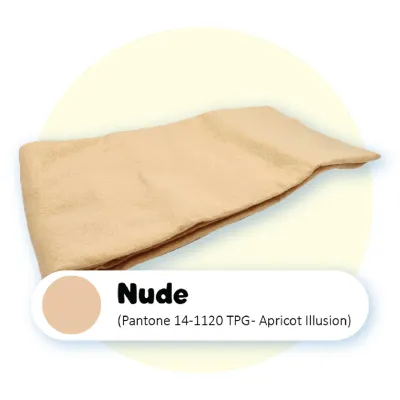
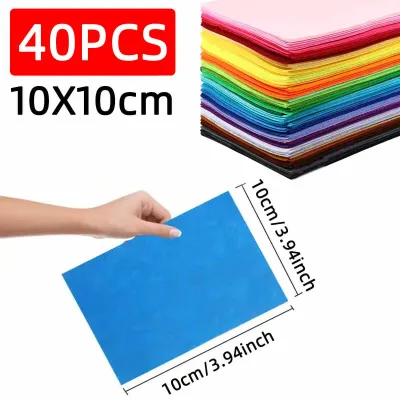
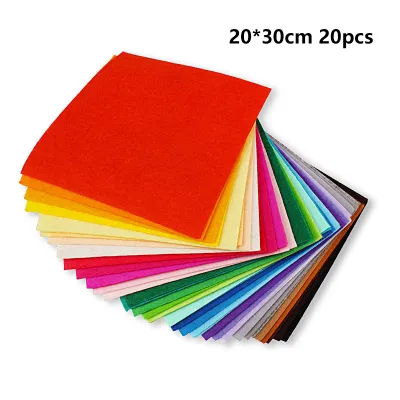
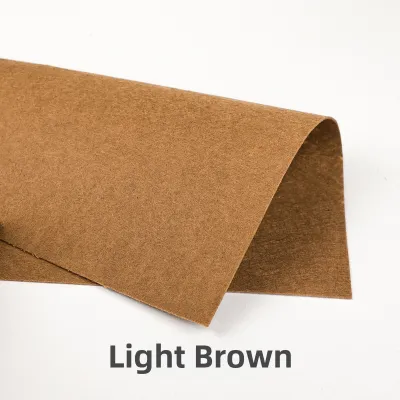
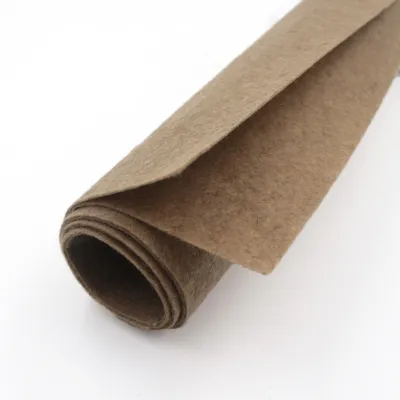
Prices are valid at publication and may change. Please refer to the product page for the latest price.
Needle felting, on the other hand, is a mechanical process that can be applied to both natural and synthetic fibers. This method utilizes specialized industrial machines equipped with thousands of barbed needles. As these needles rapidly punch through a loose web of fibers, the barbs catch individual strands and force them downward, mechanically interlocking them with surrounding fibers. For crafters working at home, hand-held needle felting tools allow for the creation of three-dimensional shapes or detailed surface embellishments on existing felt sheets.
The resulting non-woven structure gives felt cloth its signature physical properties. It is naturally thick, highly shock-absorbent, and capable of holding a crisp, structural shape when folded or molded. Because there are no threads to pull loose, felt is exceptionally forgiving for beginners and highly efficient for precise applications, such as acoustic insulation, protective lining, and heavy-duty polishing pads.
Wool Felt: The Premium Natural Option
Pure wool felt represents the highest standard of natural felt cloth, crafted entirely from animal fibers—most commonly sheep’s wool, though premium varieties may incorporate merino wool or cashmere. Because it is made of natural protein fibers, wool felt has a distinctively dense, luxurious texture and a completely matte finish that synthetic alternatives cannot replicate. The inherent physical structure of wool fibers gives this material an exceptional hand-feel, making it soft to the touch yet remarkably sturdy and resilient.

One of the standout properties of wool felt is its durability and elastic recovery. When compressed or folded, wool fibers naturally spring back to their original shape, preventing the creasing and sagging that often plagues cheaper materials. Additionally, wool is naturally flame-resistant, self-extinguishing, and highly insulating. It also contains residual lanolin, which provides a natural degree of moisture and soil resistance, allowing liquid spills to bead up on the surface momentarily rather than soaking in immediately.
These premium characteristics make wool felt the material of choice for high-end applications. In the realm of fashion and millinery, it is the classic choice for creating structured hats, coats, and luxury bags. In professional stationery and workspace design, 100% wool felt is highly sought after for premium desk mats, protective laptop sleeves, and fountain pen cases, where its soft, scratch-free surface protects delicate finishes. It is also widely utilized in architectural acoustic panels due to its superior sound-dampening capabilities.
However, working with pure wool felt requires careful consideration of its limitations and maintenance needs. It is the most expensive type of felt cloth on the market, which can make it cost-prohibitive for large-scale projects or casual classroom crafts. Because it is made of natural animal fibers, pure wool felt is susceptible to shrinking and warping if exposed to hot water or vigorous agitation. Cleaning typically requires professional dry cleaning or a gentle, localized spot-cleaning process using cool water and mild wool detergent. Finally, because it is an animal-derived product, it is not suitable for strictly vegan crafting projects.
Synthetic Felt: The Affordable and Versatile Alternative
Synthetic felt is a highly popular, budget-friendly alternative manufactured entirely from man-made fibers, most commonly polyester, acrylic, or rayon (viscose). Instead of relying on natural fiber scales to interlock, synthetic felt is produced using high-speed needle-punching machines that mechanically entangle the plastic-based fibers. This industrial manufacturing process allows for rapid, high-volume production, making synthetic felt incredibly affordable and widely accessible in craft stores and stationery shops in Singapore.
One of the primary advantages of synthetic felt is its immense color palette and visual vibrancy. Because synthetic fibers accept dyes easily during manufacturing, you can find synthetic felt in bright neon shades, rich jewel tones, and highly detailed printed patterns that are difficult to achieve on natural wool. Synthetic felt is also highly resistant to fading from UV exposure, and it does not attract moths or other fiber-eating pests. Unlike wool, polyester and acrylic felts do not shrink when exposed to water, making them generally safe for gentle machine washing.
These properties make synthetic felt the ideal material for school classrooms, children’s crafts, and temporary seasonal decorations. Its affordability means kids can cut, glue, and experiment without fear of wasting expensive materials. It is also widely used for lightweight appliqué on clothing, holiday stockings, and simple no-sew projects like felt board stories. In the stationery world, synthetic felt is commonly used for budget-friendly pencil cases, colorful drawer organizers, and novelty bookmarks.
Despite its versatility, synthetic felt has notable limitations in performance and texture. It generally feels stiffer, scratchier, and less dense than wool felt, often exhibiting a slight plastic sheen under direct light. Over time, synthetic felt has a strong tendency to pill—forming tiny, unsightly balls of loose fiber on the surface—especially in areas subjected to friction. It also lacks the natural elasticity of wool, meaning that once it is stretched or creased, it rarely returns to its original shape. Furthermore, because it is made of plastic, synthetic felt will melt or scorch easily if exposed to high heat, requiring extreme caution when ironing.
Blended Felt: Balancing Quality and Cost
Blended felt serves as the perfect middle ground, engineered to combine the best attributes of both natural wool and synthetic fibers. Typically, this material is composed of a specific ratio of wool mixed with rayon or polyester—with a 35% wool and 65% rayon blend being one of the most common configurations found in high-quality craft stores. By blending these fibers, manufacturers can offer a product that mimics the soft, premium feel of pure wool while keeping the retail price accessible for everyday crafters.
The introduction of synthetic fibers like rayon (which is derived from cellulose) or polyester significantly enhances the physical properties of the felt. Rayon adds a beautiful, silky softness and a smooth drape to the material, while the wool content provides density, thickness, and a matte finish. This combination results in a felt cloth that is much less stiff and scratchy than pure acrylic felt, yet far more pliable and easy to manipulate than stiff synthetic sheets. It resists pilling much better than pure polyester while retaining vibrant, long-lasting colors.
Blended felt is highly recommended for intermediate-level crafts, soft toy making, and general sewing projects. If you are hand-stitching stuffed animals, dolls, or intricate quiet books for children, blended felt offers the soft, warm texture required for a high-quality finish without the high price tag of 100% wool. It is also an excellent choice for quilting appliqué, decorative pillows, and daily-use stationery accessories like custom notebook covers, where you want a balance of durability, tactile comfort, and reasonable cost.
When caring for blended felt, it is important to remember that its reaction to water and heat will depend heavily on the exact fiber ratio. A blend with a higher percentage of wool will behave more like natural wool, meaning it carries a higher risk of shrinking and warping if washed in hot water. To maintain the shape and texture of your blended felt items, always check the manufacturer’s care label. When in doubt, hand washing in cool water and laying the item flat to dry is the safest approach to prevent distortion.
How to Choose the Right Felt Material for Your Project
Selecting the correct felt cloth requires evaluating the specific demands of your project against the unique properties of each material type. To make an informed decision, you should consider three primary factors: the required durability of the finished item, your preferred working methods, and how the item will be cleaned and maintained over time.
Durability is the first critical factor. If you are creating an heirloom-quality soft toy, a professional-grade desk mat, or a structured hat that will be handled daily, investing in pure wool felt or a high-wool blend is highly recommended. These natural fibers resist wear, retain their shape, and age gracefully without pilling. For temporary party decorations, school posters, or quick kids’ crafts that only need to last a short season, synthetic felt is the most logical and cost-effective choice.
Your working method also plays a significant role in your material choice. If you plan to hand-sew your project, wool and blended felts are vastly superior because their dense, interlocking fibers grip sewing threads securely, preventing the stitches from pulling through the edge of the fabric. Synthetic felt, particularly low-density acrylic, can feel slippery or produce a squeaking sound when pierced by a hand needle, and tight stitches may rip through the thin material. However, if you are using fabric glue or hot glue for a quick, no-sew project, synthetic felt bonds exceptionally well and is highly forgiving.
Care and safety requirements must also guide your selection. For items that will require frequent cleaning—such as baby toys, children’s play food, or wearable accessories—synthetic felt’s general machine washability is a major advantage. If you are crafting items for very young children, always verify that the felt and any dyes used comply with local safety standards, especially regarding chemical safety and flame retardancy. When working with sharp cutting tools like rotary cutters or die-cutting machines, both wool and high-quality blends will yield much cleaner, sharper edges than loose, low-grade synthetic sheets.
Before starting your project, always verify the dimensions and thickness of your felt sheets to ensure they fit your cutting dies or sewing machine clearance. Because physical properties like smoothness, needle penetration, and water resistance depend entirely on the exact material combination, it is highly recommended to perform a quick trial on a small scrap piece. Try running a test stitch to check for thread tension, or place a single water droplet on the surface to observe its absorption speed before cutting into your main sheet.
To help you quickly compare your options, refer to the summary table below to match the right felt cloth to your next creative endeavor:
| Material Type | Common Composition | Best For | Durability | Relative Cost | Washability |
|---|---|---|---|---|---|
| Wool Felt | 100% Wool (Sheep or Merino) | Premium crafts, millinery, acoustic panels, luxury stationery accessories | High | Premium (S$$$) | Dry clean or gentle hand wash only |
| Synthetic Felt | 100% Polyester, Acrylic, or Rayon | Kids' crafts, school projects, holiday decor, temporary displays | Low to Moderate | Budget-friendly (S$) | Machine washable on cool/delicate |
| Blended Felt | 20%-35% Wool, 65%-80% Rayon/Polyester | Soft toys, general sewing, quilting, daily-use accessories | Moderate to High | Moderate (S$$) | Hand wash in cool water; air dry |
Frequently Asked Questions (FAQ)
Does felt cloth fray when cut?
No, felt cloth does not fray or unravel when cut. Because felt is a non-woven fabric made by compressing and interlocking loose fibers rather than weaving threads, it lacks the warp and weft grid of traditional textiles. When you cut felt with scissors, a rotary cutter, or a die-cutting machine, the edges remain clean, sharp, and stable. This unique characteristic makes felt exceptionally popular for raw-edge appliqué, intricate scrapbooking shapes, and quick no-sew crafts where finishing the edges is not desired.
Can you iron felt cloth safely?
Yes, you can iron felt cloth, but the safe temperature setting depends entirely on the fiber composition. Pure wool felt can tolerate steam and moderately high heat on a designated wool setting; however, using a damp pressing cloth is always recommended to prevent the wool fibers from scorching or developing a shiny surface. Synthetic felt, which is made of plastic-based fibers like polyester or acrylic, will melt or stick to your iron under high heat. To iron synthetic felt safely, use a very low, dry heat setting and place a thick cotton pressing cloth between the iron and the felt.
Is felt cloth waterproof?
Felt cloth is not completely waterproof, but its water resistance varies significantly by material type. Pure wool felt is naturally water-repellent; the dense arrangement of its fibers combined with residual natural lanolin causes light moisture to bead up on the surface rather than soaking in immediately. However, prolonged exposure or heavy pressure will eventually cause the wool to absorb water. Synthetic felt’s water absorption depends on its density and fiber treatment; while polyester fibers themselves do not absorb water, moisture can still seep through the gaps in a loosely needle-punched synthetic sheet.

Community discussion
Share your experience or ask a question. Comments are reviewed before publication.