
Quick Answer: Felt Board vs Magnetic Board for Early Learning
When introducing your child to the alphabet, choosing the right interactive medium can shape their early literacy journey. Neither a felt board (毛毡板) nor a magnetic board is universally superior; the ideal choice depends on your child’s current age, fine motor development, and your household environment.
Felt boards offer high tactile resistance and are excellent for sensory-rich storytelling, building hand strength, and quiet play. Conversely, magnetic boards provide instant, frustration-free alignment that is highly rewarding for younger toddlers whose coordination is still developing. While felt encourages deliberate, physical manipulation, magnets allow for rapid rearrangement and visual clarity during structured phonics practice. Evaluating these practical differences will help you select the option that best supports your child’s developmental milestones.
Fine Motor Skills and Learning Effectiveness
Introducing a felt board (毛毡板) to your child’s learning routine provides a unique sensory experience centered on physical resistance. When a child presses a felt letter onto a felt surface, the tiny fibers of the two materials interlock. This action requires a deliberate, localized pressing motion that exercises the pincer grasp—the coordination between the thumb and index finger. Over time, this repetitive pressing and peeling builds the intrinsic hand muscles necessary for holding a pencil and writing.
Products mentioned in this guide
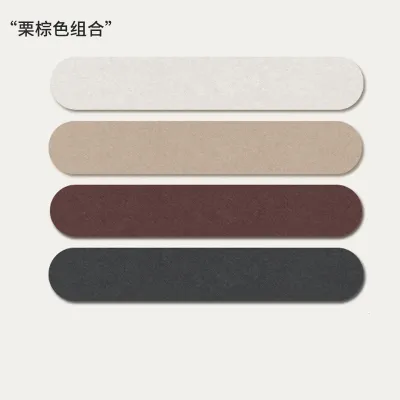
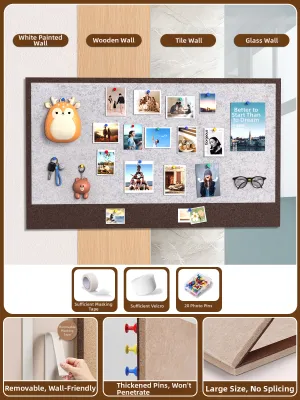
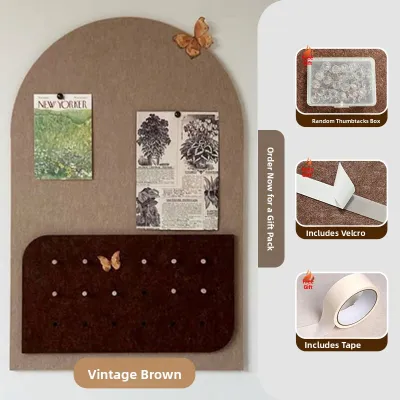
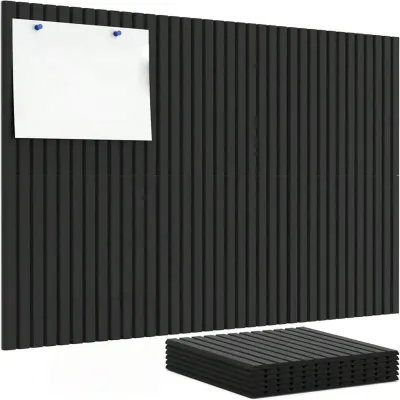
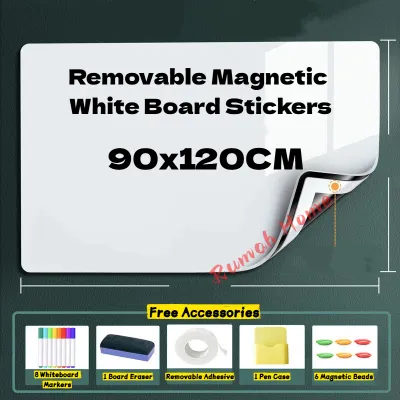
Prices are valid at publication and may change. Please refer to the product page for the latest price.

Because felt pieces do not slide easily, children must lift and reposition them intentionally. This high-friction environment naturally encourages bilateral coordination, as young learners often need to use one hand to hold the board steady while the other manipulates the letters. If two felt pieces stick together, it presents a low-stakes problem-solving scenario where the child must figure out how to peel them apart. This tactile feedback keeps children grounded in the physical space, turning abstract letter shapes into tangible objects they can grip, turn, and feel.
Magnetic boards operate on an entirely different physical principle, prioritizing visual clarity and ease of movement. When a child brings a magnetic letter close to a steel board, the magnetic pull snaps the piece into place. This instant feedback is highly satisfying for younger toddlers (around 18 to 24 months) who may lack the finger strength or precision required for felt. It minimizes the physical frustration of pieces falling off, allowing the child to focus entirely on the shape of the letter rather than the mechanics of making it stick.
The smooth surface of a magnetic whiteboard also allows letters to slide effortlessly across the board. This fluid movement is highly beneficial for early phonics and spelling exercises, where letters must be quickly rearranged to form new words. For example, changing “cat” to “bat” is a seamless slide rather than a multi-step peel-and-stick process. Furthermore, rigid plastic or foam magnetic letters maintain their precise geometric outlines perfectly, providing sharp visual contrast that aids in rapid letter recognition.
To decide which system will be more effective, observe your child’s play style and frustration tolerance. If your child gets easily discouraged when objects do not align perfectly or fall over, a magnetic board will help sustain their attention span and keep learning positive. If your child is highly active, craves sensory input, or needs to work on hand strength and finger isolation, the tactile resistance of a felt board will offer a more productive physical workout alongside their alphabet lessons.
Safety, Durability, and Daily Maintenance
Safety is the paramount consideration when choosing any educational toy for young children, especially those who still explore objects with their mouths. Magnetic letter sets carry a specific risk: small, high-energy magnets can sometimes detach from the back of plastic or foam letters. If a child swallows more than one magnet, these pieces can attract each other through intestinal walls, causing severe internal injuries. To mitigate this risk, parents must carefully inspect magnetic letters before purchase, opting for high-quality brands where the magnets are fully encased within a single-piece molded design rather than glued onto the back.
Felt letters are inherently softer and do not contain heavy metal parts, making them a popular choice for parents worried about hard impact injuries. However, they are not entirely free of safety considerations. Small felt shapes can still present a choking hazard if they are cut small enough to fit inside a standard small-parts test cylinder. Before introducing either material, always check the manufacturer’s age-grading labels and look for recognized safety standards, such as ASTM F963 or EN71 certifications, to ensure the materials are non-toxic and structurally secure.
Over months of active use, both materials exhibit distinct wear patterns. Felt boards are prone to pilling, where loose fibers bunch into small balls on the surface. They also act like magnets for household dust, lint, and pet hair, which can gradually clog the fabric fibers and reduce the natural cling of the letters. Magnetic boards do not suffer from fiber wear, but they are susceptible to physical damage. Whiteboard surfaces can scratch, and plastic magnetic letters can crack or break if stepped on by an adult or dropped onto a hard tile floor.
Maintenance routines differ significantly between the two systems. A magnetic board is exceptionally hygienic and easy to maintain; you can sanitize the non-porous surface and the plastic letters in seconds using a damp microfiber cloth and a child-safe disinfectant spray. Felt boards cannot be wiped down. Instead, keeping them clean requires regular lint-rolling or gentle hand-washing. If your child has allergies or if you have shedding pets, the low-maintenance, easy-to-wipe nature of a magnetic board may save you significant time and effort.
Portability and Space Adaptability for Home or Travel
For families navigating compact living spaces or busy travel schedules, the physical footprint of a learning board is a major practical consideration. Felt boards are incredibly lightweight and flexible. Many designs are constructed from soft, thick felt sheets that can be rolled up, folded into a backpack, or hung flat against a wall or behind a bedroom door. They require virtually no storage depth, making them ideal for smaller homes where floor space is at a premium.
Because felt is flexible, it does not require a rigid, flat surface to function. A child can comfortably use a felt board on their lap while sitting on the sofa, lay it flat on a carpeted floor, or even use it while propped up against a pillow in bed. This adaptability makes felt highly travel-friendly. If you are taking a flight, going on a road trip, or dining out at a restaurant, a quiet felt book or foldable felt board can keep a child engaged without taking up bulk or weight in your diaper bag.
In contrast, magnetic boards are rigid, heavier, and require a stable setup. Whether you choose a tabletop easel, a free-standing board, or a wall-mounted steel sheet, the system requires a dedicated physical space. If a magnetic board is not secured properly, it can tip over, posing a minor safety hazard to a crawling infant or toddler. Additionally, because the board relies on a flat metal sheet, it cannot be folded or compressed for storage, meaning it will permanently occupy a portion of your closet or wall space.
When it comes to travel, magnetic boards present a few distinct challenges. While the letters stick to the board, a sudden bump or drop can easily dislodge them, sending hard plastic pieces clattering across a vehicle floor or restaurant tile. Felt pieces, being soft and light, are virtually silent when dropped and do not bounce or roll away. For a peaceful, low-noise environment during transit or public outings, the quiet, soft-landing nature of felt is highly advantageous.
Felt Board vs Magnetic Board: Feature Comparison
| Feature | Felt Board | Magnetic Board |
|---|---|---|
| Tactile Feedback | High friction; soft, textured fabric surface | Smooth, rigid plastic or foam; metallic contact |
| Fine Motor Demand | Higher; requires deliberate pressing and peeling | Lower; pieces snap into place with minimal pressure |
| Setup Speed | Instant; works on laps, floors, or hung on walls | Moderate; requires a flat surface, easel, or wall mount |
| Cleaning Method | Lint-rolling, gentle brushing, or hand-washing | Wipe clean with a damp cloth or child-safe sanitizer |
| Best Use Case | Quiet travel, storytelling, and building hand strength | Rapid spelling practice, drawing integration, and easy cleaning |
How to Choose the Right Board for Your Child
To make your final decision, look closely at your child’s current development, your household space, and how you plan to use the board on a daily basis. Each system excels in different environments and supports different learning styles.
Choose a Felt Board if:
- You want to combine literacy with storytelling: Felt boards are unmatched for imaginative play. You can easily mix alphabet letters with felt animals, trees, and characters to create rich, narrative-driven scenes that put letters into a wider context.
- Your child needs to develop hand strength: If your child’s preschool teacher has suggested activities to strengthen their pincer grasp or prepare their hands for writing, the physical resistance of peeling and pressing felt is highly beneficial.
- You travel frequently: If you need a lightweight, silent, and unbreakable toy to keep your child occupied in cars, planes, or quiet public spaces, a foldable felt setup is the superior choice.
- Storage space is limited: If you live in a cozy apartment where toys must be tucked away neatly at the end of the day, a roll-up felt sheet can be stored in a drawer or hung flat behind a door.
Choose a Magnetic Board if:
- Your child is prone to frustration: For younger toddlers who get discouraged when pieces fall off or do not align, the satisfying "snap" of a magnet keeps play positive and engaging.
- You want a multi-functional workspace: Many magnetic boards double as dry-erase whiteboards. This allows you to transition seamlessly from arranging magnetic letters to tracing them with dry-erase markers as your child's writing skills progress.
- Hygienic cleaning is a priority: If you want a learning tool that can be quickly wiped clean and sanitized after playdates or during flu season, the non-porous surfaces of magnets and whiteboards are ideal.
Verify First if:
- The child is under three years old: Strictly verify the safety warnings on any magnetic set. Ensure the magnets are fully encased inside the letters and cannot be pried loose. For felt sets, ensure the pieces are large enough to avoid being a choking hazard.
- You plan to wall-mount the board: If you choose a heavy magnetic board, ensure you have a secure wall space and the appropriate mounting hardware to prevent the board from falling if pulled by a curious child.
Frequently Asked Questions (FAQ)
Can I use regular refrigerator magnets on a magnetic learning board?
Whether regular refrigerator magnets will work depends on the thickness and material of your learning board. Many portable magnetic whiteboards use a very thin sheet of steel behind the plastic writing surface. While lightweight educational magnets stick easily, heavy or bulky decorative refrigerator magnets may slide down or fall off because the magnetic pull is not strong enough to grip through the thin metal layer. For the best results, stick to lightweight, flat magnets designed specifically for educational boards, and avoid heavy ceramic or glass magnets which can shatter if dropped.
How do I clean felt letters if they lose their stickiness?
Felt letters do not use adhesive; they cling together through the natural friction and interlocking of their fibers. If they stop sticking, it is usually because the fibers have become clogged with dust, lint, or pet hair. To restore their grip, start by running a sticky lint roller firmly over the surface of the letters and the board. For stubborn debris, use a soft-bristled brush, like a clean toothbrush, to gently sweep the fibers. If the pieces are soiled, hand-wash them in cold water with a drop of mild baby shampoo, press them flat between two dry towels to remove excess water, and lay them flat to air-dry. Never put felt pieces in a washing machine or clothes dryer, as the heat and agitation will cause the fibers to shrink, warp, and lose their shape.

Community discussion
Share your experience or ask a question. Comments are reviewed before publication.