
Starting your first fabric painting project is an exciting creative step, but finding the right materials can feel overwhelming given the sheer variety of options on the shelves. The ideal choice for a beginner does not lie in finding a single, universally superior brand; rather, it depends on matching the specific paint format, viscosity, and chemical properties to your chosen fabric and project goals. By understanding how different formulas interact with textile fibers, you can select a starter set that ensures smooth application, vibrant colors, and long-lasting durability.
Core Criteria for Selecting Beginner Fabric Paint
When browsing for fabric paint, the first technical specification to evaluate is viscosity, which refers to the thickness of the liquid. High-viscosity paints have a creamy, paste-like consistency that sits on top of the fabric fibers, making them excellent for heavy canvas or dark denim where high opacity is required. Low-viscosity paints are much runnier and behave more like dyes, sinking deep into the weave of lightweight fabrics like silk or thin cotton, which preserves the natural softness of the material.
Opacity is equally critical and is directly tied to the pigment concentration of the paint. Standard fabric paints are often semi-transparent, meaning they will look vibrant on white or light-colored fabrics but will virtually disappear on dark surfaces. If you plan to paint on black, navy, or dark grey textiles, you must specifically look for labels marked “opaque” or “for dark fabrics,” which contain specialized blocking pigments to prevent the fabric color from showing through.
Products mentioned in this guide
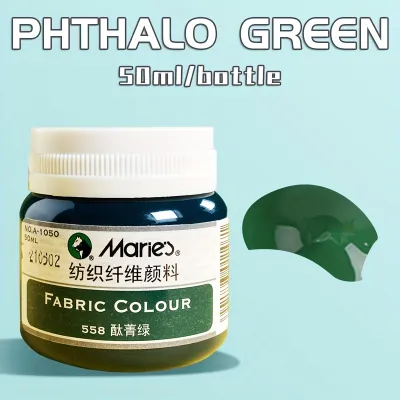
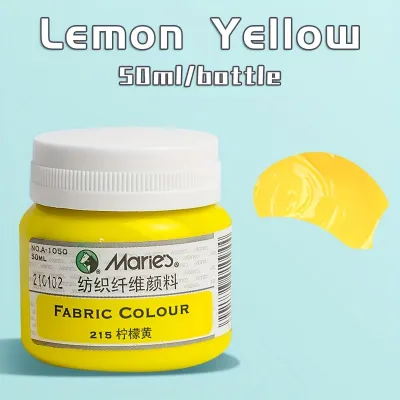
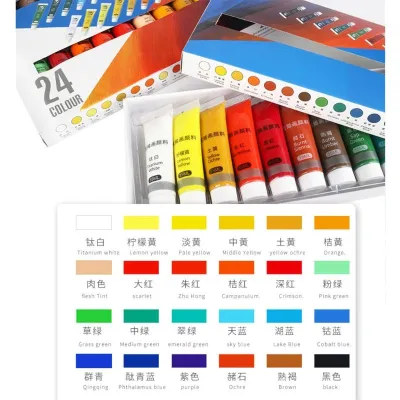
![[SG Ready Stock]12/24 Acrylic Paint With Brushes And Palette 12 ML Waterproof Acrylic Paint Tube for Wood/Canvas/Fabric Students Drawing Set](https://img.lazcdn.com/g/p/076b5de8a7f769a9c538b2880c81ef54.jpg_400x400q80.jpg_.webp)
Prices are valid at publication and may change. Please refer to the product page for the latest price.
Fabric compatibility is another essential factor that varies widely across different paint formulations. Natural fibers like cotton, linen, and bamboo have porous structures that easily absorb water-based acrylic binders, making them highly compatible with almost all beginner paint sets. Synthetic fibers like polyester, nylon, and acrylic are non-porous and slick, meaning standard fabric paints may slide off or peel away after drying. Always check the manufacturer’s packaging to ensure the paint is rated for the specific fiber blend of your target garment.
Curing and heat-setting requirements dictate how the paint achieves its permanent, wash-fast state. Most traditional fabric paints rely on heat-setting, a process where you apply dry heat from an iron or a clothes dryer to polymerize the acrylic binders and lock the pigment into the fibers. Some modern formulas are labeled as “air-dry” or “self-curing,” which eliminate the need for heat but require several days of undisturbed curing time before the item can be handled or washed.
Finally, washability and durability specifications must be reviewed on the product label before making a purchase. Look for details regarding the maximum washing temperature, recommended cycle types, and the mandatory waiting period before the first wash, which is typically 72 hours. Understanding these care instructions early on helps you determine if the finished project will withstand the wear and tear of regular household laundering.
Comparing Common Formats of Fabric Paint Sets
For those just starting out, choosing between an all-in-one starter kit and individual bottles is a primary decision. Starter kits are highly convenient and cost-effective, typically bundling a curated palette of six to twelve essential colors along with basic brushes or mixing trays. These kits, often priced between S$15 and S$35 in local craft shops, allow you to experiment with color mixing without a significant upfront investment. However, if you have a specific large-scale project in mind, purchasing individual bottles of targeted colors prevents the waste of unused shades.

The physical application method of the paint also changes the learning curve and the final texture of your design. Brush-on fabric paints are the most versatile format, allowing you to use traditional painting techniques, blending, shading, and stenciling. They dry relatively flat and maintain a softer feel on the fabric compared to dimensional alternatives. Squeeze paints, often sold in bottles with fine-tip nozzles, are designed for outlining, writing, or creating raised “puff” textures that stand out from the fabric surface. While squeeze paints are highly accessible for beginners making simple outlines, they offer limited options for color blending.
Fabric markers and pens represent a highly convenient alternative to liquid paints, especially for small-scale customization or fine-line detailing. These markers feature felt or fiber tips saturated with specialized fabric ink, eliminating the need for brushes, water cups, and cleanup. They are ideal for drawing intricate patterns on canvas shoes, detailing collars, or working in tight spaces where a brush might slip. The trade-off is that markers are not suitable for filling in large solid areas, as the tips can dry out quickly and the ink may apply unevenly over broad surfaces.
How to Evaluate Art Supply Brands for Entry-Level Projects
When evaluating different art supply brands, it is helpful to understand how manufacturers structure their product lines. Most brands offer distinct tiers, ranging from budget-friendly student-grade paints to premium professional-grade formulas. Student-grade paints are excellent for practice and casual crafting, but they often contain lower pigment concentrations and more fillers, which can leave a slightly stiff or plastic-like residue on the fabric. Professional-grade paints use finely ground pigments and highly flexible binders that preserve the natural drape and softness of the textile, though they carry a higher price tag.
Safety and compliance certifications are paramount, particularly if you are crafting in shared household spaces or planning projects with children. Look for recognized toxicological safety seals on the packaging, such as the ACMI AP (Approved Product) non-toxic label. This certification ensures that the paint formulation has been rigorously tested and contains no harmful chemicals or solvents, making it safe for skin contact during the painting process and safe for everyday wear once cured.
A brand’s color range and mixing potential should also guide your selection process. A well-designed beginner set should focus on clean, single-pigment primary colors—specifically cyan, magenta, and yellow—alongside black and white. This clean palette allows you to learn the fundamentals of color theory and mix an infinite variety of custom shades without the paint turning muddy. Avoid starter sets that consist primarily of pre-mixed neon, metallic, or glitter shades, as these specialty finishes cannot be easily mixed to create standard colors and can limit your artistic growth.
Essential Add-ons and Preparation Supplies
To achieve professional-looking results and avoid common beginner mistakes, you must budget for a few essential preparation and application tools. First among these is a reliable barrier material to prevent paint bleed-through. Because fabric paint is formulated to penetrate deeply into textile fibers, it will easily seep through the front of a t-shirt or tote bag to the back layer. Placing a thick piece of cardboard, wax paper, or a plastic sheet inside the garment creates a physical barrier that keeps your work clean and prevents layers from sticking together.
Your choice of brushes and applicators also plays a significant role in how smoothly the paint applies. Synthetic brushes, such as those made from nylon or polyester, are highly recommended for fabric painting because their stiff bristles hold up well against the rough texture of woven textiles. Natural hair brushes tend to absorb too much water and lose their shape, leading to sloppy edges. For stenciling or applying solid blocks of color, foam pouncers or sponges are excellent tools, provided you dab off excess paint on a paper towel before touching the fabric to prevent bleeding under the stencil.
Proper fabric preparation is the final, often overlooked step that determines the longevity of your design. New garments and fabrics are almost always treated with “sizing,” a chemical starch applied during manufacturing to keep the fabric wrinkle-free and crisp on store shelves. Sizing acts as a barrier that prevents fabric paint from adhering directly to the textile fibers, which can lead to premature cracking and peeling after the first wash. Always pre-wash your fabric in warm water without fabric softener, and ensure it is completely dry and ironed flat before you begin painting.
Pre-Purchase Verification Checklist
Before finalizing your purchase of a fabric paint set, run through this practical checklist to ensure the materials align with your project requirements:
- Fabric Composition: Read the paint label to confirm compatibility with your specific fabric fibers (e.g., 100% cotton, cotton-polyester blends, or synthetics).
- Curing Requirements: Verify whether the paint requires heat-setting with an iron or if it can cure via air-drying, and ensure you have the necessary tools.
- Tip and Bottle Style: Ensure the applicator style (jars, squeeze bottles, or markers) matches your planned design techniques.
- Color Palette Utility: Confirm the set includes essential mixing colors (red, blue, yellow, white, black) rather than just specialty finishes.
- Shelf-Life Indicators: Check physical bottles for any signs of separation, settling, or drying out, especially if purchasing clearance items.
Frequently Asked Questions (FAQ)
Can I mix different brands of fabric paint together?
While it is physically possible to mix different brands of fabric paint, doing so carries risks due to variations in chemical formulations, binders, and additives. Mixing a highly flexible professional paint with a stiffer student-grade paint can result in uneven drying, patchy adhesion, or cracking when washed. If you must mix brands to achieve a specific color, always blend a small test batch and apply it to a scrap piece of the same fabric. Run the cured test swatch through a standard wash cycle to verify that the mixture remains stable and does not peel.
Why did my fabric paint crack or peel after washing?
Cracking and peeling are almost always caused by application or curing errors. If the paint is applied too thickly, the outer layer dries first and forms a skin, preventing the underlying paint from binding to the fabric fibers. Another common cause is insufficient heat-setting; if the iron temperature is too low or the heat is not applied for the recommended duration, the acrylic binders will not fully polymerize. Finally, painting on synthetic fabrics without a compatible paint formula, or failing to wash out fabric sizing beforehand, will prevent proper adhesion.
Do I need a fabric medium if I use regular acrylic paint?
Yes, if you plan to use standard artists’ acrylic paint on textiles, adding a fabric medium is highly recommended. Standard acrylic paint dries into a rigid, plastic-like layer that is prone to cracking when the fabric bends or stretches. A fabric medium dilutes the acrylic paint, increases its flexibility, and improves its ability to sink into textile fibers. However, if you purchase dedicated fabric paints, they already contain these specialized flexible binders, meaning you do not need to buy or mix in an additional fabric medium.

Community discussion
Share your experience or ask a question. Comments are reviewed before publication.