
Fabric interfacing is an invisible but essential structural element used in sewing to add body, strength, and stability to specific areas of a garment or craft project. By reinforcing areas like collars, cuffs, waistbands, and button plackets, interfacing prevents fabric from stretching out of shape and helps it support the weight of closures like buttons, snaps, or zippers.
Choosing the right interfacing requires understanding how different types interact with your base fabric. The primary categories are defined by how they are applied (fusible versus sew-in) and how they are constructed (woven, non-woven, and knit). Selecting the wrong combination can lead to stiff, bubbling, or distorted projects, making it crucial to evaluate the weight, fiber content, and stretch properties of both materials before cutting into your good fabric.
Understanding Application Methods: Fusible vs. Sew-In Interfacing
Fusible interfacing features a heat-activated adhesive coating on one or both sides. When you apply heat and pressure with an iron, this adhesive melts and bonds directly to the reverse side of your fashion fabric. This method is highly popular because it is fast, provides immediate structure, and keeps the two layers aligned during cutting and sewing. It works well on stable, smooth fabrics like cotton, linen, and medium-weight synthetics that can tolerate the heat and steam required for a secure bond.
Products mentioned in this guide
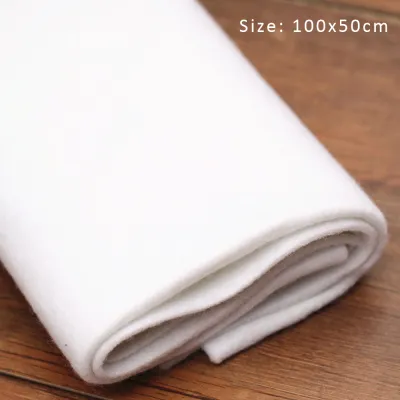
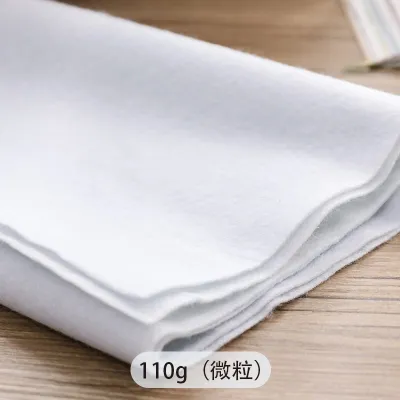
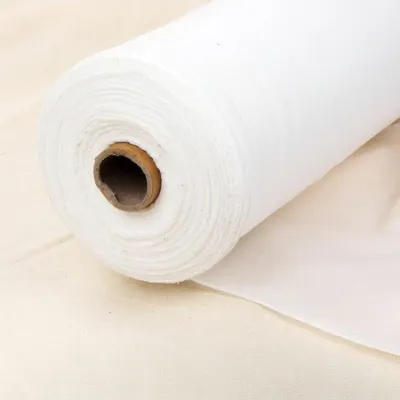
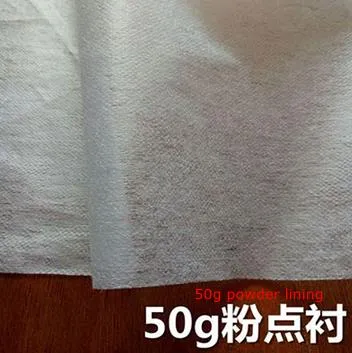
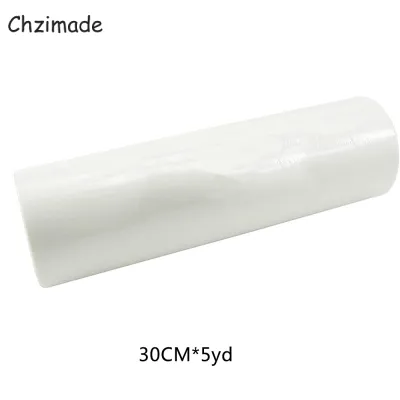
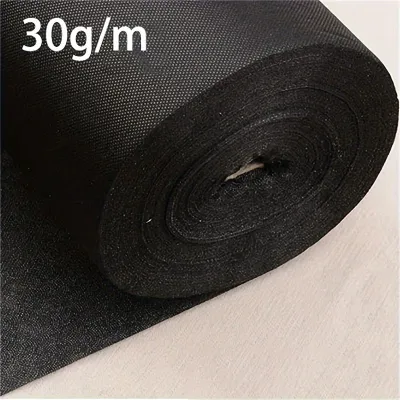
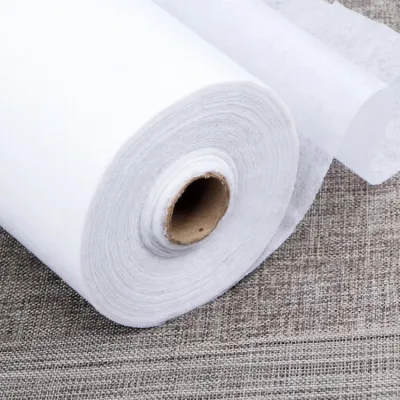
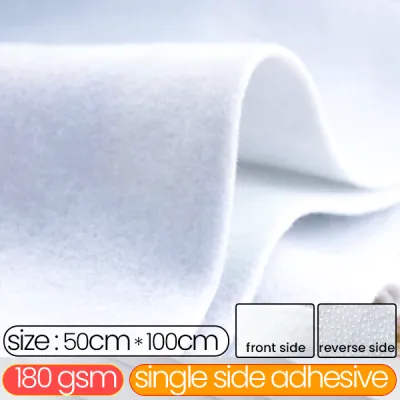
Prices are valid at publication and may change. Please refer to the product page for the latest price.
However, fusible interfacing is not a universal solution. Delicate, highly textured, or heat-sensitive fabrics can be easily ruined by the high temperatures of an iron. For materials like velvet, silk, faux leather, sequins, or heavily textured wools, sew-in interfacing is the appropriate choice. Sew-in options do not have adhesive; instead, they are basted or stitched directly to the wrong side of the fabric pieces within the seam allowances. This preserves the natural drape, texture, and loft of the fashion fabric without risking heat damage.
When deciding between these application methods, you must also consider potential limitations. Fusible adhesives can sometimes bleed through thin or loosely woven fabrics, leaving unsightly shiny spots or stiff patches on the right side of your project. Additionally, the adhesive layer inherently adds a degree of stiffness that might alter the natural movement of a fluid fabric. Always check the manufacturer care labels of your base fabric to verify its heat tolerance, and perform a test on a small scrap before committing to a fusible option.
Comparing Structural Types: Woven, Non-Woven, and Knit Options
The structural construction of interfacing determines how it drapes, stretches, and behaves under tension. Woven interfacing is created much like standard fabric, with intersecting warp and weft threads that form a distinct grainline. Because it has a grain, you must align and cut woven interfacing along the same grainline as your main fabric pieces. This matching ensures that the interfacing drapes naturally with the garment, offering excellent durability and a soft, fluid structure that is ideal for tailored jackets, shirt collars, and high-wear areas.

Non-woven interfacing is manufactured by bonding fibers together chemically, thermally, or mechanically, resulting in a felt-like sheet with no grainline. Because it lacks a grain, you can cut non-woven interfacing in any direction, making it highly cost-effective with minimal waste. It is widely used for crafts, bags, and areas of garments that require stiffening rather than fluid drape. However, because the fibers are merely bonded, non-woven interfacing can tear more easily under stress and may create a slightly paper-like stiffness if used incorrectly in soft garments.
Knit interfacing is specifically engineered to stretch and recover, making it indispensable for modern stretch fabrics. Usually made with a tricot construction, knit interfacing offers crosswise stretch while remaining stable in the lengthwise direction. This unique property allows it to support jersey, spandex, and stretch-woven fabrics without restricting their natural elasticity. When applied to knit garments, it prevents necklines and hems from sagging or stretching out of shape while maintaining the comfortable, body-conforming fit of the apparel.
Evaluating Fiber Content and Weight for Fabric Compatibility
The fiber content of interfacing directly influences its performance, breathability, and care requirements. Most modern interfacings are made from polyester, nylon, cotton, or rayon blends. Polyester and nylon blends are highly durable, resistant to shrinking, and dry quickly, making them excellent for everyday garments and synthetic fabrics. Cotton interfacing offers superior breathability and a natural feel, which pairs beautifully with linen, cotton, and other natural fibers, though it may require pre-shrinking before application to prevent puckering later.
Weight is the most critical factor in matching interfacing to your base fabric. Interfacings are generally categorized into lightweight, mediumweight, and heavyweight options. The fundamental rule of thumb is to select an interfacing that is slightly lighter in weight than, or at most equal to, the weight of your fashion fabric. Using an interfacing that is too heavy will overpower the fabric, causing stiff, unnatural ridges and a bulky appearance along the seams. Conversely, an interfacing that is too light will fail to provide the necessary support, leaving collars and cuffs looking limp and unprofessional.
To verify the weight and fiber content, carefully inspect the product packaging or bolt end when purchasing. If you are shopping in a local store, you can physically test the compatibility by layering a piece of the interfacing under your fashion fabric and draping them together over your hand. This simple test allows you to observe how the two layers interact and whether the combined weight achieves the desired structure.
How to Match and Test Interfacing for Your Specific Project
Before cutting into your main project pieces, executing a pre-testing protocol is the best way to prevent costly mistakes. Cut a small square of your fashion fabric and a slightly smaller square of your chosen interfacing. If using a fusible type, follow the manufacturer’s instructions to fuse the two pieces together, paying close attention to the recommended iron temperature, pressure, and pressing time. Allow the sample to cool completely before handling, as the adhesive needs time to set and cure.
Once the sample is cool, evaluate the results thoroughly. Check the adhesion strength by gently trying to peel the layers apart at the corners; if they separate easily, you may need to adjust your heat, steam, or pressing time. Observe the drape of the fused sample by holding it up and letting it fold over your fingers. Look closely at the right side of the fabric to ensure there is no adhesive bleed-through, bubbling, or unexpected color changes.
To guide your selection, you can refer to a basic project mapping strategy. For structured shirt collars, cuffs, and button plackets on woven shirts, a lightweight to mediumweight woven fusible interfacing is typically ideal. For tote bags, fabric baskets, and home decor items where rigidity is desired, a heavyweight non-woven fusible or sew-in interfacing provides the necessary stiffness. For stretch knit hems and activewear, a lightweight knit fusible interfacing ensures the garment retains its stretch and recovery.
Finally, keep in mind that fusible adhesives have a finite shelf life. Over time, exposure to air, humidity, and temperature fluctuations can cause the adhesive dots to dry out, degrade, or lose their bonding capability. When purchasing interfacing, look for clean, well-sealed packaging, and store your supply in a cool, dry place. If you are using older interfacing from your stash, always perform a test fuse to verify that the adhesive is still active and secure before starting your project.
Frequently Asked Questions (FAQ)
Can I use fusible interfacing on heat-sensitive fabrics like velvet or sequins?
Using standard fusible interfacing on heat-sensitive fabrics like velvet, silk, or sequins carries a high risk of damaging the material. The high heat and pressure required to melt the adhesive can permanently crush the pile of velvet, melt synthetic sequins, or scorch delicate silk fibers. For these sensitive textiles, it is highly recommended to use a sew-in interfacing instead. If a fusible option is absolutely necessary, look for specialized low-temperature adhesives, and always use a protective pressing cloth while testing on a scrap piece first.
Why is my fusible interfacing bubbling or peeling off after washing?
Bubbling or peeling after washing usually indicates an incomplete adhesive bond during the initial application. This failure often happens when the iron was not hot enough, insufficient pressure was applied, or the iron was glided across the fabric rather than pressed firmly in place. Additionally, skipping the cooling phase before moving the fabric can disrupt the bond. Another common cause is the presence of fabric finishes, such as water-repellent coatings, which prevent the adhesive from penetrating the fibers. Pre-washing your fashion fabric can help remove these finishes and improve adhesion.
Is non-woven interfacing suitable for garment construction?
Non-woven interfacing can be used in garment construction, but its suitability depends on the specific area and the desired drape. Because non-woven materials lack a grain and are made of bonded fibers, they do not drape as fluidly as woven or knit options and can tear under high stress. They are best suited for small, structured areas like waistbands, cuffs, or collar stands where stiffness is preferred. For main garment sections, tailored jackets, or fluid dresses, upgrading to a woven or knit interfacing will provide significantly better longevity, natural drape, and durability through repeated wash cycles.

Community discussion
Share your experience or ask a question. Comments are reviewed before publication.