
The “best” exercise book brand for daily writing depends heavily on your primary writing tools and personal preferences for paper texture and brightness. Instead of a single universal winner, the ideal choice emerges from matching observable paper specifications—such as weight, opacity, and coating—to specific daily tasks like homework, journaling, or note-taking. This guide breaks down how to evaluate and compare popular exercise book brands based on verifiable paper traits rather than marketing claims.
In Singapore, where students and professionals alike deal with high daily writing volumes, finding the right exercise book can significantly impact writing comfort. The local climate also plays an unexpected role, as high humidity can cause lower-quality paper to absorb moisture from the air, leading to increased ink feathering and slower drying times. By understanding the physical properties of paper, you can make an informed decision that keeps your notes clean, legible, and durable throughout the academic or fiscal year.
What Defines "Good" Paper Quality in Exercise Books?
To compare exercise books effectively, you must first understand the technical specifications that dictate paper performance. The most common metric you will encounter is GSM, which stands for grams per square meter. This measurement indicates the weight and density of the paper, which directly correlates with its thickness, stiffness, and opacity. Standard exercise books typically range from 60 GSM to 120 GSM, with higher numbers indicating thicker pages that are less likely to let ink show through to the other side.
Products mentioned in this guide
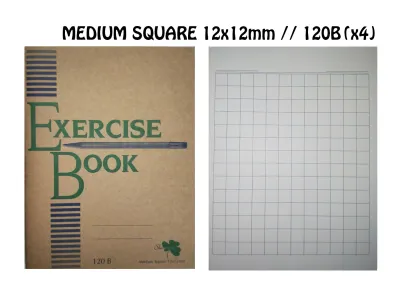
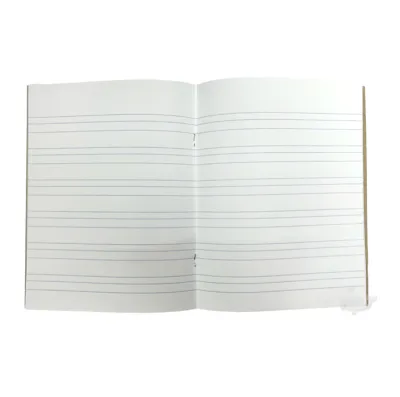
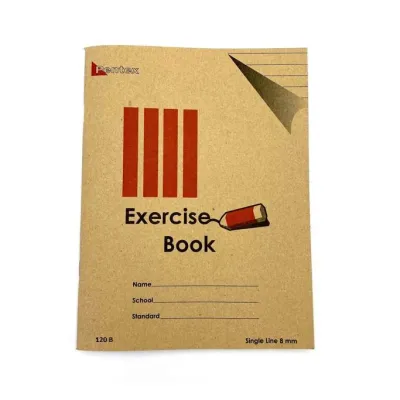
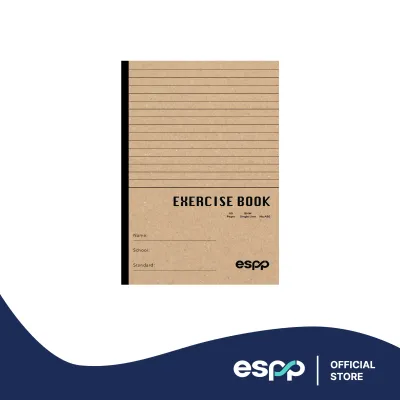
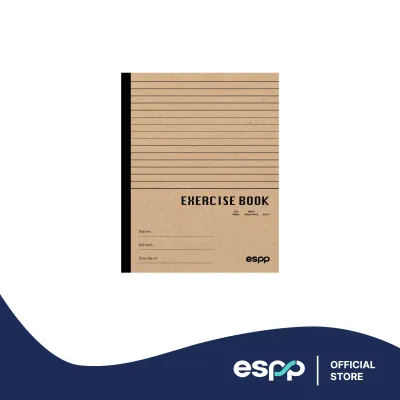
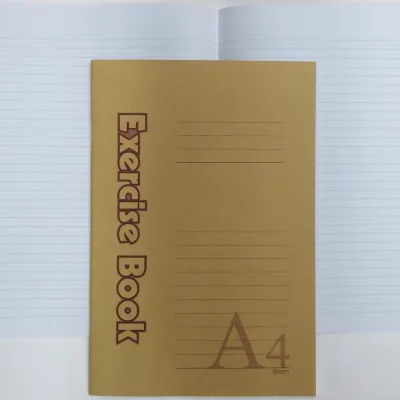
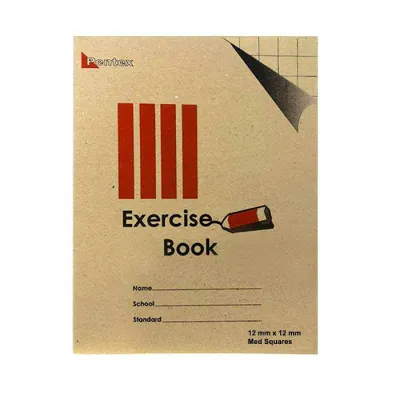
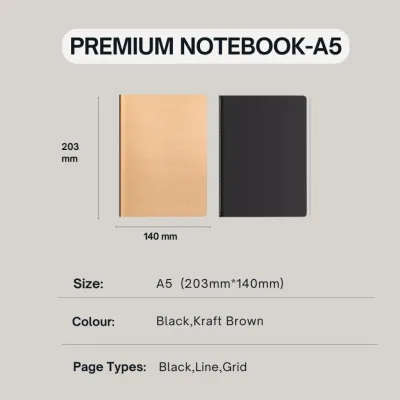
Prices are valid at publication and may change. Please refer to the product page for the latest price.
Paper color is another critical factor that affects daily writing comfort. Exercise books generally come in bright white, off-white, or cream shades. While bright white paper offers high contrast that makes dark inks stand out, it can also reflect a significant amount of light, leading to eye strain during long study sessions under bright classroom or office fluorescent tubes. Cream and off-white papers absorb more light, providing a softer background that is much easier on the eyes over extended periods.
The surface texture and chemical treatment of the paper, known as sizing, determine how it interacts with different inks. Sizing involves adding substances to the paper fibers during manufacturing to control water absorption. Highly sized paper resists liquid penetration, which prevents water-based inks from spreading out and causing fuzzy lines, a phenomenon known as feathering. However, this resistance also means that inks take longer to dry, which can lead to accidental smudging, particularly for left-handed writers. Conversely, paper with low sizing absorbs ink quickly but is highly prone to bleed-through.
How Popular Exercise Book Brands Differ in Paper Specs
When browsing the shelves of local bookstores or online marketplaces, you will generally find exercise books categorized into standard school brands and premium stationery brands. Standard school and office brands are engineered primarily for cost-effectiveness and high-volume utility. These books typically feature paper weights between 70 GSM and 80 GSM, which is perfectly adequate for standard ballpoint pens and graphite pencils. The paper in these budget-friendly options is almost always bright white, prioritizing high contrast for quick grading and scanning.

Premium or specialized stationery brands cater to users who demand a more refined writing experience. These notebooks often utilize paper weights of 90 GSM to 120 GSM, providing a substantial, heavy feel to each page. They frequently feature cream-colored, acid-free paper that resists yellowing over time. Furthermore, premium brands apply specialized sizing treatments to ensure that even wet fountain pen inks dry with sharp, crisp edges without bleeding through the page.
However, it is important to note that brand names alone do not guarantee a uniform level of paper quality. Many well-known stationery manufacturers produce multiple product lines to target different price points and user needs. A brand’s entry-level school exercise book may use standard 70 GSM paper, while its professional or artistic line from the same brand might feature premium 100 GSM paper. For this reason, you should always check the specific product labels and specifications rather than assuming all books from a single brand perform identically.
Matching Paper Types to Your Daily Writing Tools
Selecting the right exercise book requires matching the paper’s physical traits to the specific writing instruments you use most frequently. If you prefer writing with fountain pens, rollerballs, or high-flow gel pens, you will need to prioritize paper weight and sizing. These pens deposit a relatively large volume of liquid ink onto the page. To prevent the ink from soaking through the fibers and ruining the reverse side of the sheet, look for exercise books with a minimum weight of 80 GSM, though 90 GSM or higher is ideal for double-sided note-taking.
For those who rely on standard ballpoint pens and wooden or mechanical pencils, standard-weight paper is often the most practical and efficient choice. Ballpoint ink is oil-based and highly viscous, meaning it rarely feathers or bleeds, even on thin 60 GSM paper. Pencils rely on physical friction to transfer graphite onto the page. A paper with a slight “tooth” or microscopic texture is actually preferable for pencil writing, as ultra-smooth, highly coated premium papers can cause the pencil lead to slip without leaving a clear mark.
Highlighters and felt-tip markers present a unique challenge for daily note-taking. These tools release a broad, wet line of ink that can easily saturate standard paper. If your study routine involves heavy highlighting, you will need paper with high opacity to prevent “ghosting”—where the highlighted text is visible as a shadow on the back of the page. Opting for an exercise book with at least 80 GSM paper and a smooth, well-sized finish will help contain the highlighter ink on the surface of the page.
A Practical Checklist for Comparing Brands In-Store or Online
Before purchasing a stack of exercise books for the upcoming term, you can use a few simple strategies to verify the paper quality. If you are shopping online, carefully read the product description for explicit mentions of GSM, paper color, and ruling formats. Look for terms like “bleed-resistant,” “acid-free,” or “fountain pen friendly,” which indicate that the manufacturer has applied specialized sizing to handle wet inks.
When shopping in a physical retail store, you have the advantage of being able to evaluate the physical product. Start by feeling the thickness and stiffness of a single page between your fingers; higher-quality paper will feel substantial and resist tearing. Next, inspect the binding of the exercise book. Stitched or stapled bindings are generally more durable than simple glued bindings, which can dry out and crack, causing pages to fall out over time.
If the store provides sample copies or display models, perform a quick writing test on one of the back pages using your preferred pen. Write a few words and observe how quickly the ink dries to assess the paper’s absorption rate. Flip the page over to check for immediate bleed-through or excessive ghosting. Finally, check online user reviews and stationery forums to see how other writers rate the brand’s performance with various pen and ink combinations.
Decision Framework: Which Exercise Book Should You Buy?
To make your final decision, consider your primary writing tools, your budget, and how you plan to use the exercise book. If you are buying in bulk for standard school subjects, primarily write with ballpoint pens or pencils, and need to keep costs low, standard school brands are the most logical choice. These books offer excellent value, are lightweight enough to carry in a schoolbag, and perform reliably with dry writing instruments.
If you use gel pens, highlighters, or fountain pens, and prefer to write on both sides of every page, investing in premium stationery brands is highly recommended. The thicker, well-sized paper in these books prevents distracting bleed-through and ghosting, ensuring that your notes remain clean and legible. This is particularly important for long-term reference materials, journals, or professional notebooks where presentation matters.
Lastly, always verify the specific product line before making a purchase. If you have strict requirements for paper color, archival quality, or specific ruling formats like grid or dotted lines, double-check the product specifications. By matching the paper’s GSM, sizing, and texture to your specific writing habits, you can find the perfect exercise book to support your daily writing needs.
Frequently Asked Questions (FAQ)
Does higher GSM always mean better paper for everyday schoolwork?
Not necessarily. While higher GSM paper offers superior resistance to ink bleed-through and ghosting, it also makes the exercise book significantly heavier and bulkier. For students who need to carry multiple books to school every day, a backpack filled with high-GSM notebooks can become unnecessarily heavy. Furthermore, standard school tasks performed with ballpoint pens or pencils do not require the extra thickness of heavy paper, making standard 70 GSM to 80 GSM books a more practical and cost-effective choice for daily use.
How can I prevent highlighters from bleeding through my exercise book?
If you are using standard exercise books with thinner paper, you can prevent highlighter bleed-through by adjusting your tools and techniques. Consider switching from traditional, wet fluorescent markers to mild-liner or pastel highlighters, which typically deposit less ink onto the page. Always wait for your primary writing ink to dry completely before applying highlighter over it, as wet ink can smear and pull moisture deeper into the paper fibers. Additionally, you can place a thick sheet of scrap paper or a plastic writing board directly behind the page you are working on to act as a blotter, protecting the subsequent pages from accidental ink transfer.

Community discussion
Share your experience or ask a question. Comments are reviewed before publication.