
Preparing your child for a new school year in Singapore involves balancing practical classroom requirements with items that keep them motivated. Mofu stationery, known for its charming character designs, pastel color palettes, and playful animal motifs, has become a popular choice for primary school students. To build an effective back-to-school list, you must select Mofu items that serve a genuine academic purpose while complying with school regulations. The ideal list combines functional writing tools, organized storage, and durable paper products that can withstand daily classroom use without becoming a distraction.
By focusing on ergonomic designs, appropriate ink types, and sturdy construction, you can integrate these appealing designs into a highly productive study routine. This guide outlines how to evaluate Mofu products for different primary school levels, ensuring your child is fully equipped with tools that are both delightful to use and highly functional.
How to Choose Mofu Stationery for Primary Students
Selecting stationery for primary school students requires a careful balance between visual appeal and classroom utility. While children are naturally drawn to the cute characters and bright colors of Mofu products, parents must first review individual school policies regarding themed merchandise. Many primary schools in Singapore discourage highly decorative or toy-like stationery in the classroom to minimize distractions during lessons. Before purchasing, check the school handbook or guidelines from the form teacher to ensure that character-themed pencil cases, rulers, or pens are permitted. Opting for Mofu items with subtle, minimalist character prints rather than large, three-dimensional attachments is often the safest way to comply with these rules.
Products mentioned in this guide
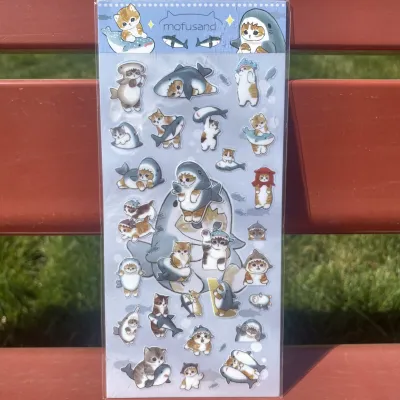
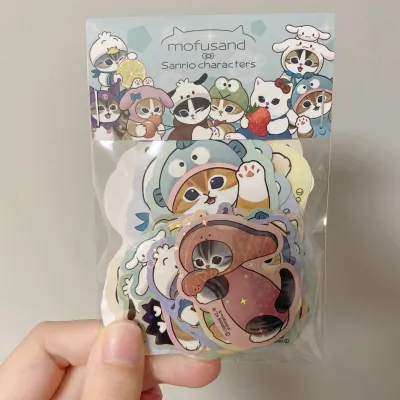
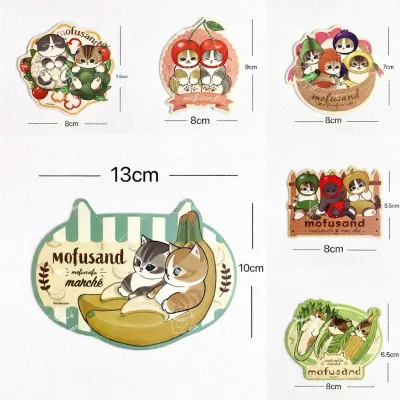
Prices are valid at publication and may change. Please refer to the product page for the latest price.
Ergonomic suitability is another critical factor, especially for younger learners who are still developing their fine motor skills and pencil grip. For students in lower primary levels, look for Mofu writing tools that feature thicker barrels or dedicated triangular grips. These designs help reduce hand fatigue and encourage a proper tripod grasp. The weight of the tool is equally important; heavy metal pens or excessively top-heavy novelty pencils can strain small hands and hinder handwriting development. Lightweight plastic or wooden options are generally preferred for daily classroom writing tasks.
Finally, evaluate the durability and functional reliability of each item. A busy classroom environment can be tough on stationery, with items frequently dropped, shared, or packed tightly into school bags. Look for Mofu pencil cases with reinforced stitching, sturdy zippers, and water-resistant linings that can survive accidental spills. For rulers and scissors, shatterproof plastics and rounded safety blades are essential. Balancing your child’s aesthetic preferences with these practical safety and durability standards ensures that their school supplies remain useful throughout the academic year.
Core Mofu Essentials for Daily Classroom Use
Building a reliable stationery kit involves mapping your child’s daily classroom schedule to specific, high-quality tools. Mofu offers a wide range of products, from basic wooden pencils to elaborate desk organizers, making it easy to find items that fit your school’s curriculum. The key is to establish a clear distinction between everyday essentials that live in the school bag and specialty items reserved for home study.

When selecting items from the Mofu range, pay close attention to any decorative features that might interfere with core functionality. For example, a pencil topped with a large, heavy silicone character might look appealing but can make writing unbalanced and slow. Similarly, notebooks with overly textured covers might not stack neatly or fit easily into a standard school bag. Focus on items where the character art is integrated flat onto the surface, preserving the tool’s primary utility.
Writing Tools and Erasers
Writing instruments form the foundation of any primary schooler’s daily kit. For younger students, wooden pencils remain the standard, and you should verify the lead hardness and thickness before purchasing. In Singapore primary schools, 2B lead is widely required for its dark, legible mark, which is particularly important for optical mark readers used in examinations. If your child is transitioning to mechanical pencils in upper primary, ensure the lead size (typically 0.5mm or 0.7mm) matches their writing pressure; heavy-handed writers often benefit from sturdier 0.7mm leads to prevent frequent breakage.
For older students allowed to use pens, gel and ballpoint options must be evaluated for ink drying speed and smudge resistance. Left-handed students, in particular, require quick-drying ink formulas to prevent smearing as their hand moves across the page. Check the tip size as well; a 0.5mm or 0.7mm tip offers a good balance of smoothness and precision for standard lined school exercise books.
Erasers must be chosen for their ability to clean pages without damaging the paper fibers. Look for Mofu erasers labeled as “dust-free” or “non-abrasive,” which consolidate eraser shavings into single strands for easy cleanup. Avoid hard, highly scented novelty erasers that tend to smear graphite rather than lift it, as these can easily tear thin exercise book pages during heavy correction.
Notebooks, Paper, and Folders
The choice of paper goods depends heavily on the subject matter and the student’s grade level. Lower primary students typically use broad-ruled or double-lined books to practice letter formation, while upper primary students transition to standard single-ruled lines or grid paper for mathematics. When browsing Mofu notebooks, ensure the page layout matches the specific requirements of your child’s subjects.
Paper weight and opacity are crucial factors, especially with the frequent use of gel pens, highlighters, and felt-tip markers. Look for notebooks with a paper weight of at least 70 to 80 gsm (grams per square meter) to prevent ink from bleeding through to the reverse side. This is particularly important in Singapore’s humid climate, which can sometimes make paper more susceptible to moisture absorption and ink feathering.
Consider the binding style based on how the notebook will be used. Stitched or thread-bound notebooks lay completely flat on the desk, providing a comfortable surface for writing across the entire page. Spiral-bound notebooks allow for easy page removal but can sometimes catch on other items inside a school bag. For organizing loose worksheets, handouts, and spelling lists, durable plastic L-shape folders or multi-compartment expanding files with secure snap closures are indispensable for keeping papers neat and dry.
Pencil Cases and Desk Organizers
A well-organized pencil case helps students find their tools quickly, minimizing downtime during transitions between lessons. When choosing a Mofu pencil case, compare its physical dimensions against the limited space available on a standard primary school desk. A massive, multi-layered hard case can easily slide off a small desk or take up too much room, leaving little space for textbooks and exercise books. A medium-sized, flexible pouch is often the most practical choice.
The opening mechanism should be easy for young fingers to operate. Smooth, nylon zippers with large pull tabs are generally the most reliable and durable option. Magnetic closures can be convenient but must be checked to ensure they stay securely shut when the case is jostled inside a heavy school bag. Avoid complex, button-activated pop-out compartments, as these are prone to breaking and can become a major source of distraction during class.
Material selection plays a huge role in the longevity of a pencil case. Canvas, polyester, or nylon fabrics are excellent choices because they are lightweight, resistant to tearing, and easy to hand-wash when ink leaks occur. Water-resistant interior linings are highly beneficial, preventing a leaking pen from ruining the rest of the items in your child’s school bag. While a basic pouch might cost less, allocating around S$15 to S$25 for a durable, high-quality Mofu pencil case is a worthwhile investment that can last the entire school year.
Adjusting Your Mofu Checklist by Grade Level
As students progress through primary school, their academic tasks and organizational needs change significantly. A stationery list that works perfectly for a Primary 1 student will not suffice for a Primary 6 student preparing for major national examinations. Tailoring your Mofu purchases to your child’s specific grade level ensures they have the right tools without unnecessary clutter.
For lower primary students (Primary 1 to Primary 3), the focus should be on simplicity, ergonomics, and high visibility. These young learners are still mastering basic organization, so their kits should contain fewer, highly functional items. Prioritize thick-grip wooden pencils, large and easy-to-hold erasers, and a simple single-compartment pencil case. Bright, distinct colors can help children quickly identify their own belongings if they get misplaced in the classroom. Avoid complex tools like utility knives or advanced compasses, which are not required and can pose safety risks.
In contrast, upper primary students (Primary 4 to Primary 6) require a more specialized and diverse set of tools. This is the stage where students transition to using blue or black gel pens for daily writing, requiring a steady supply of refills. They will also need geometry sets containing a protractor, set squares, and a reliable compass for mathematics lessons. A larger, multi-compartment Mofu pencil case or a desktop organizer for home study becomes highly useful for managing these additional instruments.
You should also adjust the quantity of consumables based on your child’s workload. Lower primary students tend to lose or wear down erasers and pencils at a rapid rate, making bulk packs of basic writing tools a smart investment. Upper primary students may consume more pen refills, highlighters, and correction tape. Monitoring your child’s usage during the first term will help you establish a realistic replenishment schedule for the rest of the school year.
Final Checks Before Purchasing Mofu School Supplies
Before finalizing your online shopping cart or heading to the store, take a few moments to cross-reference your selected Mofu items with the official booklist provided by your child’s school. School booklists often specify exact requirements, such as the color of folders for specific subjects or the prohibition of correction fluid in favor of correction tape. Ensuring your purchases align perfectly with these institutional guidelines prevents the waste of buying unapproved items.
Evaluating the value of multi-packs versus individual items is another excellent way to manage your back-to-school budget. High-consumption items like 2B pencils, standard white erasers, and glue sticks are almost always more cost-effective when purchased in bundles. You can keep the bulk of the bundle at home as a backup supply, dispensing individual items to your child’s pencil case only as needed. Save individual purchases for specialty items, such as a premium Mofu pencil case or a specific character notebook that your child particularly cherishes.
Finally, consider stock availability and plan ahead for mid-year replacements. Popular character stationery lines can sell out quickly during the peak back-to-school shopping seasons in December and January. Purchasing a few extra essential items—such as matching erasers, pencil caps, or ruler sets—at the start of the year ensures you have identical replacements ready when items inevitably get lost or worn out, maintaining a consistent and organized kit for your child all year round.
Frequently Asked Questions (FAQ)
Are Mofu character stationery items allowed in all primary schools? (FAQ)
School policies regarding character-themed stationery vary widely across different institutions. While some schools allow students to use any functional stationery they prefer, others enforce strict rules against highly decorative, toy-like, or distracting items to maintain focus in the classroom. It is highly recommended to consult your school’s official handbook or check with the form teacher before purchasing heavily themed Mofu sets. Opting for simpler designs with flat, printed character motifs is generally a safe compromise.
How can I prevent Mofu pens from smudging for left-handed students? (FAQ)
To minimize smudging for left-handed writers, focus on selecting quick-drying ink formulations from the Mofu range, such as fast-dry gel inks or low-viscosity ballpoint pens. You can also encourage your child to use a smudge guard glove or practice adjusting their paper angle to keep their writing hand positioned below the line of text. Ensuring the paper quality in their notebooks is sufficiently absorbent can also help the ink set much faster.
Is it better to buy Mofu stationery in bundles or individually? (FAQ)
Purchasing high-use basics like pencils, erasers, and glue sticks in bundles is generally the most economical choice, as it offers a lower cost per unit and ensures you have immediate replacements at home. Individual purchases are better suited for specialized or higher-value items, such as pencil cases, scissors, or specific notebook designs. This approach allows your child to select their favorite character styles for their main gear while keeping everyday consumables practical and budget-friendly.

Community discussion
Share your experience or ask a question. Comments are reviewed before publication.