
When you need to send important documents, choosing the right envelope thickness is the first line of defence against transit damage. A truly durable, thick envelope typically starts at 100 GSM (Grams per Square Meter) and can go up to 150 GSM or higher for rigid mailers. Standard mailing envelopes, which usually range between 70 and 90 GSM, are suitable for everyday letters but lack the structural integrity to protect bulkier or high-value contents from tearing, bending, and moisture.
Understanding these specifications helps you balance protection, presentation, and postage costs. Selecting the correct paper weight ensures your documents arrive in pristine condition, whether they are crossing Singapore or travelling internationally.
Understanding Envelope Paper Weight: GSM vs. Pounds
To select the right envelope, you must first understand how paper weight is measured. Manufacturers generally use two primary systems to indicate paper thickness: Grams per Square Meter (GSM) and the Pound (lb) system. While both measurements indicate paper density, they operate on entirely different scales.
Products mentioned in this guide
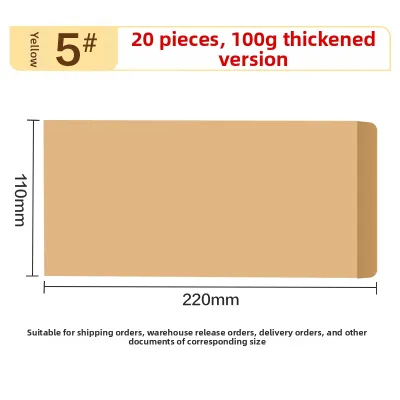
Prices are valid at publication and may change. Please refer to the product page for the latest price.
GSM is the metric standard used throughout Singapore and most of the world. It measures the absolute weight of a single square meter of paper, regardless of how the paper is cut or folded. Because the reference area is always one square meter, GSM provides an incredibly consistent and straightforward way to compare different envelope brands and styles. If you see an envelope rated at 120 GSM, you know exactly how dense that paper is, whether it is a small C6 envelope or a large C4 pocket envelope.
In contrast, the Pound (lb) system is a traditional imperial measurement primarily used in North America. It represents the “basis weight,” which is the weight of a full ream (typically 500 sheets) of paper in its uncut, manufacturer-standard sheet size. This system can quickly become confusing because the standard uncut size varies depending on the type of paper being measured (such as bond paper, text paper, or cover stock). For example, a 24 lb bond envelope is actually lighter and thinner than a 60 lb text envelope, even though the numbers might suggest otherwise to a casual buyer.
When comparing options in local stationery shops or online marketplaces, focusing on the GSM rating is the most reliable approach. A higher GSM number consistently translates to a heavier, thicker, and more durable envelope. By sticking to metric measurements, you eliminate the guesswork and ensure you are comparing equivalent paper densities.
What Qualifies as a Durable, Thick Envelope?
Not all envelopes are created equal, and paper weight is the primary factor that determines their structural strength. To find a thick envelope that can withstand the rigours of sorting machines and manual handling, you need to know where standard weights end and heavy-duty options begin.

Standard and Light-Weight Envelopes (70–90 GSM)
Envelopes in the 70 to 90 GSM range represent the baseline for standard office stationery. Most everyday business envelopes, such as standard white DL envelopes used for invoices and utility bills, fall into this category. These envelopes are highly cost-effective and lightweight, making them ideal for high-volume mailing campaigns where postage costs must be kept to an absolute minimum.
However, these standard weights offer very little protection against physical stress. They are highly susceptible to creasing, bending, and edge damage during transit. If you attempt to insert more than a few sheets of paper, the seams can easily split, and the paper can tear if it catches on automated sorting machinery. Furthermore, standard wood-pulp paper at this weight absorbs moisture quickly, which can compromise the envelope’s integrity in humid tropical climates.
Heavyweight and Thick Envelopes (100–150+ GSM)
The threshold for a premium, durable envelope begins at 100 GSM. Envelopes ranging from 100 to 120 GSM feel noticeably thicker and more substantial in hand. This weight range provides excellent tear resistance and prevents the contents of the envelope from showing through the paper, maintaining confidentiality without requiring a security tint pattern.
For maximum protection, heavyweight envelopes and rigid mailers are rated at 150 GSM and above. Often made from heavy cardstock, kraft paper, or reinforced materials, these envelopes behave more like protective folders than simple paper pockets. They offer high resistance to bending, making them the industry standard for shipping items that must remain completely flat during transit.
Matching Envelope Thickness to Your Document Needs
Selecting the right envelope thickness is a matter of matching the durability of the paper to the vulnerability and weight of your contents. Using an excessively thick envelope for a basic letter wastes money on materials and postage, while using a thin envelope for important certificates risks damaging the contents.
- Everyday Documents (Invoices, standard letters): For standard correspondence, invoices, and multi-page letters that do not contain sensitive or rigid materials, 80 to 90 GSM envelopes are the most practical choice. They keep your overall mailing weight low, helping you stay within the lowest postage tiers of local postal services like SingPost. They also feed smoothly through standard office folding and inserting machines.
- Important Records (Contracts, legal documents, certificates): When sending legal contracts, certificates, or high-value business proposals, upgrade to 100 to 120 GSM envelopes. The extra thickness prevents the documents from creasing easily and ensures the envelope arrives looking professional. The tactile weight of a 120 GSM envelope also conveys a sense of importance and high quality to the recipient the moment they hold it.
- Rigid or Heavy Items (Photographs, small booklets, ID cards): If you are mailing photographs, passports, certificates, or heavy brochures, choose envelopes rated at 130 to 150+ GSM, or opt for dedicated rigid board-back mailers. These heavy-duty options protect the edges of your items and prevent the envelope from bending or folding in postboxes or transit bags.
The following quick-reference table summarizes the ideal GSM ranges for common mailing scenarios:
| Document Type | Recommended GSM Range | Primary Benefit |
|---|---|---|
| Invoices, receipts, and short letters | 80 – 90 GSM | Cost-effective, lightweight, automated sorting |
| Legal contracts, certificates, and resumes | 100 – 120 GSM | Tear-resistant, professional feel, opacity |
| Photographs, brochures, and thin catalogs | 120 – 130 GSM | Moderate rigidity, edge protection |
| Passports, heavy booklets, and art prints | 130 – 150+ GSM (or Rigid Mailers) | High bend resistance, maximum durability |
Beyond Paper Weight: Other Factors for Envelope Durability
While GSM is an excellent indicator of paper thickness, paper weight alone does not guarantee that an envelope will survive transit. Several other design and material factors play a crucial role in overall durability.
- Paper Material and Finish: The type of fibres used to make the paper significantly impacts its strength. For example, kraft paper is made using a chemical pulping process that preserves long cellulose fibres, making a 90 GSM kraft envelope much stronger and more tear-resistant than a 90 GSM standard white wood-pulp envelope. Cotton-blend papers offer superior durability and a luxurious texture, while synthetic materials like Tyvek provide near-indestructible tear and water resistance at a very low physical weight—a major advantage for protecting documents from sudden tropical downpours.
- Seam and Flap Construction: An envelope is only as strong as its weakest point, which is almost always the seams. High-quality durable envelopes feature wide, well-glued seams (such as side seams rather than center seams) to distribute pressure evenly. The adhesive on the flap is equally critical; peel-and-seal strips with heavy-duty adhesive offer a much stronger, more reliable seal than traditional lick-and-stick gummed flaps, which can degrade or accidentally stick together prematurely in high-humidity environments.
- Texture and Grain: The direction of the paper grain affects how the envelope folds and resists splitting. Envelopes designed with the grain running parallel to the longest edge are less likely to crack or split along the folds when stuffed with bulky documents. Textured finishes, such as laid or linen textures, can add physical stiffness to the paper, though they may require stronger adhesives to ensure a complete seal.
Frequently Asked Questions (FAQ)
Is a higher GSM always better for mailing?
Not necessarily. While a higher GSM provides superior protection and a premium feel, it also increases the physical weight of the mailpiece. In Singapore, local postal rates are calculated based on weight steps; choosing a heavy 150 GSM envelope instead of a 100 GSM option could push your letter into a higher postage bracket, significantly increasing mailing costs for bulk shipments. Additionally, excessively thick or rigid envelopes cannot pass through automated postal sorting machines, which may result in non-standard mail surcharges or delivery delays.
Can I print directly on thick envelopes using a standard office printer?
It depends on your printer’s specifications. Most standard office laser and inkjet printers can comfortably handle envelopes up to 100 or 120 GSM through their standard paper trays. However, envelopes exceeding 120 GSM, or those with rigid board backings, can easily cause paper jams, misaligned text, or roller damage. To print on thick envelopes safely, always check your printer manual for the maximum supported media weight and use the manual feed slot or multi-purpose tray, which provides a flatter paper path to prevent bending.

Community discussion
Share your experience or ask a question. Comments are reviewed before publication.