
Selecting the right envelope size for your letter paper prevents folded edges, torn paper, and unprofessional presentation. The correct envelope depends on your paper standard—typically ISO A4 or US Letter—and how you plan to fold the document. For flat, unfolded A4 paper, a C4 envelope is the standard match, while folding it in half requires a C5 envelope, and folding it into thirds fits a DL envelope. For US Letter paper, a No. 10 envelope is the standard choice for a three-panel fold.
Understanding these dimensions ensures your mail looks neat and fits securely. Whether you are preparing business correspondence, sending invitations, or mailing official documents, matching your paper to the correct envelope size will save time and prevent wasted stationery.
Identifying Your Standard Letter Paper Dimensions
Before purchasing envelopes, you must identify the standard of the letter paper you are using. “Standard letter paper” can refer to different dimensions depending on where the paper was manufactured or the settings of the document creator.
Products mentioned in this guide
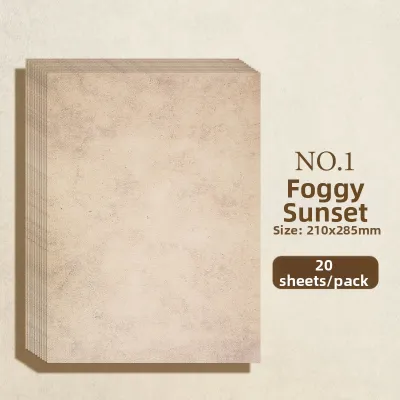
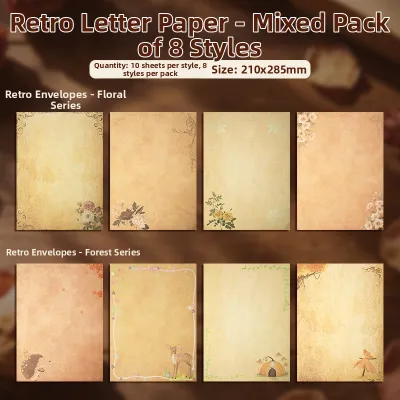
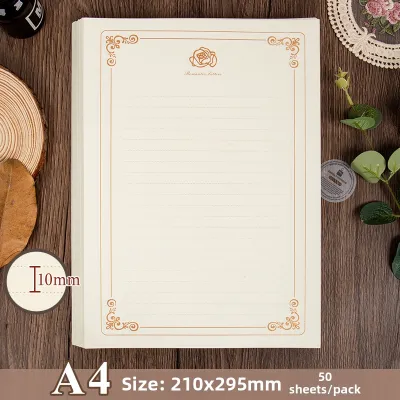
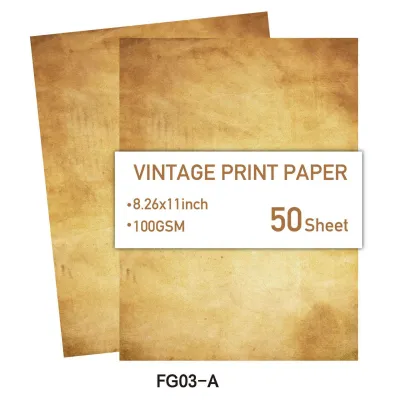
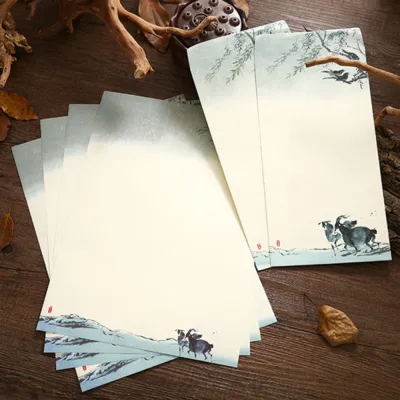


Prices are valid at publication and may change. Please refer to the product page for the latest price.
In Singapore and most international markets, the standard paper size is ISO A4. A4 paper measures exactly 210 mm by 297 mm. This is the default paper size used in local offices, schools, and home printers. If you purchased your paper pack locally, it is almost certainly A4.
In contrast, North American markets use US Letter paper as their standard. US Letter paper measures 8.5 inches by 11 inches, which translates to approximately 215.9 mm by 279.4 mm. US Letter paper is slightly wider and shorter than A4 paper. This small difference in width can make a significant difference when trying to slide folded sheets into standard international envelopes.
If you are handling imported documents or are unsure of the paper standard, use a physical ruler to measure the width and length of a single sheet. Knowing these exact measurements will guide you to the correct envelope category.
Envelope Matches for A4 Paper (ISO Standard)
Because A4 paper follows the international ISO standard, it pairs systematically with the ISO C-series envelope system. This system is designed so that each C-series envelope fits the corresponding A-series paper sheet perfectly.

To mail A4 paper completely flat and unfolded, you must use a C4 envelope. Measuring 229 mm by 324 mm, a C4 envelope easily accommodates a flat sheet of A4 paper with enough clearance to prevent the edges from bending. This size is ideal for official contracts, certificates, and documents that must not be creased.
If you prefer to fold your A4 paper in half horizontally, you create an A5-sized document. The correct match for this is a C5 envelope, which measures 162 mm by 229 mm. This is a highly popular choice for personal letters, detailed invoices, and multi-page documents that do not require a flat presentation.
For standard business correspondence, folding A4 paper into three equal horizontal sections is the most common practice. This folded shape fits perfectly into a DL (Dimension Long) envelope, which measures 110 mm by 220 mm. DL envelopes are highly efficient for mailing single-sheet letters, invoices, and marketing brochures.
If you are using window envelopes, pay close attention to the alignment of your document. The transparent address window on a DL or C5 envelope is positioned to display the recipient’s address directly from the letter. Fold your paper carefully to ensure the printed address block aligns with the window and does not shift out of sight inside the envelope.
Envelope Matches for US Letter Paper
If your document is printed on US Letter paper, using standard ISO envelopes can lead to a tight or awkward fit. Because US Letter paper is wider than A4, you need envelopes designed specifically for North American commercial standards.
To mail US Letter paper flat without any folds, you should look for 9×12 inch (approximately 229 mm by 305 mm) or 10×13 inch flat envelopes. A standard C4 envelope is often too narrow or tight for unfolded US Letter paper, which can cause the sides of the paper to buckle or tear during insertion.
For standard business mailing where the US Letter paper is folded into thirds, the industry standard is the No. 10 business envelope. Measuring 4.125 inches by 9.5 inches (approximately 105 mm by 241 mm), the No. 10 envelope provides the necessary width to accommodate the 8.5-inch width of folded US Letter paper comfortably.
When shopping for envelopes online or in local stationery shops, always check whether the packaging lists dimensions in inches or millimeters. Checking these specifications carefully prevents conversion errors and ensures you do not accidentally purchase the wrong size for your imported paper stock.
How to Verify Envelope Fit Before Buying
To ensure a smooth mailing process, you should perform a few quick checks before purchasing envelopes in bulk. This prevents the frustration of tight fits, torn paper, or excessive loose space.
First, always allow for a minimum tolerance between the paper’s folded dimensions and the envelope’s internal dimensions. Ideally, the envelope should be at least 5 mm to 10 mm larger than the folded paper on all sides. This clearance allows the document to slide in and out easily without catching on the seams.
Second, account for paper thickness and the number of sheets you plan to insert. Standard printer paper is typically 70 to 80 GSM (grams per square meter). If you are mailing multiple sheets, or using thicker premium paper like 100 GSM or 120 GSM, the stack will occupy more physical volume. This thickness reduces the effective internal width and length of the envelope, meaning you may need to step up to a larger envelope size or choose a pocket-style envelope with a wider gusset.
Third, verify the manufacturer’s stated internal versus external dimensions. Heavy-duty, padded, or cardboard-backed envelopes have thick walls that reduce the usable space inside. The external dimensions listed on the packaging may look sufficient, but the internal space might be too small for your document.
Finally, if you are dealing with custom invitation cards, non-standard letter paper, or unique craft projects, do not guess the size. Stop and consult the manufacturer’s specifications or ask the stationery supplier for a sample to test the fit physically before committing to a large purchase.
Frequently Asked Questions (FAQ)
Can I use a C5 envelope for unfolded A4 paper?
No, a C5 envelope is too small for unfolded A4 paper. A C5 envelope is designed to fit A5-sized items, which are half the size of an A4 sheet. To use a C5 envelope, you must fold your A4 paper in half once. If you need to mail your A4 paper completely flat without any folds, you must use a larger C4 envelope.
What is the difference between C4 and B4 envelopes?
C4 envelopes are designed to fit standard flat A4 sheets perfectly with minimal extra space. B4 envelopes are larger, measuring 250 mm by 353 mm. They are typically used when you need to mail a very thick stack of A4 papers, documents housed inside a folder or binder, or when you need to include rigid cardboard backing to prevent the contents from bending during transit.

Community discussion
Share your experience or ask a question. Comments are reviewed before publication.