
The best envelope size for storing cash depends entirely on the volume of banknotes you have and whether you want to store them flat. For a few unfolded bills, a standard DL or C6 envelope works perfectly. For larger stacks, monthly savings, or mixed denominations, a C5 envelope or a custom gusseted money envelope provides the necessary depth to prevent torn seams and bent corners.
Because banknotes vary in size by denomination, a one-size-fits-all approach can easily lead to crumpled edges or excessively bulky packets. Matching your cash volume and note dimensions to the right envelope standard ensures your money remains secure, organized, and pristine.
Decoding Standard Envelope Size Codes for Cash
Standard paper envelopes rely on the international ISO 216 standard. While originally engineered for flat documents like letters and brochures, these standard dimensions serve as an excellent baseline for organizing paper currency.
Products mentioned in this guide
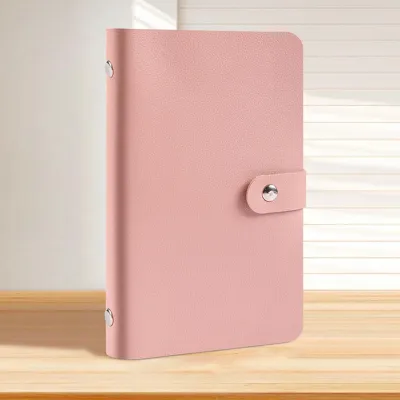
![[SG Ready Stock]Convenient A6 Currency Organizer Cash Envelope Savings Money 6 Holes Binder Zipper Folders Notebook](https://img.lazcdn.com/g/p/33e77e1a5bca858fe4d6d2d4c3c343b9.jpg_400x400q80.jpg_.webp)
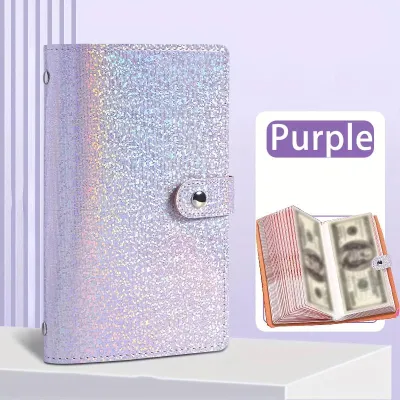
![[SG In Stock]A6 Currency Organizer Cash Envelope Savings Money 6 Holes Currency Binder Zipper Loose-leaf Notebook Binder](https://img.lazcdn.com/g/p/24c3ea43d270427e90462ed91dd9ff31.jpg_400x400q80.jpg_.webp)
Prices are valid at publication and may change. Please refer to the product page for the latest price.
The DL (Dimension Lengthwise) envelope is one of the most familiar formats, measuring 110 mm by 220 mm. It is a long, slim pocket designed to hold an A4 sheet folded into thirds, making it highly suitable for holding most standard banknotes flat without any folding.
The C6 envelope measures 114 mm by 162 mm, designed to fit an A4 sheet folded in quarters. This creates a wider, shorter pocket that works well for smaller denominations or notes folded once, offering a compact footprint for daily budgeting.
The C5 envelope, measuring 162 mm by 229 mm, is designed for A4 sheets folded in half. This larger size is ideal for holding substantial quantities of cash or larger banknote denominations without crowding.
When selecting envelopes, you must distinguish between external dimensions and internal usable space. Seams, side glue lines, closure flaps, and manufacturing tolerances often reduce the actual internal width and height by 3 to 8 mm. Checking the manufacturer’s precise internal specifications prevents purchasing envelopes that are too tight for your bills.
Matching Envelope Sizes to Your Cash Volume
Selecting the right envelope requires balancing the physical dimensions of the banknotes with the total thickness of the stack. A mismatch can either leave your money sliding around loose or put excessive pressure on the envelope seams.

Small Stacks (Daily or Weekly Budgets)
For daily cash envelopes, weekly budgeting systems, or simple cash stuffing methods, slim and elongated profiles like DL or C6 are the most efficient choices. These sizes comfortably accommodate small bundles of up to 10 or 15 unfolded notes without adding unnecessary bulk to your binder or drawer.
Using an oversized envelope for a small number of bills introduces a high risk of damage. When cash has too much room to slide around, the constant movement inside a bag or drawer causes the corners of the banknotes to bend, fray, or fold over.
Standard flat envelopes are highly effective for these lighter volumes. Because the cumulative thickness of a few notes is negligible, the flat paper construction easily accommodates the bills without placing any stress on the side seams or adhesive seals.
Medium to Thick Stacks (Monthly Savings or Bulk Bills)
When storing larger volumes, such as monthly savings, business cash reserves, or stacks of 20 to 100 banknotes, you need wider and taller formats like C5 or specialized heavy-duty envelopes. These larger dimensions allow wider banknotes to sit comfortably without catching on the edges during insertion.
For thick bundles exceeding 50 notes, standard flat envelopes quickly reach their physical limits. This is where expandable envelopes featuring side gussets become essential. Gussets are pleated sides that expand outward, providing depth and preventing the paper from bowing or bursting at the seams under the pressure of a thick stack.
To choose the right depth, estimate the actual physical thickness of your cash stack rather than just counting the bills. Worn, circulated banknotes carry more air and dirt between them, making a stack of older bills significantly thicker than an identical count of crisp, brand-new polymer or paper bills fresh from the bank.
Crucial Envelope Specs for Security and Durability
Beyond physical size, several secondary specifications determine how well an envelope protects your cash from physical wear and unwanted attention. Paying attention to these details ensures your storage system remains secure over time.
- Paper Weight (GSM): The thickness of envelope paper is measured in grams per square meter (GSM). Standard mailing envelopes often use thin 70 to 80 GSM paper, which tears easily and is semi-transparent under bright light. For cash storage, select envelopes with a paper weight of 90 to 120 GSM; this heavier stock offers superior tear resistance and ensures the contents remain completely hidden from view.
- Seal Types: The choice of closure depends on how often you need to access the cash. Gummed seals require moisture to activate and are best for long-term storage where security is paramount. Self-seal or peel-and-stick adhesive strips offer convenience for medium-term storage, while reusable button-and-string or plastic clasp closures are ideal for active, daily budgeting systems where you constantly add or remove bills.
- Window vs. Solid: Always choose solid, opaque envelopes without address windows for cash storage. Clear plastic windows expose the contents immediately, creating an unnecessary security risk and compromising your privacy during storage or transport.
- Low-Impact Specs: Decorative finishes, metallic foils, and premium textured papers look appealing but do not improve the actual structural performance of the envelope. You can safely skip these premium aesthetic features to save money, especially when purchasing envelopes in bulk for routine household budgeting.
How to Measure and Verify the Right Fit
Before purchasing a large quantity of envelopes, taking a few minutes to measure your specific bills prevents sizing mistakes and ensures a smooth fit.
- Measure the Banknotes: Use a ruler to measure the exact length and width of the largest banknote denomination you plan to store. For example, a polymer note of a lower denomination is smaller than a high-value note. Always base your measurements on the largest bill in your stack to ensure compatibility across all denominations.
- Calculate the Required Margin: To find the ideal internal envelope dimensions, add a safe margin of 5 to 10 mm to both the length and the width of your largest banknote. This extra clearance provides enough wiggle room to slide the bills in and out easily without catching on the edges.
- Perform a Slide Test: If you have a sample envelope, perform a quick physical test. Slide a small stack of bills into the envelope and close the flap. The cash should slide in smoothly without snagging on the internal glued seams or coming into contact with the flap's adhesive backing.
- Start with Small Quantities: Avoid buying bulk boxes of 100 or 500 envelopes right away. Purchase a small sample pack or a single multi-size pack first to verify the physical fit, paper quality, and seam strength with your actual cash before making a larger financial commitment.
Frequently Asked Questions (FAQ)
Can I use standard mailing envelopes for storing cash at home?
Standard mailing envelopes are generally not recommended for long-term cash storage. They are constructed from thin, low-GSM paper that easily tears under the weight of multiple bills and often feature semi-transparent windows or weak adhesives that degrade over time. Dedicated money envelopes or heavy-duty kraft paper envelopes offer the opacity, thickness, and durability needed to keep cash secure.
Do I need expandable (gusseted) envelopes for paper money?
You only need expandable or gusseted envelopes if you are storing large stacks of 50 or more banknotes, or if you plan to mix coins with your paper currency. For daily budgeting, weekly cash stuffing, or small savings goals, standard flat envelopes are highly preferred as they keep the bills flat, organized, and compact.

Community discussion
Share your experience or ask a question. Comments are reviewed before publication.