
Choosing the correct envelope size is essential for ensuring your mail arrives in pristine condition and complies with postal regulations. The ideal envelope depends entirely on the dimensions of your document and how you intend to fold it. Standard paper sizes, such as A4 and A5, correspond directly to standard envelope sizes like C4, C5, and DL. Selecting the right match prevents your documents from being damaged during insertion, keeps your presentation professional, and helps you avoid unexpected postage surcharges.
Understanding Standard Envelope Sizes and Paper Pairings
The international standard for envelope sizes is the C-series, which is designed to pair perfectly with the A-series paper sizes commonly used in offices and homes. The numbering system is straightforward: a C-series envelope is slightly larger than the corresponding A-series paper sheet, allowing the paper to fit inside without being folded. For example, an unfolded sheet of A4 paper fits perfectly into a C4 envelope, while an unfolded A5 sheet fits into a C5 envelope.
When you fold your documents, the required envelope size changes based on the number of folds. Folding an A4 sheet in half once reduces its size to A5, meaning it will fit into a C5 envelope. Folding that same A4 sheet in half twice (once horizontally and once vertically) reduces it to A6 dimensions, which fits into a C6 envelope.
Products mentioned in this guide
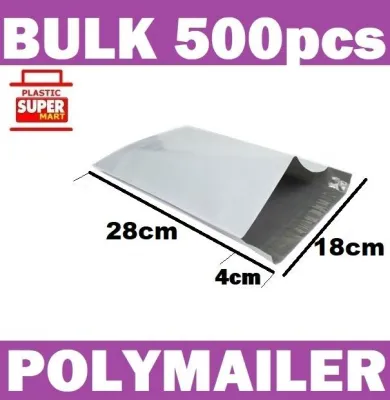
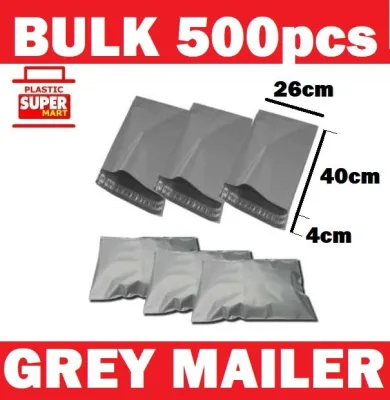
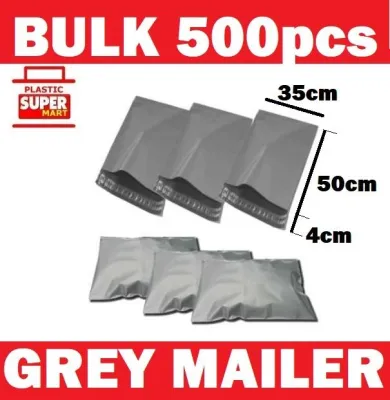
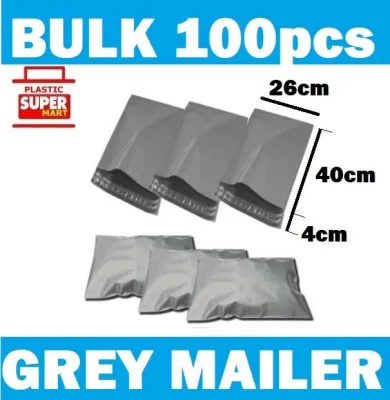
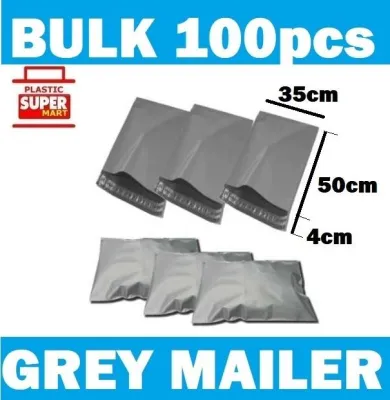
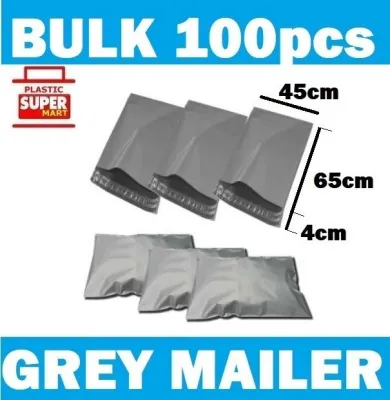
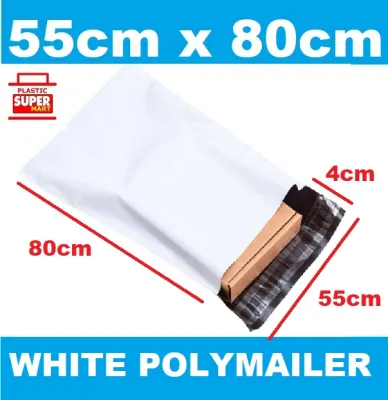
Prices are valid at publication and may change. Please refer to the product page for the latest price.
The DL (Dimension Lengthwise) envelope is another highly common standard, particularly in business correspondence. A DL envelope is designed to hold an A4 sheet that has been folded horizontally into three equal parts. This format is the standard for professional letters, invoices, and statements, offering a sleek, compact presentation that fits easily into standard mailboxes.
Quick Reference: Matching Your Documents to the Right Envelope
To simplify your mailing process, you can use a quick decision matrix to match your specific contents to the correct envelope size. Leaving a small margin of about 2 to 3 millimeters on each side of your document is crucial. This clearance ensures that you can insert and remove the contents smoothly without catching or tearing the edges of the paper.

| Document Type | Paper Size | Folding Method | Recommended Envelope Size |
|---|---|---|---|
| Business Letters & Invoices | A4 | Folded into thirds | DL |
| Certificates & Legal Contracts | A4 | Unfolded (flat) | C4 |
| Greeting Cards & Invitations | A6 (or folded A5) | No fold (or folded once) | C6 |
| Booklets, Newsletters & Catalogs | A5 | Unfolded (flat) | C5 |
| Multi-page Reports & Manuscripts | A4 (thick stack) | Unfolded (flat) | C4 (Gusset/Expandable) |
When mailing multiple pages or thicker items, standard flat envelopes may become too tight. A thick stack of A4 papers increases the overall depth of the document, which pulls the sides of a flat C4 envelope inward and can cause the paper to bend or the seams of the envelope to burst. For thicker documents, consider using a gusset envelope, which features expandable V-shaped sides designed to accommodate depth, or opt for a larger envelope size to allow for the extra volume.
Essential Mailing Checks: Weight, Thickness, and Postal Rules
Beyond dimensions, several physical characteristics of your envelope and its contents affect the success of your mailing. First, consider the paper weight, measured in grams per square meter (GSM). Standard office paper is typically 80 GSM, while premium letterheads or formal documents may use 100 GSM or 120 GSM paper. Heavier paper requires a sturdier envelope to prevent tearing during transit. Additionally, pay attention to opacity; if you are mailing sensitive financial statements or personal letters, choose envelopes with an internal security tint—a printed pattern on the inside that prevents people from reading the contents through the paper when held up to the light.
The sealing mechanism of the envelope is another practical consideration. Gummed envelopes require moisture to activate the adhesive and are highly efficient for high-volume mailings using automated inserting machines. Self-seal envelopes feature two adhesive strips that bond when pressed together; they are convenient for quick manual packing but have a shorter shelf life as the exposed adhesive can dry out over time. Peel-and-seal envelopes include a protective paper strip over the adhesive, offering the longest storage life and a very secure bond, making them ideal for valuable or heavy documents.
Finally, always verify the physical limits set by your local postal service, such as Singapore Post, before sending your mail. Postal services categorize mail not just by weight, but also by thickness and rigidity. For standard letter rates, envelopes must typically remain under a specific thickness threshold (often 6 millimeters) and must be flexible enough to pass through automated sorting machines. If your envelope is too thick, contains rigid items like keys or USB drives, or exceeds weight limits, it may be reclassified as a package. This reclassification can result in significant surcharges, delivery delays, or the mail being returned to the sender.
Frequently Asked Questions (FAQ)
Can I use a C5 envelope for an A4 document if I fold it?
Yes, you can easily use a C5 envelope for an A4 document by folding the paper in half once horizontally. This fold reduces the A4 sheet to A5 dimensions, which fits perfectly inside a C5 envelope. This is an excellent option for multi-page letters or documents with attachments that are too thick to be folded into thirds for a standard DL envelope.
What size envelope do I need for mailing a passport or ID card?
For mailing rigid and highly valuable items like a passport or an ID card, a C6 or C5 padded envelope (often called a bubble mailer) is the safest choice. The padded lining protects the rigid edges of the card or booklet from tearing through standard paper envelopes during automated sorting. To ensure secure delivery, it is highly recommended to use a registered mail service that provides tracking for these sensitive personal documents.

Community discussion
Share your experience or ask a question. Comments are reviewed before publication.