
Finding the right envelope size ensures your documents, invitations, and letters arrive in pristine condition without unnecessary folding or high postage costs. The standard sizing system is designed to match standard paper sizes perfectly, meaning you can easily pair your A4 sheets or custom cards with the correct envelope once you understand the naming conventions. By matching the right envelope to your specific document, you save time, protect your contents, and maintain a professional presentation.
Decoding Standard Envelope Sizes: C-Series and DL
The international standard for envelope sizes is the ISO 269 C-series, which is specifically designed to accommodate A-series paper sizes. Each C-series envelope is slightly larger than its corresponding A-series paper sheet. This geometric relationship ensures that an unfolded piece of paper fits comfortably inside the envelope of the same number. For example, a flat sheet of A4 paper slides perfectly into a C4 envelope without needing any folds.
When you look at the progression of sizes, the dimensions halve as the numbers increase. A C4 envelope is the largest common office size, followed by the C5, which is half the size of a C4. The C6 envelope is smaller still, designed to hold a sheet of paper folded into quarters. Alongside the C-series, the DL (Dimension Lengthwise) envelope is a highly popular format designed specifically for business correspondence, accommodating a sheet folded into thirds.
Products mentioned in this guide
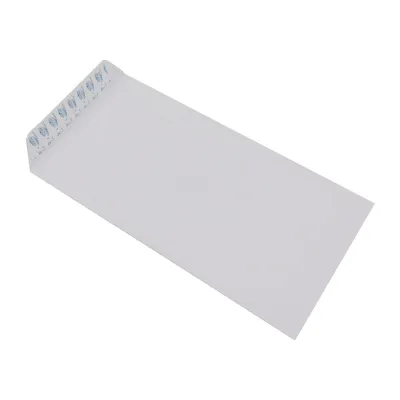
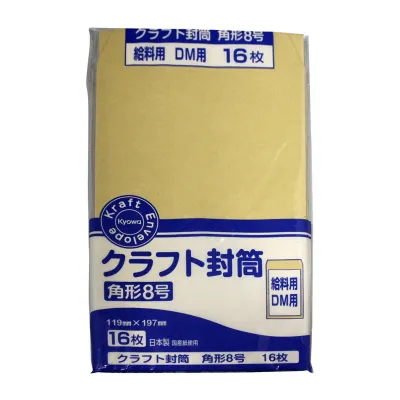
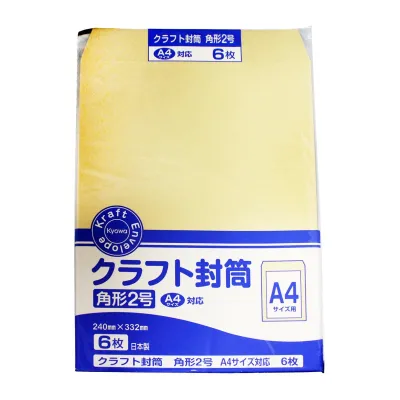
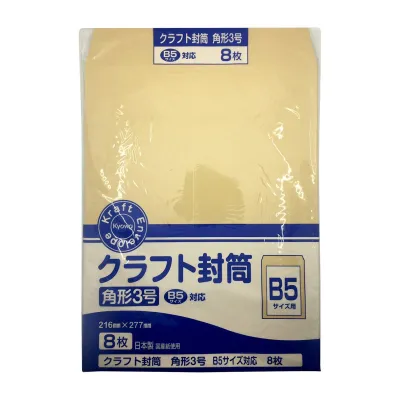
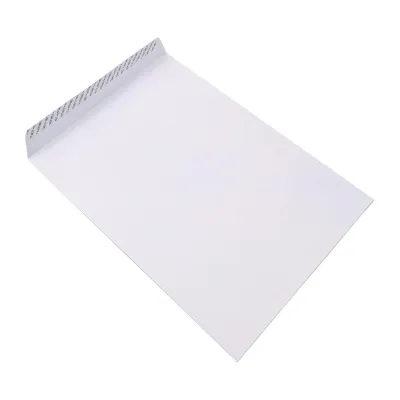
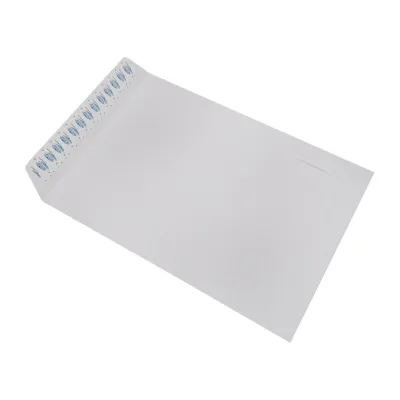
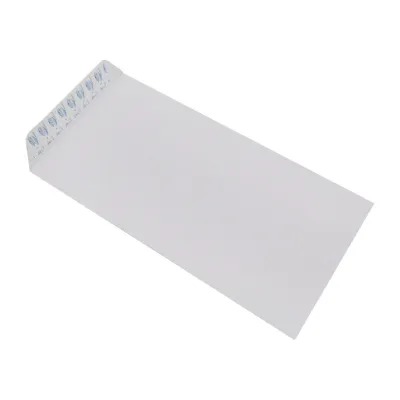
Prices are valid at publication and may change. Please refer to the product page for the latest price.
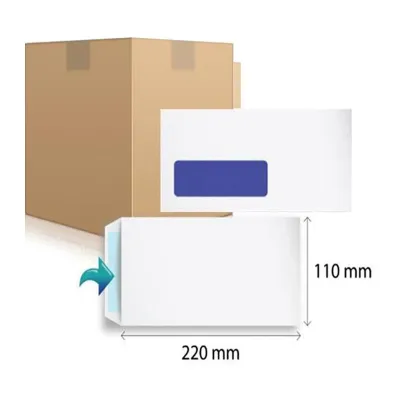
Reading envelope packaging labels correctly helps you avoid purchasing the wrong style. Labels typically display the dimensions in millimeters, along with indicators for orientation, such as pocket (opening on the short edge) or wallet (opening on the long edge). You will also find details regarding window placement, which is crucial if you print addresses directly onto your documents to align with the clear plastic cutout.
Selecting the Right Envelope for A4 Documents
Choosing the correct envelope for an A4 document depends entirely on whether you want to fold the paper. For formal business contracts, certificates, legal documents, or presentations that must remain completely flat, a C4 envelope is the standard choice. Measuring 229 mm by 324 mm, the C4 envelope easily holds a full, unfolded A4 sheet with enough clearance to prevent the edges from crumpling during transit.

If you prefer a more compact package and do not mind a single fold, the C5 envelope is the ideal option. Measuring 162 mm by 229 mm, a C5 envelope is designed to hold an A4 sheet folded neatly in half, or an unfolded A5 sheet. This format is widely used for standard business mailings, multi-page letters, and invoices, offering a professional look while keeping the overall package size manageable.
For everyday correspondence, bills, and marketing letters, folding your A4 document into thirds allows it to fit into a DL envelope. Measuring 110 mm by 220 mm, the DL envelope is the standard choice for automated mailing systems. When using a windowed DL envelope, you must ensure your document’s address block is printed in the correct position so it aligns perfectly with the window after folding.
Sizing Envelopes for Standard Letters and Invitations
Personal letters, greeting cards, and event invitations often require smaller, more intimate envelope sizes than standard business mail. The C6 envelope, measuring 114 mm by 162 mm, is a classic choice for personal correspondence. It perfectly fits an A4 sheet folded into quarters, an A5 sheet folded in half, or an unfolded A6 card, making it highly versatile for thank-you notes and holiday cards.
When dealing with custom invitations, square envelopes are a popular alternative, though they require careful consideration. Square cards do not follow the standard C-series proportions, so you must purchase envelopes specifically manufactured for square dimensions, ensuring at least a few millimeters of clearance on all sides. Be aware that square mail may also be subject to different handling rules or rates by your local postal service due to automated sorting limitations.
Paper thickness and stiffness play a critical role in how easily a card slides into its envelope. Heavy cardstock, embossed designs, or multi-layered invitations take up more physical volume than a single sheet of standard printer paper. If your invitation is thick or features embellishments like ribbons or wax seals, you will need to select an envelope that is slightly larger than the standard recommendation to prevent the edges from bending or tearing.
How to Measure and Verify Envelope Fit Before Mailing
Before sealing and posting your mail, taking a moment to physically verify the fit can save you from costly mailing mistakes. Start by measuring the maximum width, length, and thickness of your document or card. Compare these measurements to the internal usable space of the envelope rather than the external dimensions listed on the packaging, as seams and gummed flaps reduce the actual room inside.
You must also consider the thickness and weight limits set by your local postal service, as these factors determine your postage costs. In Singapore, for instance, exceeding the standard thickness limit for a basic letter can push your mail into a higher postage tier, requiring additional stamps. Keeping your envelope flat and within the standard thickness guidelines ensures you pay the lowest possible rate.
To guarantee a smooth mailing process, always test the fit with a dummy item or a single sample before preparing a large batch of mail. Slide the document into the envelope to ensure it glides in easily without requiring force, and check that the flap closes completely flat without bulging. If the paper tightens against the seams or causes the envelope to warp, upgrading to the next size up is the safest choice.
Frequently Asked Questions (FAQ)
What is the difference between C5 and C6 envelopes?
A C5 envelope is larger, measuring 162 mm by 229 mm, and is designed to hold an A4 sheet folded once in half or an unfolded A5 sheet. A C6 envelope is smaller, measuring 114 mm by 162 mm, and fits an A4 sheet folded twice into quarters or an unfolded A6 card.
Can I use a C4 envelope for standard letter postage?
While you can use a C4 envelope, it typically does not qualify for standard basic letter postage rates due to its large physical dimensions. Because it exceeds standard letter size limits, it is usually classified under a higher postage tier, such as a large letter or package rate, depending on local postal guidelines.
How much extra space should I leave inside an envelope?
You should ideally leave a margin of at least 5 mm to 10 mm of clearance around the edges of your document. This extra space allows the item to slide in easily without catching on the seams, and accommodates the extra thickness of multi-page documents or heavy cardstock.

Community discussion
Share your experience or ask a question. Comments are reviewed before publication.