
Embroidered patches are composite textile creations made primarily of a base fabric, embroidery threads, and a backing stabilizer or adhesive layer. The quality of these individual components determines how well a patch holds its shape, resists fading, and withstands washing over time. Understanding these materials helps you select the right patch for your specific project, whether you are embellishing a delicate cotton shirt, customizing a heavy canvas backpack, or sourcing durable branding for workwear.
By evaluating the physical properties of the base fabrics, the durability of the threads, and the integrity of the borders, you can easily distinguish a premium patch from one that will quickly fray or peel. This guide breaks down the essential materials used in patch manufacturing and provides a practical checklist to assess quality before you buy.
Base Fabrics: Choosing the Right Foundation
The base fabric, or substrate, is the canvas upon which the embroidery is stitched. It provides the structural integrity of the patch and determines how the finished piece will drape, wear, and age. Choosing the wrong base fabric can lead to puckering, fraying, or a patch that is too heavy for its target garment.
Products mentioned in this guide
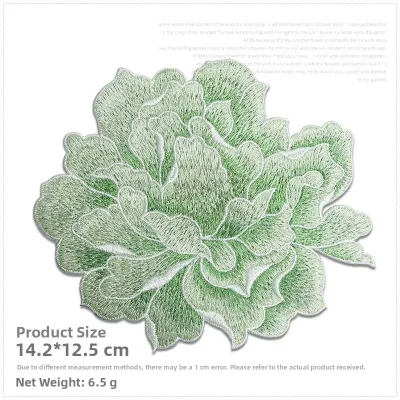
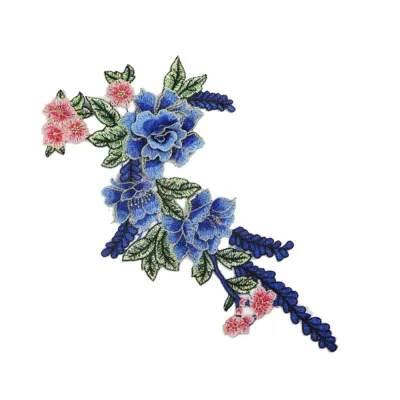
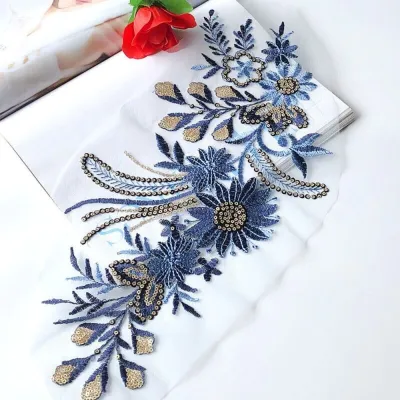
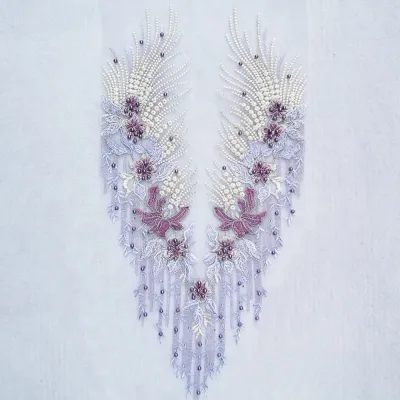
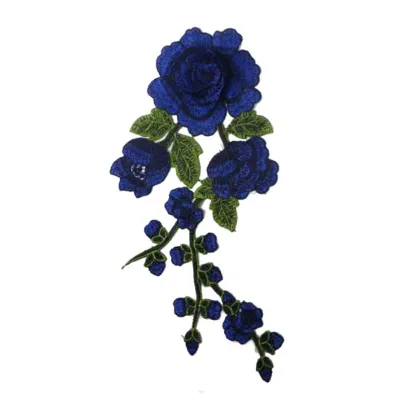
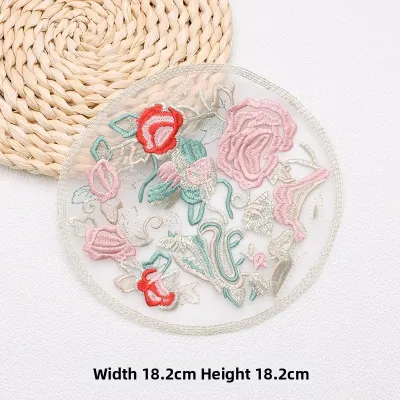
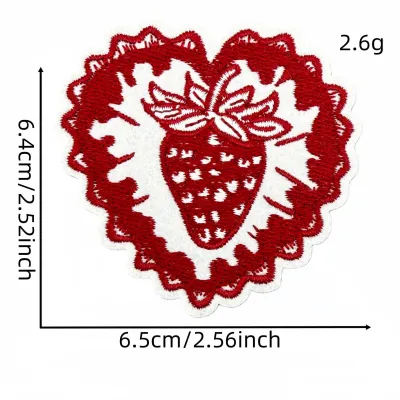
Prices are valid at publication and may change. Please refer to the product page for the latest price.
Twill
Polyester-cotton blend twill is the industry standard for embroidered patches. Characterized by its distinct diagonal parallel ribs, twill offers a smooth, stable surface that allows embroidery needles to pass through cleanly. Because it is tightly woven, twill resists fraying at the edges and can support high-density stitching without warping. It is highly durable, making it the ideal choice for uniform patches, sports gear, and everyday apparel.
Felt
Felt is a non-woven fabric produced by matting, condensing, and pressing fibers together. It has a soft, fuzzy texture and a matte finish that gives patches a classic, vintage appearance. Because felt does not have a warp or weft, its edges do not fray when cut, which allows for clean, borderless designs. However, felt has lower structural strength than woven fabrics and can stretch or pill over time, making it best suited for low-wear items, decorative crafts, or retro varsity jackets.
Canvas and Denim
For heavy-duty applications, canvas and denim are excellent base choices. Canvas is a plain-woven cotton or synthetic fabric known for being extremely rugged and weather-resistant. It provides a textured, rustic background that pairs well with outdoor gear and workwear. Denim offers a similar level of durability with a casual, stylish aesthetic. Both fabrics are thick and heavy, meaning they require robust needles and high-tension stitching to prevent the fabric from shifting during the embroidery process.
Fabric Weight and Stitch Density
The relationship between fabric weight and stitch density is critical to patch quality. High stitch density—where threads are packed tightly together to cover the base fabric completely—requires a heavy, stable substrate like twill or canvas. If a high-density design is stitched onto a lightweight or loosely woven fabric, the tension of the threads will pull the fabric inward, causing unsightly puckering and warping. Quality patches balance the weight of the base fabric with the complexity of the embroidery design to ensure the finished piece lies perfectly flat.
Embroidery Threads: Balancing Shine and Durability
Once the base fabric is selected, the embroidery thread defines the visual appeal and longevity of the design. The choice of thread material affects how the patch reacts to sunlight, washing, and physical wear.

Polyester Threads
Polyester is the most popular thread choice for modern embroidered patches due to its exceptional strength and resilience. It is highly resistant to abrasion, chemical detergents, and UV bleaching, meaning the colors will remain vibrant even after repeated washes and exposure to sunlight. Polyester thread is the standard choice for industrial uniforms, outdoor gear, and children’s clothing where durability is the primary concern.
Rayon Threads
Rayon is a semi-synthetic fiber made from regenerated cellulose. It is prized in the embroidery industry for its high luster, silk-like sheen, and soft texture. Rayon threads reflect light beautifully, giving designs a rich, high-end appearance with deep color gradients. However, rayon is significantly weaker than polyester, especially when wet, and is susceptible to damage from bleach and harsh laundering. It is best reserved for fashion garments, delicate accessories, and decorative patches that will not undergo heavy laundering.
Metallic and Specialty Threads
Metallic threads, often constructed with a polyester core wrapped in thin metallic foil, add a striking sparkle to patches. While visually impressive, metallic threads are stiff, prone to breaking during production, and can feel scratchy against the skin. Other specialty options include glow-in-the-dark threads and color-changing photochromic threads. These specialty materials require gentle care, as high heat and friction can degrade their unique properties.
Thread Weight and Detail Resolution
Thread thickness is measured by weight; a higher weight number indicates a thinner thread. Standard embroidery typically uses 40-weight thread, which strikes an excellent balance between coverage and detail. For intricate designs with tiny text or complex shading, manufacturers may use finer 60-weight threads. Using fine threads allows for sharp, legible details, but it requires precise calibration of the embroidery machines to prevent thread breakage and maintain consistent tension.
Borders and Backings: Ensuring Clean Edges and Secure Attachment
The edges and backing of a patch are just as important as the face design. They determine how the patch is applied to a surface and how well it resists wear and tear at its most vulnerable points.
Border Styles: Merrowed vs. Laser-Cut
The border seals the edges of the patch to prevent the base fabric from fraying. A merrowed border is a classic, thick, overlocked stitch that wraps around the edge of the patch, creating a raised, rounded border. It is incredibly durable but is limited to simple geometric shapes like circles, rectangles, and shields. For complex, custom shapes, a hot-cut or laser-cut border is used. This method uses heat to melt and seal the synthetic fibers of the base fabric and thread, creating a clean, flat edge that matches the exact contour of the design.
Backing Options and Fabric Compatibility
The backing stabilizer provides structural support and dictates the application method:
- Sew-on Backing: Often a simple paper or thin plastic stabilizer. It leaves the patch flexible and is the most reliable, permanent attachment method for all fabric types, especially those that cannot tolerate heat.
- Iron-on (Heat-Seal) Backing: Coated with a dry adhesive film that melts when heated with an iron or heat press. It is highly convenient but works best on smooth, heat-resistant fabrics like cotton and denim. It may not adhere well to nylon, polyester, or waterproof-treated materials.
- Hook-and-Loop Backing: Features a hook side sewn onto the back of the patch, which attaches to a loop side sewn onto the garment. This is ideal for tactical gear, uniforms, and bags where patches need to be swapped out frequently.
Verifying Border and Adhesive Quality
When evaluating a patch, run your fingers along the border. A quality merrowed border should feel tight, uniform, and free of gaps. For laser-cut borders, check for a smooth seal; rough, sharp, or charred edges indicate that the cutting temperature was too high or the synthetic fibers were not melted cleanly. For iron-on patches, ensure the adhesive layer is applied evenly across the entire back of the patch, right up to the very edge, to prevent the corners from peeling after application.
A Buyer’s Checklist for Assessing Patch Quality
Before purchasing embroidered patches in bulk or selecting them for a project, use this practical checklist to verify their craftsmanship and material quality:
- Perform the Light Test: Hold the patch up to a bright light source. If you can see light passing through the embroidered areas, or if the base fabric is visible beneath sections that should be fully covered, the stitch density is too low. High-quality patches feature dense, opaque stitching.
- Inspect the Stitch Alignment: Look closely at the boundaries between different colors and the outlines of the design. The stitches should align perfectly without gaps, overlapping errors, or loose thread loops.
- Check for Fraying and Loose Ends: Examine both the front and back of the patch. There should be no loose threads, uncut jump stitches, or fraying fibers extending from the borders.
- Evaluate the Stiffness and Drape: Bend the patch gently. The stiffness of the backing stabilizer should match the weight of the garment. A very stiff patch will cause a lightweight t-shirt to sag and pucker, while a patch that is too soft may warp and wrinkle on a heavy canvas bag.
- Verify the Border Seal: Ensure the border is completely secure. On merrowed borders, check that the tail thread is tucked in and glued down. On heat-cut borders, ensure there are no loose threads peeking out from the sealed edge.
Frequently Asked Questions (FAQ)
Can I wash embroidered patches without damaging the threads?
Yes, embroidered patches can be washed, but the care instructions depend on the materials used. Patches made with polyester threads are highly durable and can withstand standard machine washing and tumble drying. If the patch features rayon or metallic threads, it should be washed on a gentle cycle in cool water and air-dried to prevent fiber breakage and loss of sheen. For iron-on patches, avoid high-temperature washing and drying, as excessive heat can reactivate and weaken the adhesive, causing the patch to peel.
Why do some patches feel stiff while others are flexible?
Patch stiffness is determined by the thickness of the base fabric, the density of the embroidery stitches, and the type of backing stabilizer used. Heavy-duty patches designed for bags, jackets, or uniforms use thick stabilizers and dense stitching to maintain a flat, rigid shape. Conversely, patches designed for lightweight apparel use thinner base fabrics, lower stitch densities, and flexible sew-on backings to allow the patch to drape naturally with the movement of the garment.
Are eco-friendly materials available for embroidered patches?
Yes, sustainable options are becoming increasingly common in patch manufacturing. You can find patches made with recycled polyester threads, which are typically sourced from post-consumer plastic bottles. Additionally, organic cotton, recycled canvas, or hemp can be used as the base fabric. When sourcing eco-friendly patches, always request material specifications from the manufacturer to verify their environmental certifications and ensure that the recycled fibers meet your standards for colorfastness and durability.

Community discussion
Share your experience or ask a question. Comments are reviewed before publication.