
Evaluating how Ella Diaries compares to other popular notebook brands requires looking closely at paper specifications, binding styles, and your choice of writing instruments. Because paper performance is highly dependent on the interaction between ink chemistry and fiber density, there is no single notebook that excels for every user. In Singapore’s humid climate, paper can also absorb ambient moisture over time, which directly impacts ink drying times and feathering. To find the most suitable option for your daily journaling, planning, or sketching, you must evaluate key paper metrics, verify specific product details, and match them to your preferred pens.
Key Metrics for Evaluating Notebook Paper Quality
To objectively compare notebook brands, you must look beyond marketing terms like “premium” or “luxury” and focus on measurable paper characteristics. The most common metric is paper weight, measured in grams per square meter (GSM). While GSM indicates the weight of the paper, it does not always correlate directly with thickness, stiffness, or opacity. A highly compressed 80 GSM paper can feel thinner and stiffer than a high-bulk 80 GSM paper, yet it may offer better resistance to ink penetration due to denser fiber packing.
Another critical distinction is the difference between bleed-through and ghosting. Bleed-through occurs when ink completely penetrates the paper fibers, showing through as wet spots or actual ink transfer on the reverse side of the page. Ghosting, or shadowing, occurs when the paper is thin or translucent enough that you can see the outline of the writing on the other side, even though the ink has not physically broken through the surface. Minimizing ghosting requires higher paper opacity, which is achieved through greater thickness, specific fiber blends, or the addition of mineral fillers during manufacturing.
Products mentioned in this guide
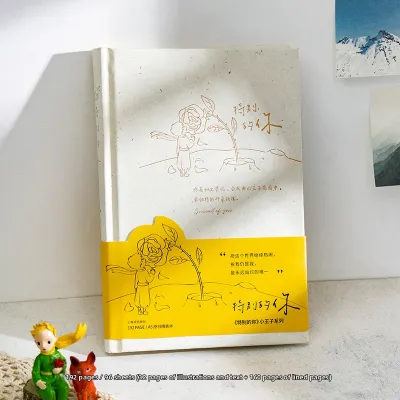
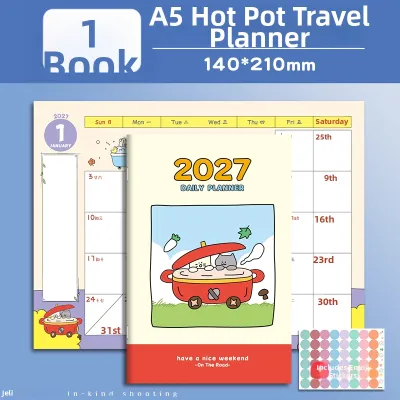

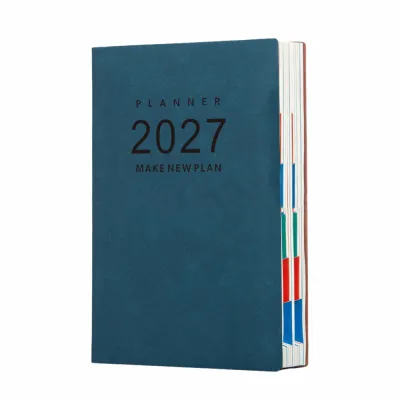
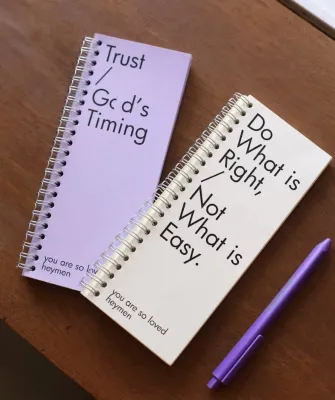
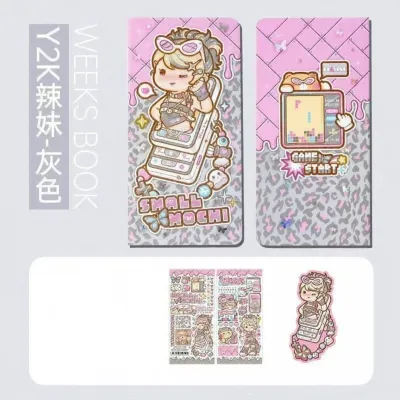
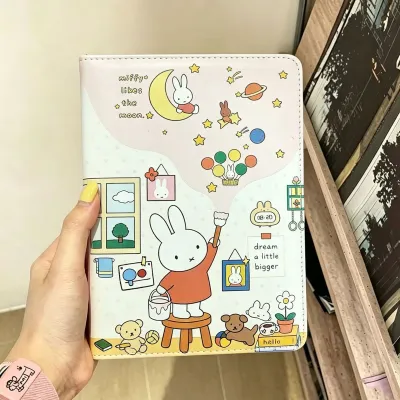
Prices are valid at publication and may change. Please refer to the product page for the latest price.
The surface treatment of the paper—specifically sizing, coating, and tooth—determines how your pen behaves. Sizing refers to chemicals added during papermaking to regulate water absorption; highly sized paper resists ink penetration, preventing feathering (where ink spreads sideways along the fibers) but increasing drying times. Coated papers offer an ultra-smooth surface that makes colors pop, though they can feel slippery and cause gel or fountain pen inks to smudge. Uncoated papers with a slight “tooth” or texture provide tactile feedback that many writers prefer, especially when using pencils, ballpoints, or fineliners.
How to Verify Ella Diaries Paper Specifications
Before purchasing an Ella Diaries notebook, it is essential to locate and verify its specific paper specifications, as product lines can vary. You can typically find GSM ratings, page counts, and paper tones on the product packaging, official brand websites, or detailed listings on local e-commerce platforms. Because Ella Diaries often designs notebooks with vibrant, creative layouts, the paper stock is selected to balance durability with visual appeal.

Pay close attention to the paper tone, which generally ranges from bright white to warm cream. Bright white paper provides high contrast for colorful inks and markers, but it can cause eye strain during long writing sessions under bright study lights. Cream or off-white paper absorbs more light, offering a softer reading experience that is gentler on the eyes, though it may slightly alter the perceived color of pastel or light-colored inks.
The binding style of the notebook is another crucial factor that affects your writing comfort and the usable surface area. Lay-flat bindings, such as thread-bound or section-sewn spines, allow the notebook to open completely flat on your desk, giving you full access to the page near the center gutter without having to hold the pages down. Spiral or wire-bound options also lay flat and allow you to fold the notebook back on itself, which is highly convenient for quick note-taking in tight spaces, though the metal coils can sometimes interfere with your hand placement depending on whether you are left- or right-handed.
Comparing Ella Diaries with Popular Alternatives by Pen Type
Different writing instruments demand different paper characteristics, making a conditional comparison essential when weighing Ella Diaries against other popular stationery brands.
For fountain pens and wet gel inks, the primary challenge is managing absorbency and drying times. If you use fine or medium fountain pen nibs, you need paper with excellent sizing to prevent the ink from feathering into fuzzy lines. If the paper is too absorbent, wet inks will quickly bleed through to the next page. Conversely, highly coated, non-absorbent papers will keep your lines crisp but may require you to wait several minutes or use blotting paper to prevent smudging, especially in Singapore’s humid air.
If your daily writing relies on standard ballpoint pens or fine-tip fineliners, your main priority is surface texture and smoothness. Ballpoint pens require a certain amount of friction or “tooth” to make the tiny ball bearing roll smoothly and release ink consistently. On paper that is too slick, a ballpoint may skip or feel greasy. Fineliners, which use delicate felt or plastic tips, can wear down quickly or feel scratchy on rough, low-quality paper, meaning they perform best on smooth, uniform surfaces that allow for effortless gliding.
For those who use creative tools like water-based markers, brush pens, or highlighters, paper weight and coating become the deciding factors. Standard notebook paper ranging from 70 GSM to 90 GSM will almost certainly show significant ghosting, and often full bleed-through, when subjected to multiple layers of marker ink. To prevent this, you should look for notebooks featuring heavy-duty paper stocks of 120 GSM to 160 GSM, or papers specifically coated to resist water-based pigments, ensuring your artistic layouts do not ruin the reverse side of the page.
To verify how any notebook performs with your specific stationery collection, you can conduct a simple, low-risk swatch test. On a back page or an inconspicuous corner of the notebook, write a few sample lines using your wettest fountain pens, gel pens, and markers, applying normal writing pressure. Allow the ink to dry completely, noting the drying time, and then turn the page to inspect for any signs of feathering, ghosting, or physical bleed-through. This hands-on test provides immediate, reliable proof of compatibility before you commit to using the notebook for major projects.
Assessing Price-to-Value: Finding the Best Notebook Deal
To determine whether Ella Diaries or an alternative brand offers the optimal value for your budget, you should look past the initial retail price and calculate the cost-per-use. A simple way to normalize comparisons across different sizes and brands is to calculate the cost per page or cost per 100 sheets. For example, a notebook priced at S$18 with 160 pages may actually offer better long-term value than a S$12 notebook that only contains 80 pages, provided the paper quality meets your writing standards.
Beyond the paper itself, you must evaluate the overall construction and durability of the notebook. A sturdy hardcover, reinforced corners, and a robust binding ensure that the notebook can survive daily transit in a backpack or tote bag without falling apart. If a cheap notebook has poor binding that drops pages after a few weeks of use, the low initial price is quickly offset by the inconvenience of losing your notes.
Premium pricing is generally justified when a notebook utilizes specialized paper treatments, such as acid-free archival paper that resists yellowing over decades, or proprietary coatings designed specifically for fountain pen enthusiasts. If your daily writing consists of quick, disposable lists using standard ballpoint pens, a standard mass-market notebook with basic paper will serve you perfectly well without the need to pay a premium for high-end paper specifications.
Final Decision Framework: Which Notebook Fits Your Needs?
Choosing between Ella Diaries and other popular notebook brands comes down to matching your specific writing habits, aesthetic preferences, and functional requirements to the right product specifications.
You should choose Ella Diaries if you appreciate creative, visually engaging layouts and find that their verified paper specifications—such as GSM and page count—perfectly accommodate your everyday writing tools like ballpoints, gel pens, and light highlighters. Their designs often provide an inspiring backdrop for daily journaling, planning, and creative writing where standard, plain paper might feel uninspiring.
On the other hand, you should look toward alternative popular brands if your work demands highly specialized paper characteristics. This includes scenarios where you regularly use wet fountain pens with broad nibs, heavy alcohol-based markers, or mixed media that require ultra-thick 160 GSM paper or specialized coated stocks. Additionally, if you require specific technical formats, such as precise engineering grids or specialized refillable binder systems, alternative brands dedicated to those niches will be a better fit.
If you are purchasing your notebooks online without the opportunity to physically feel the paper or test your pens in a local shop, always take a moment to review the seller’s return policy. Many stationery retailers have strict guidelines regarding returned items, often requiring the notebook to remain in its original, unopened shrink-wrap. Verifying the listed paper specifications carefully before clicking buy will help ensure you receive a notebook that delivers a smooth, enjoyable writing experience from the very first page.
Frequently Asked Questions (FAQ)
Does higher GSM always mean better paper quality?
No, a higher GSM rating does not automatically guarantee a superior writing experience. While a higher GSM indicates heavier, thicker paper that is excellent for reducing ghosting and preventing bleed-through, it also makes the notebook bulkier and heavier to carry around. The overall quality of the paper depends heavily on other manufacturing factors, such as the quality of the wood pulp, the presence of surface coatings, and the sizing treatments used. A well-engineered 80 GSM paper with proper sizing can easily outperform a cheap, poorly treated 120 GSM paper when it comes to preventing ink feathering and ensuring a smooth, scratch-free glide.
How can I test a notebook for bleed resistance before buying in bulk?
The safest way to test a notebook’s bleed resistance before making a bulk purchase is to buy a single unit to use as a test sample. If you are shopping in a physical stationery store, look for open display models or ask the staff if they have paper samples available for testing. When conducting your test, use the exact pens, ink colors, and writing pressure you plan to use daily, as even minor variations in ink flow can affect how the paper responds. If physical testing is not possible, search online community forums and stationery blogs for user-submitted pen tests of that specific notebook model to see how it handles various ink types.

Community discussion
Share your experience or ask a question. Comments are reviewed before publication.