
Quick Answer: Finding the Right Paper Quality for Your Setup
The ideal paper quality for bullet journaling depends entirely on your preferred writing instruments and how you plan to use your notebook. There is no single brand that universally outperforms all others because paper performance is a direct trade-off between ink compatibility, thickness, and portability.
Thicker paper (typically 120 to 160 GSM) excels at preventing ink bleed-through and ghosting, making it perfect for heavy markers and fountain pens, but it results in a bulkier, heavier notebook. Conversely, thinner, highly sized paper (around 68 to 80 GSM) offers a lightweight profile and excellent ink shading but requires longer drying times and may show ghosting on the reverse side.
To find your perfect match, look past brand marketing and evaluate the specific paper weight, surface coating, and binding style against your daily pen selection.
Products mentioned in this guide
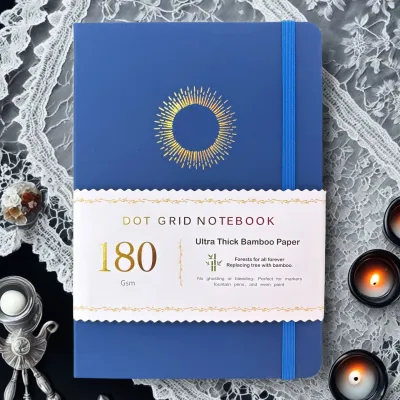
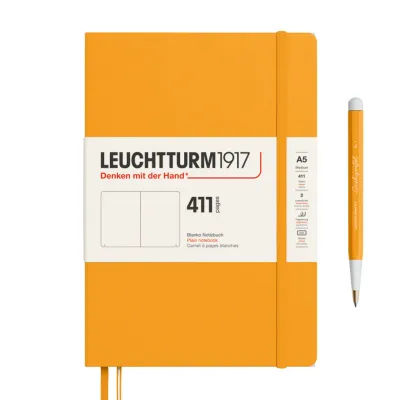
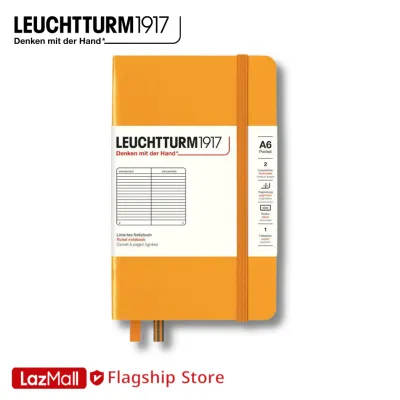
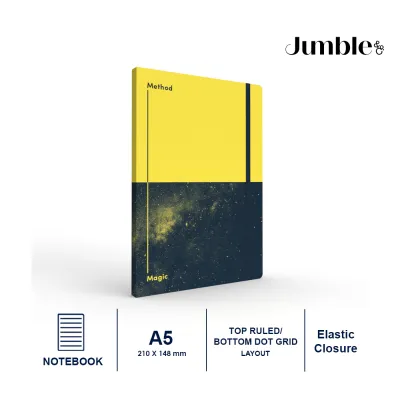
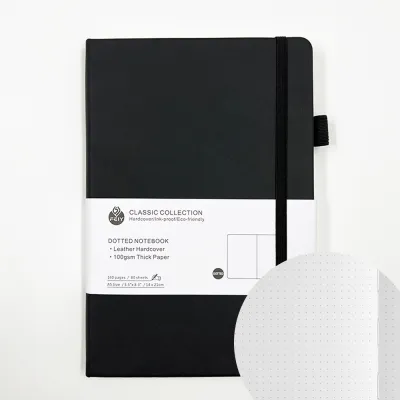
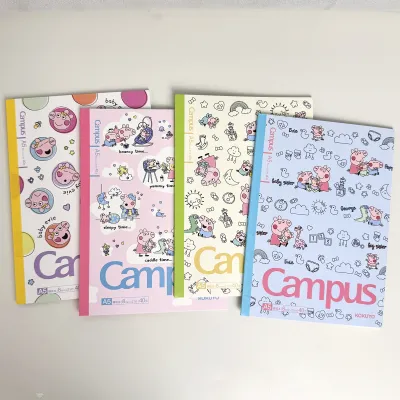
Prices are valid at publication and may change. Please refer to the product page for the latest price.
How to Evaluate Paper Quality for Bullet Journaling
To make an informed choice, you must understand the technical specifications that dictate how paper behaves under different inks.

Paper Weight (GSM)
Grams per square meter (GSM) measures the density and weight of the paper. For bullet journaling, paper typically ranges from 68 GSM to 160 GSM. Lower weights (68 to 80 GSM) are highly portable and allow for high page counts in a slim profile, though they often exhibit “ghosting”—where writing is visible as a shadow on the back of the page. Medium weights (90 to 100 GSM) offer a balanced compromise for everyday gel pens. Heavyweight papers (120 to 160 GSM) act almost like cardstock, virtually eliminating ghosting and bleed-through even when using wet media.
Paper Coating and Sizing
Sizing refers to chemical additives applied during manufacturing to control how much liquid the paper absorbs. Uncoated, unsized paper acts like a sponge, causing ink to spread out (feathering) and bleed through to the other side. Highly sized or coated papers keep the ink on the surface, preserving sharp lines and vibrant colors, though this increases the time required for the ink to dry completely.
Dot Grid Precision
The standard dot grid spacing for bullet journaling is 5mm, which provides a clean guide for both writing and drawing. However, the visual intensity of the dots varies significantly between manufacturers. Look for faint, light-grey dots that recede into the background once you write over them, rather than dark, heavy dots that compete with your layouts.
Binding and Lay-Flat Ability
A notebook that refuses to stay open flat makes journaling near the center margin (the gutter) frustrating. Thread-bound notebooks with exposed or flexible spines generally lay completely flat, allowing you to draw continuous lines across a two-page spread. Spiral-bound options also lay flat but introduce a physical barrier in the middle of your layout.
Comparing Popular Dotted Notebook Brands by Specification
When shopping for a dotted notebook in Singapore, you will generally encounter three distinct categories of paper quality. Understanding these categories helps you narrow down your choices based on your specific writing habits.
Lightweight, High-Sizing Paper (68 GSM – 80 GSM)
These notebooks prioritize a slim profile and a high page count, often offering 200 to 400 pages in a single compact volume. The paper is exceptionally smooth and treated with specialized sizing that prevents fountain pen ink from feathering or bleeding, despite the thinness of the sheet. The primary trade-off is ghosting; while the ink will not physically break through the fibers, you will clearly see the outline of your writing on the reverse side. This category is highly favored by fountain pen enthusiasts who appreciate how the paper brings out ink shading and sheen.
Medium-Weight Balanced Paper (80 GSM – 120 GSM)
This is the most common category found in standard stationery stores and online marketplaces. These notebooks balance portability with opacity. With a typical page count of 120 to 250 pages, they handle standard gel pens, ballpoints, and mild highlighters with minimal ghosting. While heavy fountain pens or wet markers may occasionally bleed through, everyday writing instruments perform reliably with relatively fast drying times.
Heavyweight Art-Grade Paper (120 GSM – 160 GSM)
Designed for bullet journalers who incorporate heavy illustrations, watercolor washes, brush lettering, and alcohol-based markers. These notebooks feature thick, dense pages that completely block ink from showing through on the other side. Because the paper is so thick, these notebooks are physically heavier and usually contain fewer pages (typically 110 to 160 pages) to keep the book portable. The surface texture can range from ultra-smooth to slightly textured (toothed), depending on the brand.
| Paper Category | Typical GSM Range | Page Count Range | Best Suited For | Key Trade-off |
|---|---|---|---|---|
| Lightweight High-Sizing | 68 – 80 GSM | 240 – 400 pages | Fountain pens, fine gel pens, high portability | High page ghosting |
| Medium-Weight Balanced | 80 – 120 GSM | 160 – 250 pages | Everyday gel pens, ballpoints, mild highlighters | Moderate ghosting with wet inks |
| Heavyweight Art-Grade | 120 – 160 GSM | 110 – 160 pages | Brush pens, markers, light watercolor, zero ghosting | Bulky notebook, lower page count |
Matching Your Pens and Inks to the Right Paper
The interaction between your writing instrument and the paper surface determines your overall journaling experience.
Gel and Rollerball Pens
Gel pens rely on water-based suspended pigment inks that flow smoothly onto the page. They perform exceptionally well on medium-weight, moderately coated paper. If the paper is too heavily coated, the gel ink will sit on top of the surface and smudge easily when you turn the page. For standard gel pens, a 90 to 100 GSM paper offers the ideal balance of quick absorption and minimal ghosting.
Fountain Pens
Fountain pens require paper with high-quality sizing to prevent the liquid ink from spreading along the paper fibers (feathering). Look for specialized lightweight or medium-weight papers that explicitly state they are fountain pen friendly. Avoid highly absorbent, unsized papers, as they will cause fine nibs to write like medium nibs and bleed through instantly.
Fineliners and Markers
Fineliners and water-based brush markers deposit a significant volume of ink onto the page. To prevent this ink from soaking through to the next sheet, you should opt for paper that is at least 120 GSM, though 160 GSM is highly recommended if you plan to layer colors or use dark shades. Alcohol-based markers are highly penetrative and will bleed through almost any standard notebook paper; if you use them, always place a protective sheet behind your page.
Pencils and Erasable Pens
If you prefer sketching your layouts in pencil first, look for paper with a slight texture, often referred to as “tooth.” This texture helps shave off graphite from the pencil tip, resulting in clearer lines. For erasable gel pens, ensure the paper is sturdy enough (at least 100 GSM) to withstand the friction of the rubber eraser without wrinkling or tearing.
Decision Framework: Choosing the Right Dotted Notebook
To select the right dotted notebook from a local stationery shop or an online marketplace in Singapore, use this structured decision framework based on your primary writing style.
Choose Smooth, Standard GSM Brands (68 – 100 GSM) if:
- You primarily write with fine gel pens, ballpoints, or pencils.
- You carry your notebook daily in a bag and prioritize a lightweight, slim profile.
- You want a high page count to last an entire year in a single volume.
- You do not mind mild ghosting on the back of your pages.
Choose Thick, High GSM Brands (120 – 160 GSM) if:
- You use heavy brush pens, wet highlighters, or art markers.
- You absolutely dislike ghosting and want clean, blank back pages for every layout.
- You enjoy pasting photos, stickers, or heavy ephemera into your journal.
- You do not mind a heavier notebook with a lower overall page count.
Choose Textured, Specific Coating Brands if:
- You prefer tactile feedback (a slight "scratchy" feel) while writing rather than a slippery, ultra-smooth surface.
- You use specific fountain pen inks and want to highlight their unique shading properties.
Verify First if:
- You plan to use mixed media, such as watercolors or heavy acrylic paint pens. Always test a single page at the back of the notebook or consult the manufacturer's compatibility guides before starting your main layouts.
Frequently Asked Questions (FAQ)
Does higher GSM always mean better paper for bullet journaling?
No, a higher GSM does not automatically guarantee a superior writing experience. While a higher GSM prevents ink from bleeding through, the actual performance depends heavily on the paper’s sizing and fiber composition. A high-quality 80 GSM paper with excellent surface sizing can handle fountain pen ink beautifully without feathering, whereas a poorly sized 120 GSM paper might absorb ink too quickly, causing lines to blur and spread. Choose your paper based on both weight and surface treatment rather than weight alone.
How can I test a new dotted notebook for ink compatibility?
To safely test your pens, use the very last page of the notebook as a dedicated pen test page. Write small samples with each of your favorite pens, highlighters, and markers, noting the drying time for each. Once finished, turn the page to inspect the back for ghosting (translucency) and bleed-through (ink physically soaking through the fibers). To protect the subsequent pages during this test, place a thick sheet of scrap paper or a plastic pencil board directly underneath the test page.
Why do the dots in my notebook smudge when I use highlighters?
This smudging occurs because of a chemical interaction between the highlighter ink and the ink used to print the dot grid. Many notebook manufacturers print the dot grid using water-soluble inks. When you run a wet, water-based highlighter over the dots, it reactivates the printed ink, causing it to smear across the page. To prevent this, try using mild, pigment-based highlighters, apply them with a very light touch, or draw your highlighted areas first and write or dot over them once dry.

Community discussion
Share your experience or ask a question. Comments are reviewed before publication.