
No, you do not strictly need a sewing machine to repair a broken zipper. Deciding whether to purchase one depends on your repair frequency, the types of garments you wear, and your interest in broader clothing maintenance. Many common zipper issues do not require any sewing at all, while others can be resolved with a simple hand-sewing needle and thread. However, if you frequently find yourself dealing with split seams on heavy jackets or want to take control of your household’s clothing alterations, investing in a sewing machine might be a practical step. This guide will help you assess your needs so you can make an informed decision without spending money on unnecessary equipment.
Assess Your Zipper Repair Frequency and Garment Types
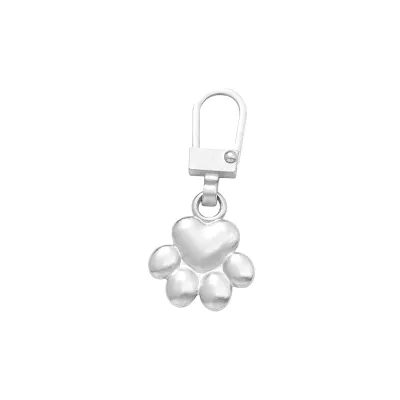
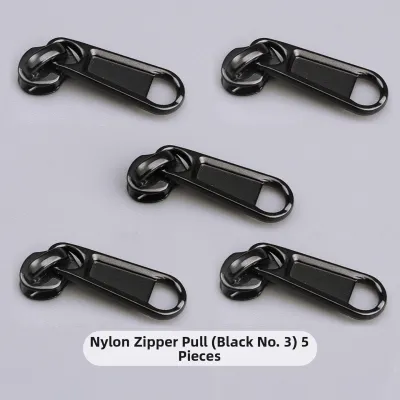
Before looking at sewing machines, it is essential to diagnose the exact nature of your zipper issues. Many common malfunctions do not actually require stitching or replacing the entire zipper tape. For instance, if a zipper slider has slipped off the track, or if the teeth fail to close properly, the problem is often a worn-out slider rather than damaged fabric. In these cases, you can easily replace the slider or tighten it gently with a pair of pliers, completely bypassing the need for any sewing tools. Similarly, a broken top stop can be replaced with a simple metal crimp using basic hand tools.
If the zipper tape itself is torn, or if teeth are missing from the middle of the track, a full replacement is necessary. This is where you must evaluate how often these issues occur in your household. If you only encounter a broken zipper once or twice a year, buying a machine is rarely justified. On the other hand, if you have active children, outdoor enthusiasts, or a large household where bags, jackets, and trousers regularly suffer from damaged zippers, the cumulative need for repairs might warrant a more efficient solution.
Products mentioned in this guide
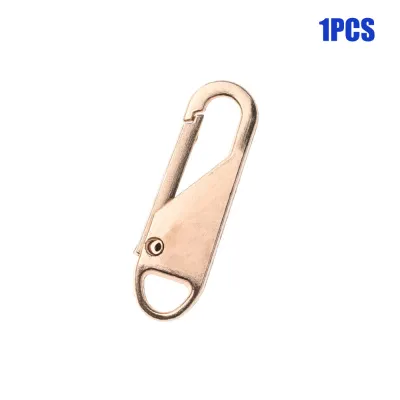
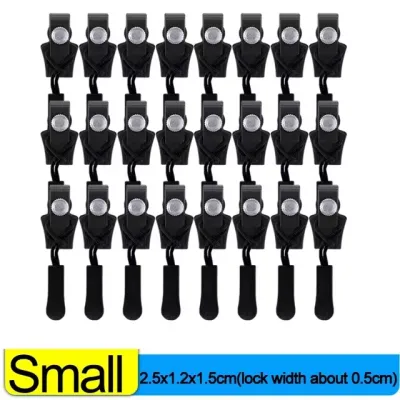
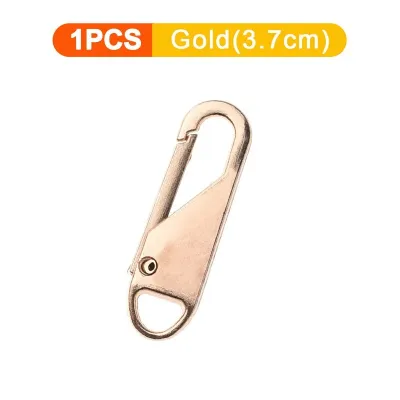
![[SG SELLER] [FREE SHIPPING] Fix A Zipper 6 Pieces DIY Emergency Zip Fixer Repair Kit](https://img.lazcdn.com/g/p/6ca6e31e865ed0334c6b8007cab704b3.jpg_400x400q80.jpg_.webp)
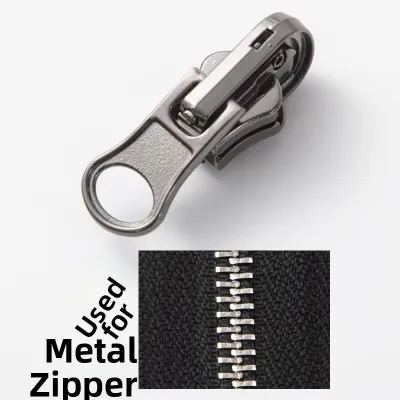
Prices are valid at publication and may change. Please refer to the product page for the latest price.
The types of fabrics and garments in your wardrobe also play a major role in this decision. Lightweight fabrics, such as those found on delicate dresses, silk blouses, or thin windbreaker linings, are relatively easy to pierce with a standard hand-sewing needle. However, heavy-duty items like denim jeans, canvas backpacks, winter coats, or leather jackets present a physical challenge. Hand-sewing a zipper into thick, stubborn materials requires significant physical effort, specialized heavy-gauge needles, and a lot of patience. If your repair pile consists mostly of heavy outerwear and rugged workwear, a machine with sufficient motor power can save your fingers from strain.
Hand Sewing vs. Machine Sewing for Zippers
When comparing hand sewing to machine sewing for zipper replacements, the most obvious difference is the time investment. Hand-sewing a zipper requires meticulous, slow work to ensure that each stitch is evenly spaced and securely anchored. A single zipper replacement by hand can easily take an hour or more, especially for beginners who must constantly check their alignment. A sewing machine can complete the actual stitching process in a matter of minutes once the fabric is prepared, making it highly efficient for those with limited free time.

Stitch consistency and durability are also key factors to consider. Machine stitches are locked in place by two threads—the needle thread and the bobbin thread—which creates a highly secure and uniform seam. This structural integrity is vital for zippers, which are constantly subjected to pulling, stretching, and tension during daily use. While an experienced hand-sewer can achieve excellent durability using a backstitch, a beginner’s hand stitches may stretch or break under pressure, leading to premature failure of the repair.
However, using a sewing machine for zippers is not without its challenges. To install a zipper cleanly, you must use a specialized zipper foot attachment, which allows the needle to stitch very close to the zipper coils without riding over them. Managing fabric tension and keeping the zipper tape perfectly flat as it feeds through the machine requires practice. Beginners often struggle with puckering, where the fabric bunches up along the zipper line, or accidental shifting that results in an uneven track. Hand sewing, though slower, offers a high degree of control, allowing you to make micro-adjustments with every single stitch.
Look Beyond Zippers: Evaluating Your Broader Alteration Needs
A sewing machine is rarely a sensible purchase if its only purpose is the occasional zipper repair. To justify the financial investment and the physical storage space, you should look at your broader clothing maintenance and alteration habits. In compact living environments, such as typical apartments in Singapore, dedicated storage space is valuable. A machine that sits unused in a closet for eleven months of the year may become more of an inconvenience than a helpful tool.
Consider how often you pay for professional tailoring services. Simple tasks like hemming trousers, shortening skirt lengths, taking in loose side seams, or patching holes in children’s play clothes are highly repetitive and can accumulate significant costs over time. If you find yourself regularly visiting a neighborhood tailor for basic alterations, owning a sewing machine allows you to handle these tasks at home. Over a year or two, the savings from DIY alterations can easily offset the initial cost of a reliable entry-level machine.
Beyond practical repairs, your personal interest in creative projects should also influence your decision. If you are drawn to upcycling thrifted clothes, customizing your wardrobe, or engaging in basic home crafting—such as making cushion covers or reusable shopping bags—a sewing machine becomes a versatile creative outlet. If these activities appeal to you, the machine ceases to be a single-purpose repair tool and instead becomes a valuable household asset that supports both utility and leisure.
Your Action Plan: When to Buy, Hand Sew, or Visit a Tailor
To help you make a final decision, you can categorize your situation into one of three distinct action plans based on your repair volume, skills, and household space.
Path A: Buy a Sewing Machine You should consider purchasing a sewing machine if you meet several of these conditions:
- You encounter zipper failures or garment damage multiple times a month.
- You regularly need to perform other basic alterations, such as hemming trousers or repairing seams.
- You have dedicated, accessible storage space in your home where the machine can be easily set up and packed away.
- You are willing to invest a few hours into learning how to thread the machine, adjust tension, and practice on scrap fabric.
- Your budget comfortably accommodates a reliable, entry-level mechanical machine without straining your household finances.
Path B: Hand Sew or Use Repair Kits You should stick to manual methods and simple tools if:
- Zipper replacements are rare events occurring only once or twice a year.
- Your living space is highly constrained, and you prefer to avoid storing bulky appliances.
- The damaged items are lightweight garments that are easy to stitch by hand with a standard needle and thread.
- You are dealing with simple hardware failures, such as a broken slider or a missing stop, which can be resolved using a zipper repair kit costing under S$10 and a pair of pliers.
- You prefer a low-cost, low-commitment approach that requires zero electrical power or technical setup.
Path C: Use a Professional Tailor You should outsource the work to a professional tailor when:
- The damaged item is an expensive, delicate, or highly structured garment, such as a formal suit, a wedding dress, or a technical waterproof jacket.
- The zipper is sewn into heavy leather, thick suede, or complex multi-layered outerwear that standard household sewing machines cannot pierce without risking damage to the motor.
- You lack the time or patience to learn sewing techniques and want a guaranteed, high-quality finish without the risk of ruining your clothing.
- The repair requires specialized machinery, such as a heavy-duty industrial walking foot, to handle dense materials safely.
Frequently Asked Questions (FAQ)
Can I replace a zipper without a sewing machine?
Yes, you can replace a zipper entirely by hand using a needle, strong thread (such as buttonhole twist or heavy-duty polyester), and a thimble to protect your fingers. For temporary or light-duty fixes on non-stretch fabrics, some people use fabric glue or iron-on fusible hemming tapes. However, these adhesive alternatives have significant limitations. They generally do not hold up well to repeated washing, tumble drying, or the physical stress of pulling a zipper open and closed. For any garment that will be worn and washed regularly, a stitched repair—whether done by hand or machine—is far more durable and reliable.
What sewing machine features are essential for zipper repairs?
If you decide to purchase a sewing machine primarily for garment repairs, ensure it includes a zipper foot attachment, which is absolutely essential for stitching close to the zipper teeth. The machine should also feature adjustable needle positions, allowing you to align the needle precisely with the edge of the zipper tape. Variable speed control is highly beneficial for beginners, as it lets you sew slowly around bulky seams and stops. Finally, look for a machine with a sturdy motor and a drop-in bobbin system, which tends to be easier to troubleshoot and maintain during thick fabric repairs.

Community discussion
Share your experience or ask a question. Comments are reviewed before publication.