
No, super glue should not be included in a lower primary school stationery list. For students in Primary 1 to Primary 3, a regular glue stick is more than sufficient for almost all classroom activities.
Lower primary students are still developing their fine motor skills and spatial awareness. The fast-acting, permanent bonding nature of cyanoacrylate—the active chemical in super glue—poses significant safety risks in an unsupervised classroom environment.
Furthermore, school craft projects at this developmental stage are almost exclusively paper-based. A standard glue stick provides a mild, washable, and easy-to-control bond that perfectly suits these daily tasks without any of the hazards associated with industrial-strength adhesives.
Products mentioned in this guide
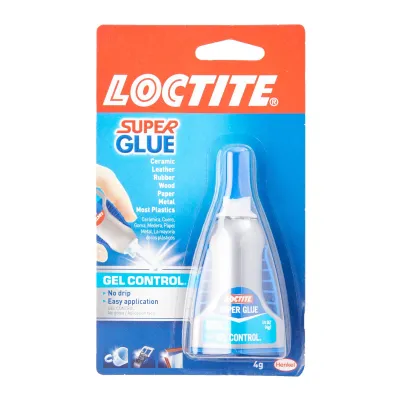
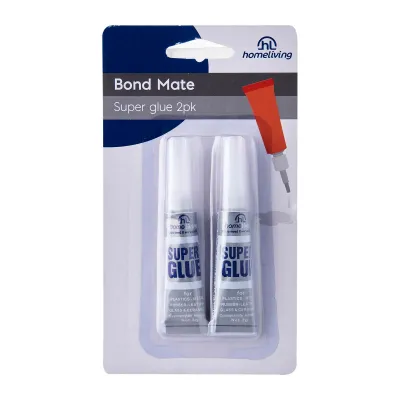
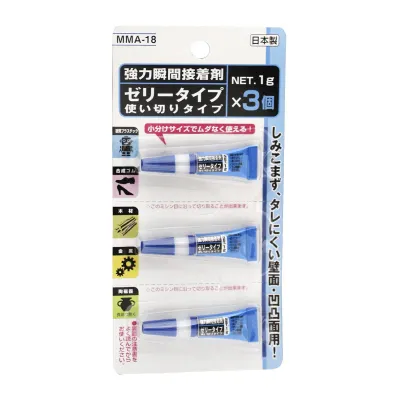
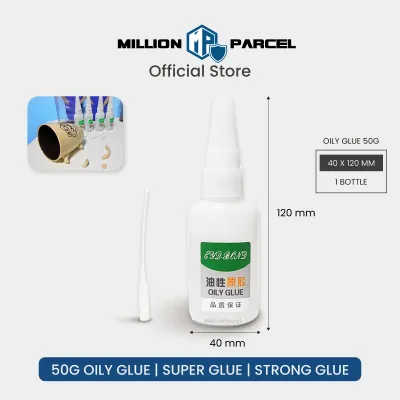
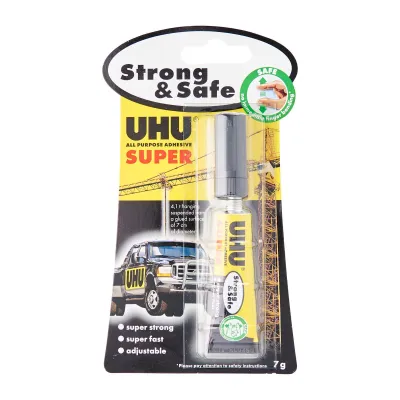
Prices are valid at publication and may change. Please refer to the product page for the latest price.
Checking School Guidelines and Actual Craft Requirements
Before purchasing any adhesives for the upcoming school term, parents should carefully review the official stationery list and student handbook provided by the school. Most primary schools in Singapore issue highly specific lists detailing exactly what items are permitted in the classroom. You will rarely, if ever, find cyanoacrylate-based adhesives on a lower primary list due to safety regulations.
Classroom activities for younger students focus primarily on paper, light cardboard, and basic drawing mediums. These materials do not require industrial-strength bonding. A standard glue stick provides ample adhesion for pasting worksheets, constructing simple paper models, and assembling basic collage art without warping the paper.
In contrast, specialized multi-material projects—such as building dioramas with plastics, metals, or heavy wood—are typically reserved for upper primary levels or are designed to be completed at home. If a school project does require joining non-paper materials, teachers will usually specify alternative assembly methods or request that parents assist with the bonding process at home.
Furthermore, schools maintain strict safety policies regarding what chemicals and hazardous substances students can bring onto school grounds. Unregulated adhesives can pose risks to classmates, and teachers often prohibit any liquid glues that cannot be easily washed out of clothing or cleaned off desks. Checking with the form teacher or art instructor before buying is always the safest first step.
Understanding the Safety Risks for Young Children
The primary reason super glue is unsuitable for lower primary students lies in its chemical formulation. Cyanoacrylate adhesives cure almost instantly upon contact with moisture, which is naturally present on human skin. Because young children are still developing their fine motor skills, accidental spills and skin contact are highly likely during busy classroom activities.

If a child accidentally squeezes a tube of super glue too hard, the low-viscosity liquid can quickly run across fingers, bonding skin together in seconds. This can lead to panic, and attempting to pull the bonded skin apart forcefully can cause painful tears and injuries. There is also a severe risk of the adhesive contacting eyes or hair, which requires immediate medical attention and cannot be easily managed in a standard classroom setting.
Beyond physical contact, the environmental conditions of a typical classroom must be considered. Classrooms often house dozens of students working simultaneously. Super glue releases strong chemical fumes as it cures, which can cause respiratory discomfort, watery eyes, or sensory irritation in enclosed or poorly ventilated spaces, particularly for children with sensitive airways or asthma.
A quick check of the product packaging on any standard super glue tube reveals explicit age restrictions and safety warnings. Most manufacturers clearly state that these products are not toys and are not intended for use by young children without close adult supervision. Some packages even recommend protective gloves and well-ventilated workspaces, conditions that are simply impractical for a lower primary school desk.
Choosing Safe and Effective Alternatives for Daily Crafts
For daily schoolwork and art classes, several safe, non-toxic, and highly effective alternatives exist that match the developmental stage of lower primary students. The humble glue stick remains the gold standard for everyday classroom use. It features a solid, low-moisture formula that does not wrinkle paper, dries relatively quickly, and allows children to reposition their cut-outs slightly before the bond sets permanently.
Glue sticks are also incredibly clean and easy to manage. They do not spill in pencil cases, they wash out of school uniforms with standard laundry detergent, and any residue left on desks can be wiped away with a damp cloth. Many brands offer colored formulas that apply blue or purple so children can see exactly where they have applied the adhesive, before drying completely clear.
When a project requires a slightly stronger hold than a glue stick can provide—such as bonding felt, yarn, balsa wood, or thick cardboard—polyvinyl acetate (PVA) white school glue is the ideal step up. Often referred to as white craft glue, PVA glue is non-toxic, water-based, and dries to a flexible, strong bond. While it takes longer to dry than super glue, this slower drying time is actually an advantage, giving young students plenty of time to adjust their work.
To ensure the best results, parents should teach their children to match the adhesive to the material and follow the teacher’s project instructions. For paper-to-paper tasks, a glue stick is always preferred. For porous, textured materials, a small dot of PVA white glue applied with a brush or a precision nozzle will provide a secure hold without the safety hazards of industrial adhesives.
Managing Super Glue for Special Projects at Home
There may be rare occasions when an advanced school project or a science model assigned for homework requires bonding non-porous materials like plastics, ceramics, or metals. If a cyanoacrylate adhesive is absolutely necessary to complete the task, the application must be strictly managed by an adult at home rather than sent to school in a child’s backpack.
Parents should restrict the actual handling of super glue to themselves, or allow the child to assist only under direct, continuous, one-on-one adult supervision. Before opening the tube, set up a dedicated workspace covered with protective newspaper or a silicone mat, as super glue can permanently damage table surfaces. Ensure the room is well-ventilated by opening windows or turning on a fan to disperse any chemical fumes.
Once the project is finished, store the adhesive securely in a high cabinet, a locked toolbox, or another location completely out of reach of children. Many super glue tubes can dry out or clog after a single use, so storing them upright in a cool, dry place according to the manufacturer’s instructions will also prolong the product’s shelf life and prevent messy leaks.
In the event of an accidental spill or skin bonding, remain calm and refer immediately to the first-aid instructions printed on the product packaging. Avoid the natural urge to pull or peel the bonded skin apart, as this can tear the skin. Instead, wash the area with warm, soapy water or check the label for recommended solvents, and seek professional medical advice if the adhesive comes into contact with sensitive areas like the eyes, nose, or mouth.
Frequently Asked Questions (FAQ)
Can my child keep super glue in their daily pencil case?
No, children should not keep super glue in their daily pencil cases. Most primary schools strictly prohibit students from bringing strong chemical adhesives to school due to safety risks. Additionally, a tube of super glue can easily puncture or leak inside a pencil case, permanently ruining expensive stationery, school bags, textbooks, and school uniforms. Stick to a solid glue stick for daily school carry.
What is the safest way to remove super glue from a child's skin?
If super glue accidentally bonds a child’s skin, do not attempt to pull, peel, or force the skin apart, as this can cause painful tearing. Instead, check the product label immediately for specific manufacturer-recommended removal steps. Generally, soaking the affected area in warm, soapy water and gently massaging the skin can help loosen the bond. If the glue contacts the eyes, eyelids, mouth, or any sensitive area, seek immediate medical attention rather than attempting home remedies.
Are there any non-toxic glues that work on hard plastics for school models?
Standard school glue sticks and PVA white glues do not bond well to smooth, non-porous hard plastics because they cannot penetrate the surface. If your child needs to bond plastic for a school model, look for specialized, non-toxic multi-surface craft glues labeled safe for children. Alternatively, an adult can assist using a low-temperature hot glue gun, which provides a strong, fast-setting bond on plastics without the chemical hazards of super glue, though it still requires close adult supervision to prevent minor burns.

Community discussion
Share your experience or ask a question. Comments are reviewed before publication.