
Selecting the right adhesive for a primary school student involves balancing safety, ease of cleanup, and functional performance. For daily schoolwork—such as pasting worksheets into exercise books, assembling simple paper crafts, or completing project work—the ideal choice is a water-soluble, non-toxic glue stick or a washable liquid white glue. These options ensure that young children can work independently without ruining their school uniforms, damaging classroom desks, or exposing themselves to harsh chemical solvents. By understanding how different adhesive formats interact with standard school paper, parents and educators can equip students with tools that foster creativity while keeping mess to an absolute minimum.
Key Criteria for Choosing Primary School Glue
In a primary school environment, spills and accidental contact with skin, desks, and school uniforms are inevitable. Water-soluble formulas are designed to break down easily when exposed to water, allowing parents and teachers to wash away residues with standard laundry cycles or a simple damp cloth. This washability eliminates the need for harsh chemical solvents or vigorous scrubbing, which can damage delicate fabrics or irritate young skin.
Small hands are still developing fine motor skills, meaning adhesives must feature ergonomic designs that are easy to grip, squeeze, or twist. For instance, a glue stick should have a smooth, reliable twist-up mechanism that does not jam or require excessive force. Liquid glue bottles require nozzles that resist clogging and allow for controlled dispensing, preventing large pools of adhesive that saturate paper and prolong drying times.
Products mentioned in this guide
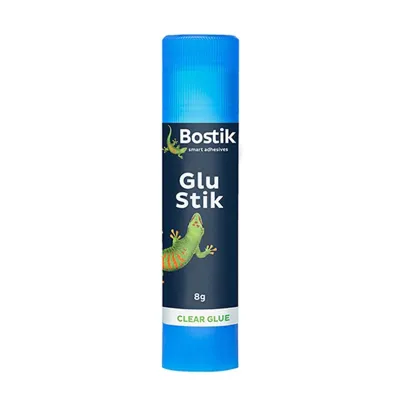
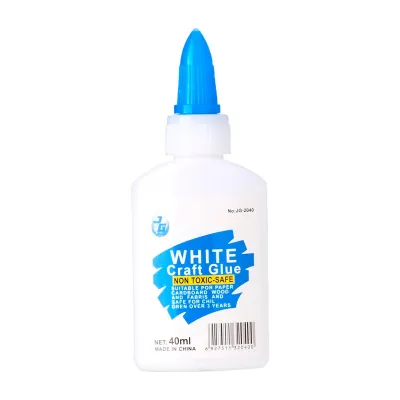
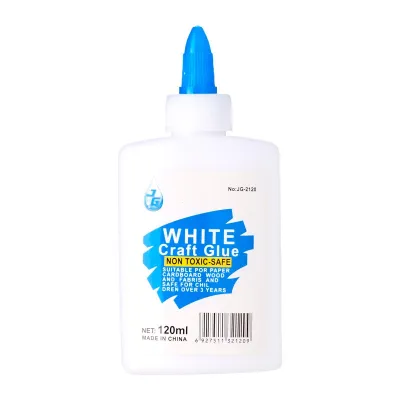
Prices are valid at publication and may change. Please refer to the product page for the latest price.
The drying profile of a school adhesive must strike a balance between open time and set time. Open time refers to the window during which a student can reposition a piece of paper before the bond becomes permanent. If a glue dries too quickly, children may struggle to align their work properly, leading to frustration. Conversely, if the drying time is too long, the project remains wet and vulnerable to shifting, tearing, or sticking to adjacent pages when the exercise book is closed.
Safety is the most critical factor when selecting stationery for young children. Primary school students frequently touch their faces, rub their eyes, or even accidentally ingest small amounts of school supplies. Adhesives must be strictly non-toxic, solvent-free, and acid-free. Acid-free formulations also ensure that the adhesive does not yellow or degrade paper over time, preserving schoolwork for the duration of the academic year.
Comparing Common Glue Types for Everyday Schoolwork
Choosing the right adhesive format depends on the specific materials being bonded and the nature of the school activity. While one type of glue may excel at pasting flat worksheets, another might be necessary for constructing three-dimensional science models or bonding heavier craft materials.

Glue Sticks for Paper and Light Crafts
Glue sticks are the standard choice for daily classroom tasks due to their solid form and low-mess application. They are highly suited for flat paper, lightweight cardstock, and quick collage work where moisture control is essential. Because glue sticks contain very little water compared to liquid alternatives, they do not warp or wrinkle thin paper, allowing worksheets to lie flat in exercise books.
However, solid adhesives have distinct limitations. They offer relatively low bond strength and perform poorly on non-porous surfaces like plastic, metal, or laminated paper. They are also unsuitable for securing heavy materials or three-dimensional objects, as the bond can easily fail under tension.
When selecting a glue stick, look for a smooth twist-up mechanism that retracts easily. To verify quality, perform a quick trial on a scrap piece of paper: the adhesive should glide smoothly without leaving large, clumpy deposits or tearing the paper surface. Some varieties feature a colored formula that dries clear, helping students visually track where they have applied the adhesive.
Liquid White Glues for Stronger Bonds
Liquid white glues, typically formulated from polyvinyl acetate (PVA), provide a much stronger and more flexible bond than glue sticks. They are the preferred choice for art projects, papier-mâché, and bonding diverse materials such as wood, fabric, felt, and thick cardboard. Once cured, liquid white glue penetrates the fibers of porous materials, creating a durable connection that can withstand handling.
The primary drawback of liquid glue is its high water content, which can easily saturate and wrinkle thin paper if applied too generously. It also requires a significantly longer drying time and carries a higher risk of spills in the classroom.
To manage these challenges, look for bottles equipped with precision nozzles, dual-tips (a fine point on one end and a spreader on the other), or adjustable twist-caps that regulate flow. Teaching students to apply the glue in small dots rather than continuous lines helps control the volume and reduces drying times.
Tape Runners and Glue Dots for Quick Projects
Tape runners and glue dots represent dry-adhesive alternatives that offer instant bonding with zero drying time. Tape runners house a roll of double-sided adhesive film that transfers to paper when rolled across the surface, while glue dots are pre-formed pressure-sensitive adhesive circles. These formats are excellent for photo mounting, scrapbooking, and securing lightweight embellishments without any moisture or mess.
Despite their convenience, dry adhesives carry a higher cost per use, often ranging from S$3 to S$8 per applicator, making them less economical for daily, high-volume classroom tasks. They also generate plastic waste from disposable cartridges and offer limited bond strength on uneven or heavy surfaces.
When choosing a tape runner for a primary school student, ensure the casing is ergonomically sized for smaller hands and that the winding mechanism operates smoothly without tangling or tearing the adhesive strip.
How to Read Labels and Verify Product Safety
Before purchasing any adhesive for school use, it is essential to inspect the packaging to verify its safety credentials and suitability for children. Look for recognized non-toxic certifications on the label, such as the “AP Non-Toxic” seal from the Art and Creative Materials Institute (ACMI) or compliance with international safety standards like EN71 (specifically Part 3, which regulates chemical migration in toys and children’s products). These certifications indicate that the product has been evaluated by toxicologists and contains no materials in sufficient quantities to be toxic or injurious to humans.
It is also important to distinguish between water-based school adhesives and solvent-based craft glues. Solvent-based formulas often contain volatile organic compounds (VOCs) that emit strong fumes, posing inhalation risks and requiring high ventilation. These are entirely unsuitable for primary school classrooms. Water-based formulas, on the other hand, use water as the primary carrier, making them virtually odorless and much safer for prolonged body contact.
Always check the packaging for clear ingredient disclosures, age-appropriate warnings (such as “Not suitable for children under 36 months” due to small parts like caps), and manufacturer contact details. If a product lacks clear labeling, safety certifications, or contact information, it is best to avoid it. Additionally, inspect older adhesives periodically; if a glue has separated into layers, developed a foul or sour odor, or become excessively discolored, the formula has likely degraded or succumbed to bacterial growth, and the product should be discarded immediately.
Practical Tips for Storage, Usage, and Mess Prevention
Establishing consistent routines for adhesive care not only extends the lifespan of the stationery but also minimizes classroom cleanup. To prevent glue sticks from shrinking and drying out, teach children to twist the adhesive column back down completely before snapping the cap on tightly. For liquid glues, the nozzle should be wiped clean of excess wet glue with a scrap piece of paper or cloth before twisting the cap shut; this prevents the tip from becoming clogged with dried, hardened adhesive.
Storage conditions play a significant role in maintaining formula stability. Adhesives should be stored in temperature-controlled environments away from direct sunlight or extreme heat, which can cause liquid glues to separate or glue sticks to melt and lose their structural integrity. In tropical climates, keeping stationery in a cool, shaded drawer or pencil case is highly recommended.
When spills do occur, immediate action is key. Because school glues are water-based, wet spills on desks or plastic surfaces can be wiped away instantly with a damp sponge or microfiber cloth. If the glue gets onto skin, it can be washed off easily with warm water and mild soap. For clothing, scraping off any excess wet glue before it dries prevents it from embedding deeply into the fabric fibers.
Finally, teaching children the “less is more” rule is highly effective. Show them how a few small dots of liquid glue or a single, light pass of a glue stick is sufficient to create a strong bond. This practice prevents paper from warping, reduces drying times, and conserves supplies, saving money over the school term.
Frequently Asked Questions (FAQ)
Can I use super glue or hot glue for primary school crafts?
Super glue (cyanoacrylate) and hot glue guns are not recommended for independent use by primary school students. Cyanoacrylate bonds skin almost instantly upon contact, posing a severe risk of injury, while hot glue guns present significant burn hazards from both the heated nozzle and the molten adhesive. These tools should only be used by adults or older students under strict, one-on-one supervision. For daily primary school crafts, stick to safe, room-temperature, water-based adhesives.
How do I remove dried glue from school uniforms?
To remove dried water-based school glue from uniforms, start by soaking the stained area in warm water for 10 to 15 minutes to soften the adhesive. Gently agitate the fabric or use a soft-bristled brush to lift the loosened glue particles. Avoid using harsh chemical solvents, bleach, or acetone, as these can degrade synthetic uniform fabrics and leave chemical residues that may irritate a child’s skin. Once the glue is softened, wash the garment in a standard laundry cycle.
Is it necessary to buy branded glue for school projects?
It is not strictly necessary to buy expensive branded glues, but verifying safety and performance is essential. Budget-friendly generic options, often priced under S$1 to S$2, can be highly effective if they carry recognized non-toxic certifications and explicit washability claims. However, very cheap alternatives may suffer from poor quality control, such as fragile twist-up mechanisms that break easily, inconsistent formulas that dry out prematurely in the tube, or lower adhesive strength that causes paper to peel off after a few days. Testing a single unit before buying in bulk is a practical way to evaluate performance.
Community discussion
Share your experience or ask a question. Comments are reviewed before publication.