
Selecting the right denim cloth fabric is the foundation of any successful sewing project. Because denim varies significantly in weight, weave, and elasticity, choosing the wrong type can lead to ill-fitting garments, broken needles, or puckered seams. Matching your fabric to your design ensures your finished piece behaves exactly as intended.
Whether you are crafting structured utility jeans, a durable tote bag, or a breathable shirt suitable for warm climates, identifying fabric characteristics is the first step. By evaluating weight, stretch, and wash style, you can confidently prepare your sewing machine and execute clean, professional finishes.
Evaluating Raw and Unwashed Denim for Rigid Projects
Raw denim, also known as dry or unwashed denim, remains in its pure, untreated state after weaving and dyeing. When handling raw denim cloth fabric, you will immediately notice its stiff hand feel and deep, uniform indigo color. This lack of pre-treatment means the fabric retains its original sizing agents, which contribute to its structural stiffness.
Products mentioned in this guide
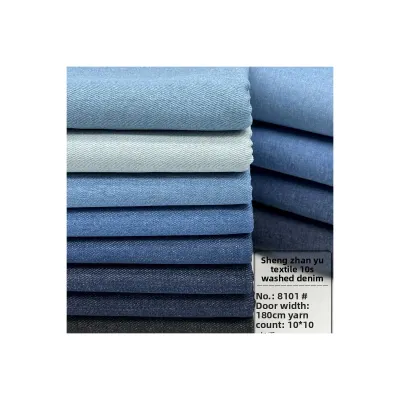
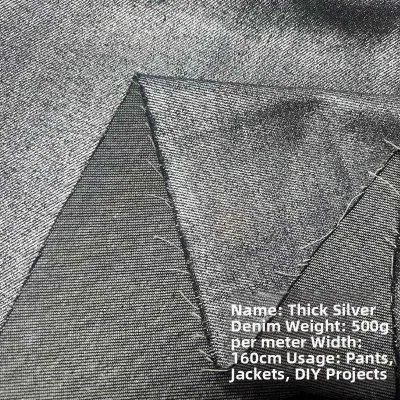
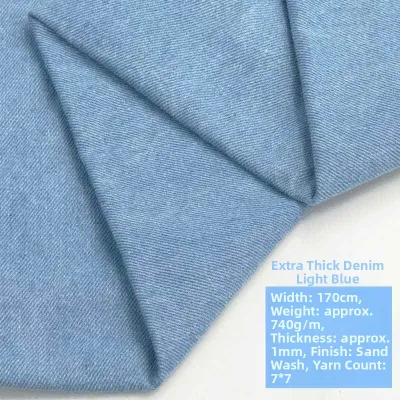
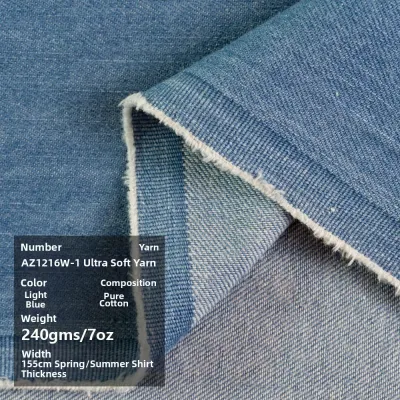
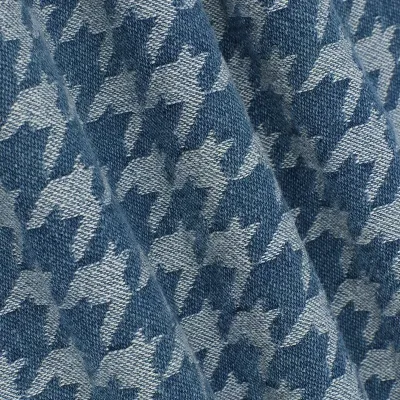
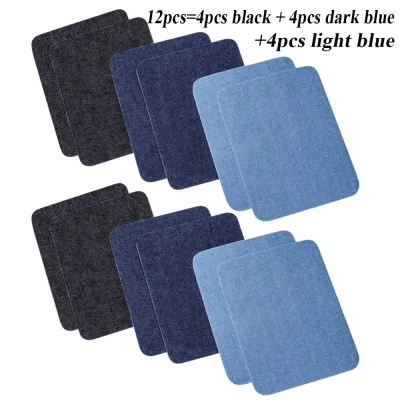
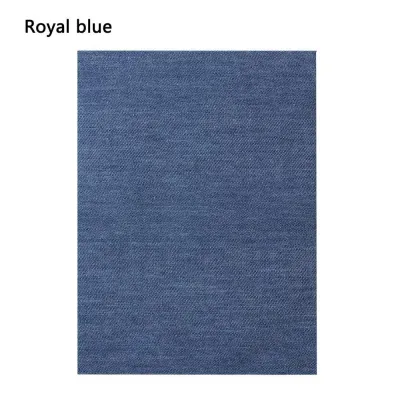
Prices are valid at publication and may change. Please refer to the product page for the latest price.
Because raw denim has not undergone washing, it is highly susceptible to shrinkage during its first encounter with water. You can generally expect a shrinkage rate of 5% to 10%, which can drastically alter the fit of a finished garment. Over time, raw denim naturally creases and fades according to the wearer’s movements, creating personalized wear patterns.
This rigid drape makes raw denim ideal for projects requiring strong structural integrity, such as heavy-duty utility jackets, structured backpacks, and classic straight-leg jeans. Before purchasing, always check the manufacturer’s shrinkage specifications and care labels to calculate how much extra yardage you need to accommodate the initial wash.
Choosing Washed and Pre-Shrunk Denim for Predictable Results
Washed denim has undergone industrial laundering or rinsing before reaching the retail shelf. This pre-treatment alters both the visual and tactile properties of the fabric, resulting in a significantly softer hand feel and a more relaxed drape. You will often observe varied blue tones and soft textures along the edges of the fabric.

The primary advantage of washed denim cloth fabric is its dimensional stability. Because the fibers have already been exposed to water and heat, the risk of post-sewing shrinkage is drastically reduced. This predictability is essential when sewing tailored garments where precise final measurements are critical to the fit.
If you are sewing fitted skirts, tailored trousers, or custom dresses, washed denim ensures that the garment you sew is the exact size you will wear. Even with pre-washed fabrics, it remains wise to verify the care label for any residual shrinkage warnings and to perform a quick test wash of your yardage before cutting.
Handling Stretch Denim for Fitted Garments
Stretch denim incorporates elastic synthetic fibers, typically elastane or spandex, blended with traditional cotton. To identify stretch denim, check the fabric composition label; a blend containing 1% to 5% elastane is standard for comfortable everyday wear. This small percentage introduces flexibility while maintaining the classic appearance of denim cloth fabric.
Unlike 100% cotton denim, stretch denim has a more fluid drape and requires excellent recovery—the ability of the fabric to snap back to its original shape. Without good recovery, garments like skinny jeans or fitted skirts can quickly bag out at the knees and seat, losing their tailored silhouette.
Sewing stretch denim requires specific tools and techniques to prevent popped seams and fabric distortion. You must use a stretch or ballpoint needle, which slips between the fibers rather than piercing them, along with a narrow zigzag or stretch stitch. Avoid pulling the fabric as you guide it through the machine to prevent wavy, puckered seams.
Selecting Lightweight Denim for Shirts and Summer Wear
Lightweight denim typically refers to fabrics weighing under 8 ounces per square yard. When holding this fabric, you will notice a highly pliable drape, excellent breathability, and a lighter weight that makes it comfortable for warm, humid climates. It offers the classic aesthetic of denim without the heavy, insulating bulk of traditional utility fabrics.
It is important to distinguish lightweight denim from chambray, which is often used for similar projects. While both feature blue and white threads, chambray is a plain-weave fabric, whereas lightweight denim retains the characteristic diagonal twill weave. This twill structure gives lightweight denim slightly more durability and a distinct diagonal texture.
This breathable variety is perfect for sewing button-down shirts, tiered summer dresses, and flowing skirts. However, because the weave is finer and looser than heavy denim, the cut edges are highly prone to fraying. You must handle raw edges carefully and apply secure seam finishes, such as flat-felled seams or overcasting, to protect the construction.
Matching Denim Varieties to Specific Sewing Projects
Successfully matching your denim cloth fabric to your project requires balancing the weight of the material with the structural demands of the pattern. For bottoms like classic jeans, a medium-to-heavy weight washed or raw denim (10 to 14 ounces) provides the necessary durability, while a stretch denim of similar weight offers comfort for fitted designs.
Outerwear projects, such as chore coats, utility jackets, and structured vests, demand medium-to-heavy weight fabrics to provide warmth and hold their shape over layers. These projects benefit from the structure of raw denim or the immediate comfort of heavy washed denim.
For non-apparel items like tote bags, aprons, and home decor cushions, rigid raw denim or heavy-duty utility denim is the standard choice. These projects do not require drape or stretch; instead, they rely on the fabric’s natural resistance to abrasion and tearing under daily use.
The following table outlines how to pair common denim varieties with specific sewing projects:
| Denim Fabric Type | Typical Weight Range | Recommended Projects | Key Sewing Consideration |
|---|---|---|---|
| Raw Denim | 12 oz to 16 oz | Structured jackets, rigid jeans, heavy-duty tote bags | Requires pre-shrinkage calculation and heavy-duty needles |
| Washed Denim | 10 oz to 14 oz | Tailored skirts, casual trousers, structured dresses | Offers high dimensional stability; easy to cut and sew |
| Stretch Denim | 9 oz to 12 oz | Skinny jeans, fitted skirts, active outerwear | Requires stretch needles and flexible stitch patterns |
| Lightweight Denim | 4 oz to 8 oz | Button-down shirts, summer dresses, children's wear | Prone to fraying; requires careful edge finishing |
Preparing and Adjusting Your Sewing Setup for Denim
Before you begin sewing denim cloth fabric, proper preparation of both your fabric and your machine is essential. Always pre-wash your fabric using the same water temperature and drying cycle you plan to use for the finished garment. This step removes excess dye, relaxes the fibers, and eliminates any initial shrinkage before you cut your pattern pieces.
Your sewing machine must be configured to handle the dense twill weave of denim. Replace your standard needle with a dedicated jeans or denim needle, typically sized from 90/14 for lighter fabrics to 100/16 or 110/18 for heavy-duty denim. These needles feature a reinforced shaft and a sharp, slender point designed to pierce dense layers without bending or breaking. Use a strong polyester thread or a specialized heavy-duty topstitching thread for visible, durable seams.
Managing thick seam intersections, such as where flat-felled seams cross, requires bulk-reduction techniques. Trim away excess seam allowance inside the garment, and use a seam clearance tool to keep your presser foot level when sewing over thick bumps.
If your home sewing machine motor begins to hum loudly, skip stitches, or struggle to pierce the fabric layers, stop immediately. Forcing a standard domestic machine through multiple layers of heavy denim can damage the timing mechanism or burn out the motor. In these cases, consider using a heavy-duty mechanical machine or seeking professional sewing equipment.
Frequently Asked Questions (FAQ)
Can I use regular cotton thread for sewing denim cloth fabric?
Standard cotton sewing thread is generally too weak to withstand the tension and friction associated with heavy denim garments. For structural seams, a strong all-purpose polyester thread is recommended because it offers higher tensile strength and slight elasticity. For decorative, visible seams, use a dedicated thick topstitching thread in the needle while keeping regular polyester thread in the bobbin to prevent tension issues.
How do I prevent denim from fraying excessively during a project?
Denim’s diagonal twill weave makes its cut edges highly susceptible to unraveling during handling and washing. To manage this, cut your pattern pieces cleanly using sharp fabric shears or a rotary cutter, and finish the edges immediately. You can secure the edges using a serger (overlocker), a wide zigzag stitch on a standard machine, or by sewing classic flat-felled seams that fully encase the raw edges.

Community discussion
Share your experience or ask a question. Comments are reviewed before publication.