
Choosing the right crochet thread size is the most critical decision you will make before starting a lace or fine-craft project. Unlike standard yarn, where larger numbers indicate thicker fibers, crochet thread operates on a reverse numbering system that can easily confuse beginners and experienced crafters alike. Selecting the incorrect thickness can result in a finished piece that is either too bulky to wear in Singapore’s warm climate or too small to serve its intended purpose.
To match your thread to your pattern successfully, you must understand how these sizes are classified, how they correspond to specific crochet hooks, and how to read the finer details on the manufacturer’s label. This knowledge ensures your projects have the correct drape, stitch definition, and physical dimensions.
Understanding the Crochet Thread Number System
The fundamental rule of crochet thread sizing is counterintuitive: the higher the size number, the thinner the thread. For example, a size 3 thread is relatively thick and resembles a lightweight yarn, whereas a size 30 thread is highly delicate and thin. This system originates from historical manufacturing standards where the number represented the number of times the cotton strand was spun or wrapped; more wraps produced a finer, more compact thread.
Products mentioned in this guide
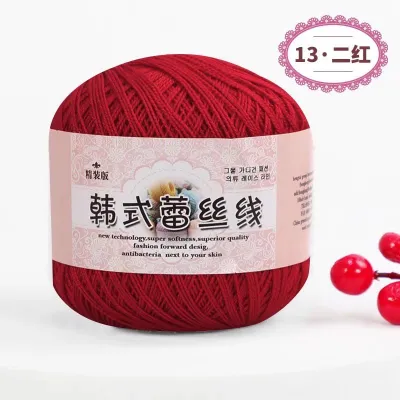
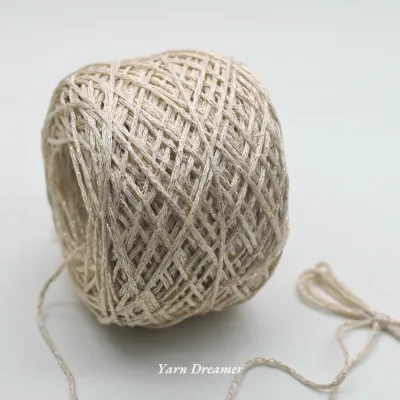
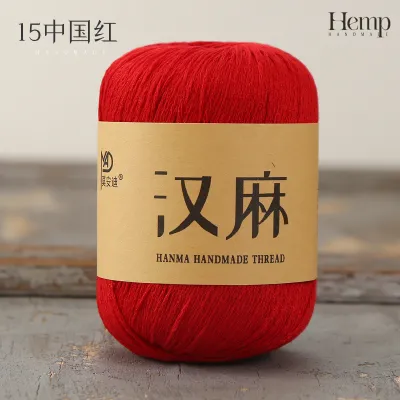
Prices are valid at publication and may change. Please refer to the product page for the latest price.
This numbering system stands in direct contrast to the Standard Yarn Weight System established by the Craft Yarn Council. In standard yarn classification, weights run from 0 (lace) to 7 (jumbo), meaning higher numbers always dictate a thicker product. When transitioning from yarn to thread, you must actively invert this logic to avoid purchasing a thread that is vastly different from what your pattern requires.
To establish a baseline, size 10 is widely considered the standard “bedspread weight” and serves as the universal starting point for thread crochet. It is thick enough to handle easily without slipping, yet thin enough to produce the classic, clean lace appearance associated with heirloom pieces. If you are new to thread crochet, starting with size 10 allows you to learn the tension requirements without the frustration of working with microscopic strands.
While the size number is your primary metric for thickness, you may also see references to “ply” on certain labels. Ply indicates the number of individual strands twisted together to form the main thread, such as 3-ply or 6-ply. While ply affects the structural strength, roundness, and light-reflective qualities of the thread, it does not override the standard size number; always rely on the size number first when matching your pattern.
Matching Thread Sizes to Your Project Type
Different thread thicknesses yield entirely different fabrics, making certain sizes highly specialized for specific items. Matching the thread weight to the practical use of the finished object ensures durability and aesthetic appeal.

Heavy and Medium Threads (Sizes 3, 5, and 10)
Heavy and medium threads are ideal for items that require structural integrity or quick working speeds. Sizes 3 and 5 are excellent for creating lightweight summer garments, breathable beach cover-ups, sturdy market bags, and structural home decor like table runners. Because these threads are thicker, they drape beautifully without being overly fragile, making them perfect for wearable items in tropical climates.
Size 10 thread is the most versatile option available. It is commonly used for coasters, bookmarks, holiday ornaments, and detailed tablecloths. For beginners, size 10 offers a comfortable balance: it provides excellent stitch definition, works up at a reasonable pace, and is widely available in a vast array of solid and variegated colors.
Fine and Lace Threads (Sizes 20, 30, 40, and higher)
Fine and lace threads are reserved for highly intricate, delicate projects where detail is paramount. Sizes 20 and 30 are the traditional choices for classic doilies, vintage-style table toppers, and fine lace edgings on handkerchiefs or garments. Once you move up to size 40, 80, or even 100, you are entering the realm of micro-crochet, tatting, and miniature jewelry making.
Working with these ultra-fine threads has distinct practical implications. The process requires excellent lighting, sharp eyesight, and a high degree of patience, as a project of the same physical dimensions will take significantly longer to complete than one made with size 10 thread. The resulting fabric is incredibly light and delicate, mimicking the appearance of machine-made lace but with the distinct charm of hand-crocheted stitches.
Reading the Label: Hook Recommendations and Yardage
Before purchasing your thread, you must carefully decode the secondary specifications printed on the ball’s label. These details tell you exactly what tools you need and how much material to buy to complete your project successfully.
First, look at the recommended hook size. Thread crochet relies on steel crochet hooks, which use a different sizing system than standard aluminum or wooden hooks. Crucially, steel hook numbers also run in reverse: a higher number indicates a smaller millimeter size. For example, a size 7 steel hook has a larger shaft (approximately 1.65 mm) than a size 10 steel hook (approximately 1.15 mm). Always verify the millimeter measurement on the hook packaging to ensure you are using the correct tool, as mismatched hooks will ruin your stitch tension.
Next, calculate your total yardage requirements. Crochet patterns list the necessary material in total yards or meters. Because thread balls are sold in varying weights and lengths, you must divide the pattern’s total yardage requirement by the yardage listed on a single ball of your chosen thread. Always round up to the nearest whole ball to ensure you do not run out of material mid-project.
When buying multiple balls of thread, check the dye lot number printed on the label. Even if two balls look identical under store lighting, subtle variations in the dye chemical balance during manufacturing can create highly visible horizontal lines across your finished lace. Buying all your required thread from the same dye lot guarantees color consistency throughout the entire project.
How to Substitute Thread Sizes and Adjust Your Gauge
If you cannot find the exact thread brand or size specified in your pattern, you can substitute a different thread, but you must take systematic steps to ensure the project still fits or looks correct. Substituting a different thread size will directly alter the final dimensions, drape, and stitch definition of your work.
To verify how a substitute thread behaves, you must crochet a gauge swatch. Work a small square (typically 10 cm by 10 cm) using the substitute thread, your chosen hook, and the primary stitch pattern from your project. Lay the swatch flat on a hard surface and count the number of stitches and rows per inch. Compare these numbers to the gauge specified in the pattern.
If your swatch has too many stitches per inch, your tension is too tight or the thread is too thin; you can try switching to a slightly larger steel hook to open up the stitches. Conversely, if your swatch has too few stitches per inch, your tension is too loose or the thread is too thick; switch to a smaller steel hook to tighten the fabric. If you still cannot match the gauge, you will need to manually calculate adjustments to the starting chain and stitch repeats, which requires careful math.
Avoid making extreme substitutions, such as using a size 30 lace thread for a pattern designed for a size 10 bedspread weight. Doing so without completely redesigning the pattern will result in an item that is a fraction of the intended size, and the delicate stitches may lose their structural integrity. Always keep your substitutions within one or two size brackets to preserve the designer’s original intent.
Frequently Asked Questions (FAQ)
What is the difference between crochet thread and regular yarn?
Crochet thread is typically made from mercerized cotton, which has been treated with a mild sodium hydroxide solution to swell the fibers. This process gives the thread a smooth, high-sheen finish, exceptional strength, and a tight, cord-like twist that prevents the hook from splitting the strands. Regular yarn is usually made from wool, acrylic, or loose cotton blends; it is loftier, fuzzier, and designed to trap heat, whereas crochet thread is designed to create crisp, highly defined lace stitches.
Can I use standard sewing thread for crochet?
While sewing thread can technically be used for extreme micro-crochet projects, it is generally not recommended. Standard sewing thread lacks the specialized structural twist of crochet thread, making it highly prone to fraying, knotting, and snapping under the tension of a crochet hook. Additionally, sewing thread produces a very limp, unstructured fabric that lacks the crisp drape and stitch definition required to make traditional crochet patterns look clean and professional.

Community discussion
Share your experience or ask a question. Comments are reviewed before publication.