
Selecting the right bulk roll bubble wrap involves analyzing several critical technical specifications rather than simply choosing the most convenient option. To protect your inventory effectively and minimize shipping costs, you must evaluate bubble diameter, film thickness, roll dimensions, and material composition. Matching these specifications to your specific product profiles and warehouse workflows ensures your items survive transit while keeping material waste to a minimum.
By understanding how these technical details translate to real-world performance, you can avoid common shipping pitfalls such as deflated packaging, oversized boxes, and inefficient packing lines. This guide breaks down the essential specifications to consider before committing to a high-volume purchase.
Bubble Size and Thickness: Matching Protection to Your Products
Bubble diameter and height dictate the level of cushioning and shock absorption a roll provides. Standard bubble sizes generally fall into three categories: small (typically 10mm diameter), medium (typically 12mm to 15mm), and large (typically 25mm or larger). Small bubbles are highly effective for surface protection, scratch prevention, and wrapping lightweight items with intricate shapes, such as cosmetics, small stationery items, or compact electronics. Large bubbles, containing a higher volume of air, are designed for void-fill applications and shock absorption, making them ideal for cushioning heavier, fragile items like glassware, ceramics, or heavy industrial components.
Products mentioned in this guide
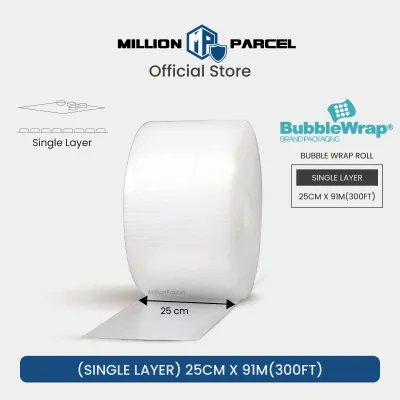
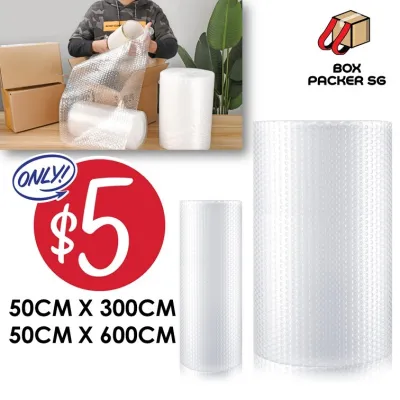
![91m/20m/10m BubbLest™ [FREE PENKNIFE] Bubble Packaging Material Direct Singapore Manufacturer | Clingwrap | Plasticwrap | Cling Wrap | Plastic Wrap | Bubble Roll |](https://img.lazcdn.com/g/p/118908581c7285d2410f3d4422311ca0.png_400x400q80.png_.webp)
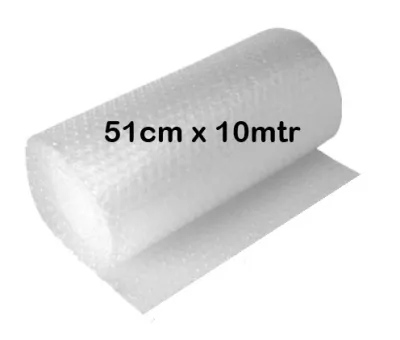
Prices are valid at publication and may change. Please refer to the product page for the latest price.
Film thickness, often measured in microns or gauge, directly influences puncture resistance and air retention. Single-layer bubble wrap consists of a flat backing sheet laminated to a shaped bubble layer, which is lightweight and economical but prone to faster air loss under sustained pressure. Multi-layer or co-extruded barrier bubble wrap incorporates an additional nylon or specialty polymer layer that seals the air inside the bubbles more effectively. This construction prevents the bubbles from collapsing during long transit times or when subjected to heavy stacking forces.
To ensure consistent quality, do not rely on visual estimation or a simple hand-squeeze test of a single sheet. Always request the manufacturer’s technical data sheet to confirm the exact micron rating and material composition. Testing physical samples under simulated load conditions will help you verify whether the film thickness and bubble structure can withstand the specific weight and transit duration of your products.
Roll Dimensions: Calculating Width and Length for Bulk Efficiency
Choosing the correct roll width is essential for minimizing labor time and material waste at your packing stations. Standard bulk rolls are available in wide formats, such as 1500mm, which can be custom-slit by the supplier into narrower widths like 300mm or 500mm. If your packing team primarily handles small items, using pre-slit rolls eliminates the need for manual trimming with scissors or utility knives. This reduces the risk of uneven cuts, minimizes offcut waste, and speeds up the fulfillment process.
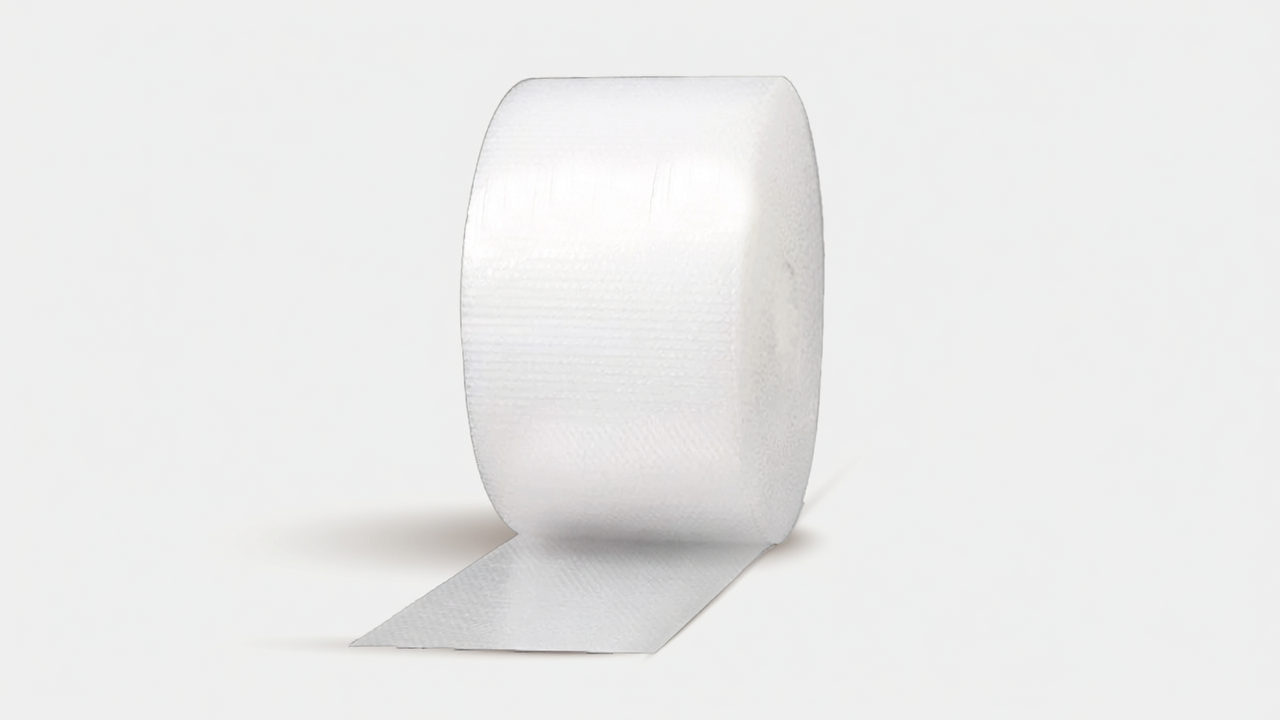
Total roll length must be balanced against your physical storage constraints and handling capabilities. While longer rolls (such as those spanning 100 meters or more) reduce the frequency of roll changes on the packing line, they result in a much larger roll diameter. In space-constrained environments, such as urban warehouses or home-office packing stations in Singapore, exceptionally large rolls can be difficult to maneuver, store, and mount on standard dispensing equipment. Ensure your storage racks and packing tables can accommodate the outer diameter of the fully wound bulk roll.
To determine the true value of a bulk purchase, calculate the cost per square meter rather than comparing flat roll prices. You can use this simple formula to compare different supplier offers:
Cost per Square Meter = Total Roll Price (S$) / (Roll Width in meters x Roll Length in meters)
This calculation allows you to compare rolls of varying widths and lengths on an equal financial basis, ensuring you secure the most cost-effective bulk rate.
Secondary Specs: Perforations, Anti-Static, and Material Grades
Secondary specifications can significantly impact packing efficiency and product safety depending on your specific operational needs. Pre-perforated bubble wrap rolls feature cross-directional tears at regular intervals, typically every 300mm or 500mm. For high-volume fulfillment operations where speed is critical, perforations allow packers to quickly tear off sheets without reaching for cutting tools. However, if your product dimensions vary widely, continuous non-perforated rolls offer greater flexibility, allowing you to cut custom lengths to fit unique item sizes.
For businesses shipping electronic components, standard plastic bubble wrap poses a significant risk due to static electricity buildup caused by friction during transit. Anti-static bubble wrap, easily identified by its pink color, is treated with an antistatic agent to prevent electrostatic discharge. This specialty material is essential for packaging printed circuit boards, computer parts, and other sensitive electronic devices that could be rendered useless by minor static shocks.
As sustainability becomes increasingly important, many suppliers offer bubble wrap made from recycled content. When evaluating eco-friendly claims, look for official material certifications rather than generic marketing labels. Keep in mind that high percentages of recycled content can sometimes affect the film’s clarity, tensile strength, and air retention. Requesting a sample roll allows you to verify that the recycled material meets your structural requirements without compromising product protection.
How to Verify Specs Before Placing a Bulk Order
Before committing to a large-volume purchase, establish a verification process to ensure the delivered product matches your operational requirements. Requesting physical samples or a detailed technical data sheet from the supplier is the most reliable way to confirm real-world performance, film elasticity, and bubble seal quality.
Additionally, verify the inner cardboard core diameter of the roll, which is commonly 50mm or 76mm. This dimension must match your existing warehouse dispensers, wall mounts, or packing table spindles to prevent compatibility issues that could halt your packing line. Finally, confirm the manufacturer’s acceptable tolerance margins for thickness and width variations, as minor deviations are common in plastic extrusion and should remain within acceptable limits to avoid operational disruptions.
Frequently Asked Questions (FAQ)
Does bulk bubble wrap expire or lose its cushioning over time?
Yes, bubble wrap can degrade and lose its cushioning ability over time. In warm, humid tropical climates like Singapore, prolonged exposure to high temperatures, humidity, and ultraviolet light accelerates the breakdown of the polyethylene film, leading to slow air leakage and premature deflation of the bubbles. To maximize the shelf life of your bulk rolls, store them indoors in a cool, dry, and well-ventilated area away from direct sunlight and heat sources.
Can I use standard bubble wrap for heavy industrial parts?
Standard bubble wrap is generally unsuitable for heavy industrial parts, dense machinery, or items with sharp metal edges. Under high point-loads, standard bubbles will pop easily, leaving the product unprotected against impacts. For heavy-duty applications, verify the manufacturer’s maximum load-bearing specifications and consider specialized alternatives, such as double-layered bubble wrap, laminated foam-backed wrap, or heavy-gauge cohesive packaging materials designed to resist punctures and high pressure.

Community discussion
Share your experience or ask a question. Comments are reviewed before publication.