
In knitting and crochet, “big size” yarn refers to thick, heavy-weight strands that allow crafters to complete projects rapidly using large tools or even their hands. Rather than describing the physical weight of the yarn ball itself, this term points to the thickness of the individual strand, which typically spans standard categories like chunky, bulky, and jumbo. Understanding these classifications helps you select the right materials for cozy blankets, statement home decor, or structured accessories.
Understanding Yarn Weights: What 'Big Size' Actually Means
When shopping for yarn, whether browsing local craft boutiques or online marketplaces, the term “big size” can sometimes cause confusion. It is easy to mistake a large, heavy ball of yarn for a thick yarn, but yarn weight refers strictly to the diameter of the strand. A massive skein of fine lace yarn and a small skein of thick wool can weigh exactly the same on a scale, but they will produce vastly different fabrics.
To bring order to these differences, standard classification systems categorize yarn by thickness using a numbering system from 0 (lace) to 7 (jumbo). The “big size” category generally encompasses weights 5, 6, and 7. These thicker strands are designed to work with larger needles and hooks, creating prominent, highly visible stitches that build fabric quickly.
Products mentioned in this guide
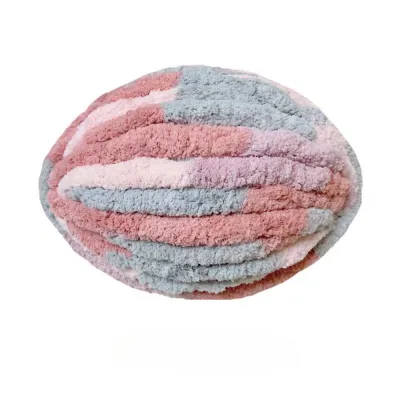
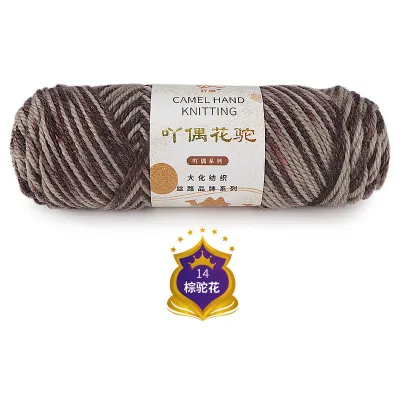
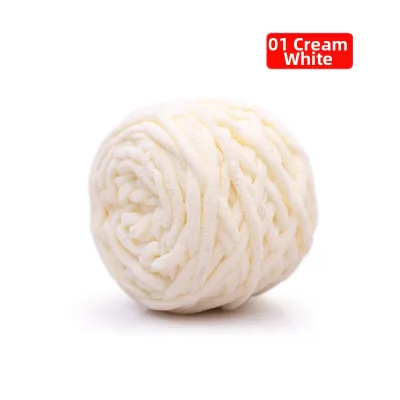
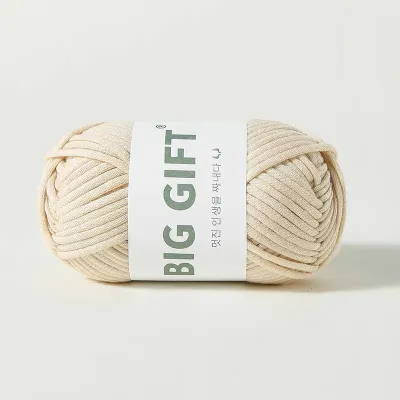
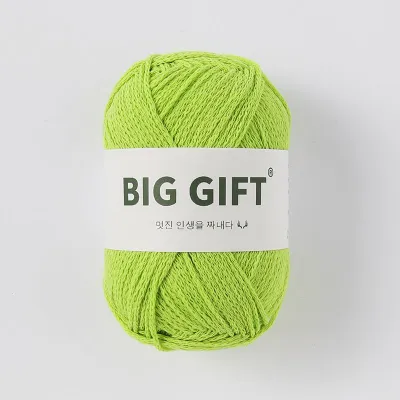
Prices are valid at publication and may change. Please refer to the product page for the latest price.
To identify these weights, look closely at the paper band wrapped around the yarn skein. Manufacturers print a small icon resembling a ball of yarn with a number superimposed on it. Next to this symbol, you will typically find text descriptors such as “Chunky,” “Bulky,” “Super Bulky,” or “Jumbo,” which tell you exactly where the yarn sits on the thickness spectrum.
Chunky, Bulky, and Jumbo: How to Tell Them Apart
Distinguishing between the three main tiers of thick yarn is essential for matching your yarn to the right project and achieving the desired drape.

Chunky yarn, classified as Category 5, is a highly versatile option for crafters looking for speed without excessive bulk. It is thick enough to show off intricate stitch patterns like cables, yet light enough to drape comfortably. This weight is ideal for quick-knit winter accessories, structured cardigans, and cozy throw blankets that do not feel overly heavy.
Bulky and Super Bulky yarns, which fall under Category 6, offer a dramatic step up in thickness. These yarns work up incredibly fast, making them a favorite for last-minute gifts like thick cowls, plush hats, and heavy outerwear. Because the strands are so thick, they create a dense, insulating fabric that excels at trapping warmth.
Jumbo yarn, representing Category 7, is the thickest option available on the market. This category is specifically designed for ultra-thick home decor items, such as giant statement rugs, pet beds, and massive hand-woven blankets. Jumbo yarn is also the primary choice for arm knitting, where you use your forearms instead of traditional needles to loop the stitches.
While these categories provide a helpful framework, naming conventions can vary significantly between international brands and regional distributors. A yarn labeled “bulky” by one manufacturer might feel closer to “chunky” from another. Always verify the physical strand thickness or check the recommended gauge on the label before committing to a purchase.
Matching Thick Yarn to Your Needles, Hooks, and Patterns
Working with thick yarn requires tools that match its scale, as using the wrong size can ruin the texture of your work.
Every commercial yarn band lists a recommended range for knitting needle and crochet hook sizes, usually expressed in millimeters. For chunky yarn, you might see recommendations for 6.0 mm to 8.0 mm tools, while jumbo yarns often require tools measuring 15.0 mm or larger. Using these suggested sizes ensures that your stitches have enough room to breathe without becoming loose or sloppy.
Before starting any major project, it is highly recommended to create a test swatch, also known as checking your gauge. By knitting or crocheting a small square with your chosen yarn and tools, you can measure how many stitches fit into a ten-centimeter window. This step is crucial because individual tension varies, and a swatch lets you verify if the finished fabric will have the right drape and dimensions.
If you decide to substitute one “big size” yarn for another, keep in mind that even minor differences in thickness will alter your project. Substituting a Category 6 yarn for a Category 5 yarn will result in a much larger finished piece and will consume more yardage than the pattern specifies. Always compare the total meterage listed on the labels rather than relying solely on the weight in grams to ensure you purchase enough material.
Frequently Asked Questions (FAQ)
Can I use a smaller needle or hook with chunky or bulky yarn?
Yes, you can use smaller tools, but doing so will dramatically alter the characteristics of your fabric. Smaller needles or hooks compress the thick fibers, creating a stiff, dense, and heavy structure with very little drape. While this stiffness is highly desirable for structural items like baskets, bags, or amigurumi toys, it is generally unsuitable for garments or blankets where flexibility and softness are key.
How do I calculate yardage when substituting a different 'big size' yarn?
To calculate the required yardage, look at the total length (in meters or yards) provided on the original pattern’s recommended yarn. Divide this total length by the meterage of a single ball of your substitute yarn to determine how many skeins you need to buy. Always round up to the nearest whole ball, as thick yarns consume length rapidly, and running out mid-row can leave highly visible joins in your work.

Community discussion
Share your experience or ask a question. Comments are reviewed before publication.