
Choosing the right electric paper shredder depends entirely on the sensitivity of the information you handle daily. If you are primarily disposing of non-sensitive bulk waste, utility bills with no personal identifiers, or general office drafts, a strip-cut shredder offers a fast and straightforward solution. However, if your documents contain personal financial details, client records, or proprietary business data, a cross-cut shredder is necessary to prevent unauthorized reconstruction.
The fundamental difference lies in how each mechanism cuts the paper. A strip-cut electric paper shredder uses single, parallel blades to slice a sheet of paper vertically into long, continuous ribbons. A cross-cut model uses two sets of counter-rotating blades that cut both vertically and horizontally, transforming a single sheet into hundreds of tiny, confetti-like particles.
These physical differences directly correspond to international security standards, specifically the DIN 66399 standard, which categorizes shredders from P-1 to P-7. Strip-cut shredders typically fall into the lower P-1 to P-2 categories, producing strips that are relatively easy to piece back together. Cross-cut shredders generally achieve P-3 or P-4 ratings, offering a significantly higher level of security by reducing documents to small, unreadable fragments. When shopping, always check the product label or manufacturer specifications to verify the exact P-level rating.
Products mentioned in this guide
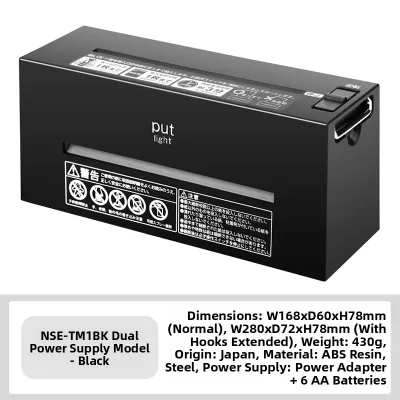
![[SG] A4 Multi-Functional Electric Paper Shredder with Built-in Basket](https://img.lazcdn.com/g/p/e13a5b4a0cd7800074c9a408a1f0b8e7.jpg_400x400q80.jpg_.webp)
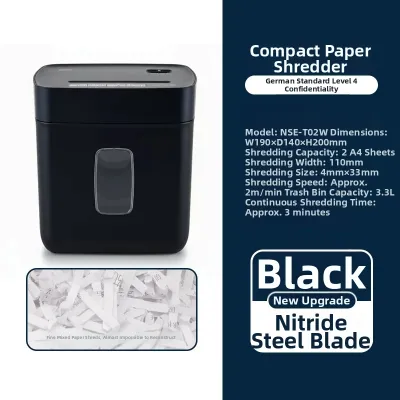
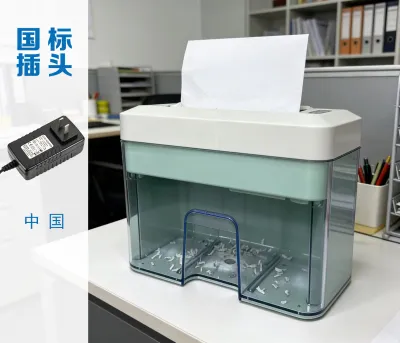
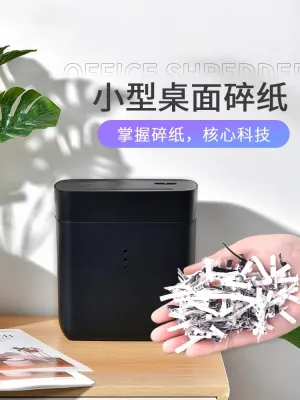
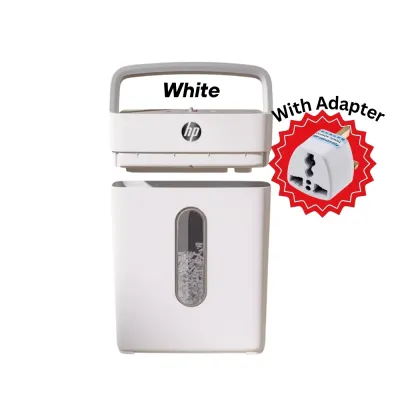
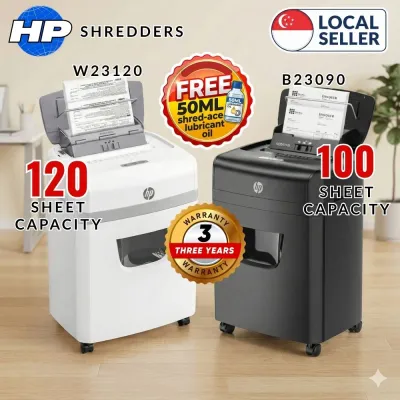
Prices are valid at publication and may change. Please refer to the product page for the latest price.
Cross-Cut vs Strip-Cut: Comparing Security and Performance
When evaluating security effectiveness, the reconstructability of the shredded material is the primary concern. Strip-cut ribbons can be reassembled with relative ease, especially if the document was shredded parallel to the lines of text. In contrast, cross-cut particles interlock and scramble the text in multiple directions, making manual or digital reconstruction highly impractical for standard personal or business purposes.
However, this security trade-off directly impacts operating speed and sheet capacity. Because strip-cut blades only cut in one direction, they encounter less resistance and can process more sheets of paper simultaneously. If you need to clear out archives of non-sensitive files quickly, a strip-cut machine often handles larger stacks per pass without straining the motor.
Cross-cut machines require more mechanical force to drive the dual-action blades through the paper. This extra work means they typically have lower sheet capacities per pass compared to strip-cut models of a similar motor size. The continuous cutting action also generates more friction, which can lead to shorter run times before the motor requires a cool-down period.
Another operational factor is bin management and paper dust. Strip-cut ribbons do not compress well, filling up the waste bin quickly with loose, springy coils that require frequent emptying. Cross-cut particles, being much smaller, settle flatly and pack densely into the bin, allowing you to shred more documents before needing to empty the container.
The dense cutting action of cross-cut blades does, however, produce more paper dust. In humid environments like Singapore, this fine dust can mix with ambient moisture and blade lubricants, potentially building up in the cutting head or blocking optical sensors. Regular maintenance is essential to prevent this buildup from causing paper jams or sensor malfunctions.
Matching Security Levels to Your Document Types
To determine which electric paper shredder fits your workflow, categorize the documents you handle by their level of sensitivity. Low-security needs are well served by a strip-cut model. This includes junk mail, shipping labels with non-sensitive details, expired transit tickets, and general office brainstorming drafts that contain no proprietary information.

For medium-to-high security needs, a cross-cut shredder is the standard recommendation. This category covers documents containing personally identifiable information or sensitive financial data. Bank statements, tax returns, medical records, utility bills with account numbers, and credit card offers should always go through a cross-cut machine to protect against identity theft.
In a business or home-office setting, cross-cut shredding is often a compliance necessity. Client lists, payroll details, legal contracts, and strategic plans must be destroyed in a way that prevents recovery. Using a cross-cut machine ensures your business adheres to basic data protection principles and local privacy regulations.
For highly classified materials, such as government documents or high-level corporate secrets, standard cross-cut shredders may not suffice. In these cases, you should consider a micro-cut shredder (which produces even smaller P-5 to P-7 particles) or hire a professional document destruction service. These services provide certified destruction paths and specialized industrial equipment to guarantee complete data elimination.
Practical Buying Checks: Bin Size, Run Time, and Safety
Before purchasing an electric paper shredder, compile a checklist of physical and operational specifications to ensure the machine matches your environment. Start with the bin capacity. A larger bin reduces the frequency of trips to the recycling bin, but it also increases the physical footprint of the machine, which is an important consideration for compact home offices or HDB study rooms in Singapore.
Next, verify the continuous run time and the required cool-down period. Every electric paper shredder has a duty cycle—the amount of time it can run continuously before the motor overheats. Entry-level home models may only run for 2 to 5 minutes before needing a 20-minute cool-down, whereas heavy-duty office models can run continuously for 30 minutes or more. Match this spec to your typical shredding volume to avoid frustrating interruptions.
Safety features are critical, especially in environments with children or pets. Look for shredders equipped with active safety sensors that automatically stop the blades if hands or objects get too close to the paper entry slot. Mechanical safety locks that disable the power when the shredder head is removed from the bin are also essential for safe maintenance and emptying.
Additionally, check for built-in thermal overload protection. This feature automatically shuts down the motor if it begins to overheat, protecting the internal components from permanent damage. Some models also feature auto-reverse mechanisms that detect when a paper jam is imminent and automatically reverse the blades to clear the path, reducing manual intervention and blade wear.
Decision Framework: Which Shredder Should You Buy?
To finalize your decision, weigh your primary operational priorities against your security obligations. If your main goal is to quickly dispose of large volumes of non-sensitive paper, and you prefer a machine that requires minimal maintenance and handles high sheet capacities per pass, a strip-cut electric paper shredder is the most efficient choice.
If your priority is protecting personal identity, safeguarding financial records, or maintaining business confidentiality, a cross-cut electric paper shredder is the necessary standard. The dense, unreadable particles provide greater peace of mind and ensure compliance with modern data privacy expectations, even if it means slightly slower processing speeds and more frequent blade maintenance.
Before making a final purchase, always verify if your specific industry, corporate policy, or local legal framework mandates a precise particle size or DIN security level. Aligning your choice with these compliance standards first will prevent the need for costly equipment upgrades later.
Frequently Asked Questions (FAQ)
Can I shred credit cards and staples in a cross-cut shredder?
Many modern cross-cut shredders are designed to handle small metal staples and plastic credit cards, but you must verify this in the manufacturer’s user manual before attempting it. Some models have dedicated slots for plastic cards and CDs to keep plastic fragments separate from paper waste. Shredding heavy staples, paperclips, or thick plastic in a machine not rated for them can dull the blades, strain the motor, and void your warranty.
Does a cross-cut shredder require more maintenance than a strip-cut model?
Yes, cross-cut shredders generally require more frequent maintenance than strip-cut models due to the complexity of their dual-action blades and the increased volume of paper dust they produce. To maintain smooth operation and prevent jams, you should regularly oil the blades using manufacturer-approved shredder oil or lubricant sheets, typically every time you empty the waste bin or after intensive shredding sessions. Neglecting lubrication can lead to friction buildup, increased motor noise, and a shorter product lifespan.

Community discussion
Share your experience or ask a question. Comments are reviewed before publication.